
Planting
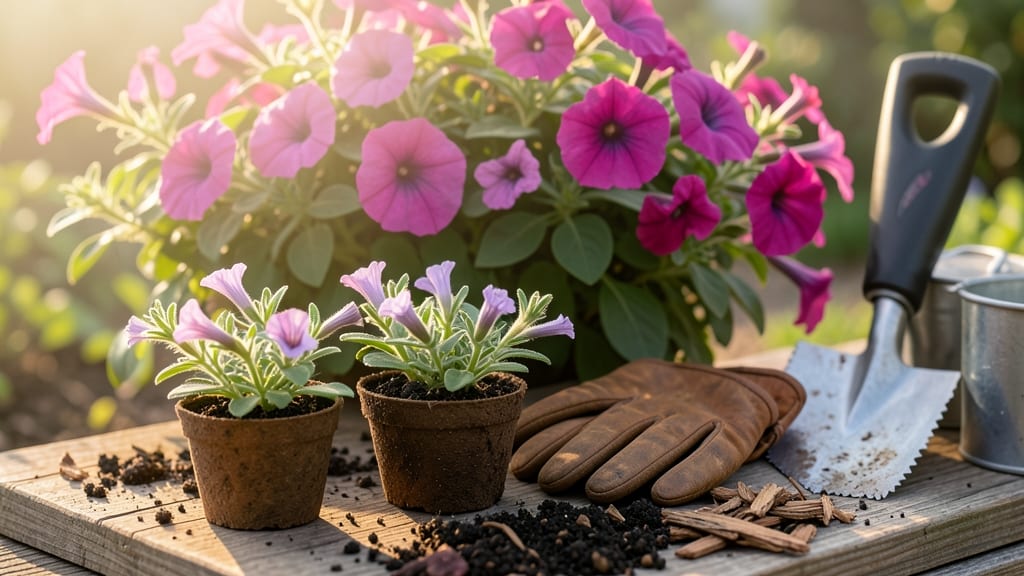
Planting petunias at the best time ensures vibrant blooms all season, and the window is narrower than you think—especially for heat-tolerant varieties.
Picture this: you’ve waited months for those 🌸 petunias to burst into color, only to watch them wilt under the summer sun because you planted them too early.
The key is timing soil warmth with your last frost date—usually late April to early May in most regions, but it varies by zone.
In USDA Zone 6a, where I garden, waiting until mid-May guarantees the soil stays warm enough to support root growth without shocking the plants. Too soon, and frost lurks; too late, and the heat arrives before they establish.
The difference between a thriving display and a sad, leggy mess? A few weeks of patience.
Below, I’ll break down the exact planting window for your zone, plus pro tips for staggered planting to extend blooms and keep your garden looking its best from June through October.

Optimal planting timeline for heat-tolerant petunias by climate zone
Heat-tolerant petunias thrive when planted at the right moment—too early and frost zaps their energy, too late and summer heat stresses them before blooming. The key is timing soil temperatures and frost risks by USDA zone. I’ll break down exact windows for Zones 3-11, including strategies for staggered planting to extend your bloom season.
Petunias need soil temperatures above 50°F (10°C) to germinate and grow. In colder zones, this means waiting for late spring, while warmer zones can plant earlier. For continuous blooms, many gardeners use a two-stage approach: early planting for spring color and late planting for summer-fall displays.
🌱
In Zones 3-4, where frosts linger until May, I recommend waiting until late May to plant. Use black plastic mulch to warm soil faster and protect young plants. For Zones 5-6, aim for mid-May when nighttime temps stay above 50°F (10°C).
These zones benefit from two plantings: one in late May for June blooms and another in early July for late-summer color.
Gardeners in Zones 7-8 can start as early as early April, but watch for late frosts. I’ve found that heat-tolerant varieties like 'Supertunia' handle April planting better than traditional petunias.
For Zones 9-10, plant in February or March to beat summer’s peak heat. In these warmer areas, shade cloth (30%) during midday helps prevent leaf scorch.
Zone 11 is unique—petunias thrive year-round if planted correctly. I suggest monthly plantings to ensure blooms during both cool and warm seasons. Use drip irrigation to maintain consistent moisture, as tropical humidity can stress plants without proper water management.
For all zones, soil temperature is more critical than calendar dates. Use a soil thermometer to confirm 50°F (10°C) minimum. If planting early, cover seedlings with frost cloth at night until temps stabilize above 55°F (13°C). This extra protection gives your petunias a head start without risking frost damage.
🌿
Pro tip: Heat-tolerant petunias planted in late summer (August) often bloom until first frost. In Zones 5-8, this means September plantings can extend your garden’s color palette into October. Just ensure your chosen variety—like 'Wave' or 'Easy Wave'—is labeled for heat and humidity resistance.
Finally, remember that container gardening gives you more flexibility. Pots warm up faster than garden beds, so you can plant 2-4 weeks earlier in Zones 3-6. Just use well-draining mix with added perlite to prevent root rot in hot containers.
☀️
How to extend petunia blooms by adjusting planting time
Petunias thrive when planted at the right time, but many gardeners miss the optimal window for continuous blooms. By adjusting your planting schedule, you can create a succession of flowers instead of a single burst.
The key lies in staggered plantings and heat-wave strategies that keep your petunias blooming until frost.
Heat-tolerant varieties like Supertunia or Wave petunias can handle summer heat, but they need the right timing to avoid early dormancy. Planting too early exposes them to cool soil temperatures, while planting too late risks heat stress before they establish roots.
The solution? A phased approach that extends the blooming season.
- First Planting: Start 4-6 weeks before your last frost date (e.g., mid-April in Zone 6). Use heat-tolerant varieties for early blooms.
- Second Planting: Repeat 2-3 weeks later (e.g., early May) to bridge gaps in blooming as the first batch fades.
- Third Planting: For late-summer blooms, plant a final batch in June using heat-resistant varieties like 'Easy Wave.'
- Heat-Wave Tip: Mulch heavily to retain moisture and shade young plants during 90°F+ days to prevent wilting.
- Post-Bloom Care: Deadhead spent flowers weekly and fertilize with low-nitrogen feed (e.g., 5-10-10) every 4-6 weeks.
Staggered plantings create a continuous bloom cycle. For example, if your first batch blooms in June, the second planting will peak in July, and the third in August.
This ensures your garden stays vibrant until fall frost. Choose compact varieties for containers to maximize space and airflow.
During heat waves, petunias need extra care. Water deeply in the early morning to avoid fungal diseases and reduce leaf scorch. Use drip irrigation or soaker hoses to keep roots cool. If temperatures exceed 95°F, provide light shade cloth (30-50%) to protect delicate blooms.
After the first flush of blooms, don’t let your petunias rest. Prune leggy stems by 1/3 to encourage bushier growth and more flowers. Remove yellowing leaves to improve airflow and reduce pests. With these adjustments, your petunias will reward you with colorful displays until the first frost.
Extend the season further by overwintering heat-tolerant varieties in containers. Move pots to a sheltered spot and reduce watering. In spring, repot and fertilize lightly to jumpstart new growth. With these techniques, you’ll enjoy petunia blooms for months longer than traditional planting methods.