
Planting
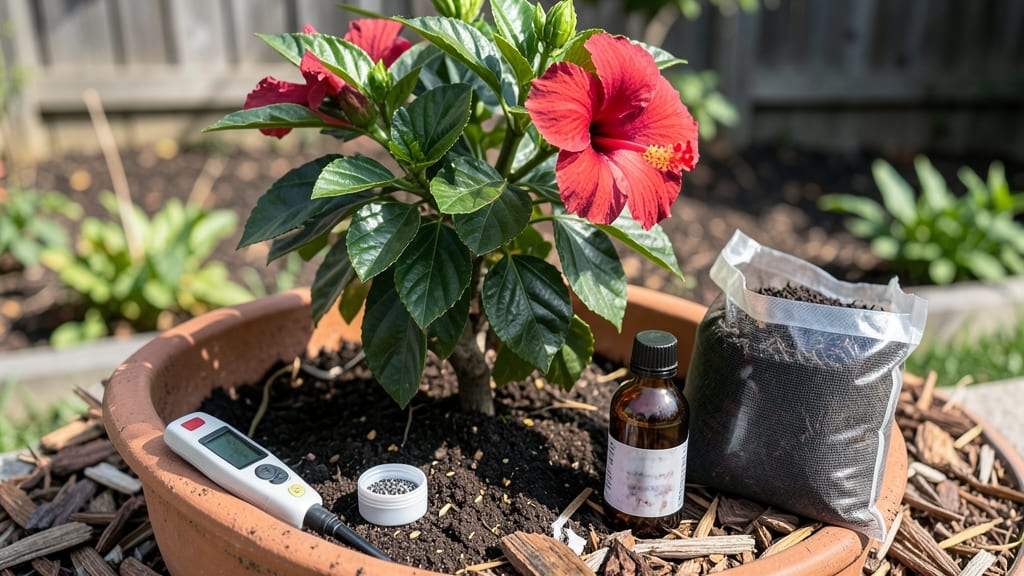
Yes, hibiscus is an acid-loving plant that thrives best in slightly acidic to neutral soil, ideally with a pH range between 6.0 and 6.5. While it tolerates slightly acidic conditions, overly acidic or alkaline soil can stunt growth and reduce flowering.
Hibiscus plants actually prefer a soil environment that's gently acidic, which helps them absorb essential nutrients like iron and manganese more efficiently. 🌿 The right pH balance also encourages vibrant blooms, as the plant's metabolic processes work optimally in this range.
Many gardeners compare hibiscus to other acid-loving favorites like azaleas and gardenias, though hibiscus is slightly more adaptable to neutral conditions when properly cared for. The key is avoiding extremes—soil that's too acidic or alkaline stresses the plant, leading to yellowing leaves or sparse flowering.
For container-grown hibiscus, you can easily adjust the soil mix by incorporating peat moss or pine bark fines, which naturally lower pH. In-ground plants may need amendments like sulfur for overly alkaline soil or compost to improve organic matter content.
Testing your soil's pH before planting gives you a clear starting point for creating the perfect growing conditions.
💡 In This Article
- Optimal Soil pH for Hibiscus Growth and Flowering
- Adjusting Soil pH for Hibiscus: Step-by-Step Guide
Optimal soil pH for hibiscus growth and flowering
The ideal soil pH for hibiscus sits between 6.0 and 6.5, creating a gently acidic environment that maximizes nutrient availability.
At this range, the plant's roots can efficiently absorb critical micronutrients like iron and manganese—elements that become locked away in alkaline soils. 🌱 For comparison, azaleas (which thrive at pH 4.5-5.5) require much more acidic soil, while hibiscus demonstrates greater adaptability to slightly higher pH levels.
This flexibility makes hibiscus more forgiving than some other acid-loving plants.
When soil pH drops below 5.5, aluminum and manganese toxicity becomes a risk, causing brown leaf edges and stunted growth. Conversely, pH levels above 7.0 reduce availability of phosphorus and iron, leading to yellowing leaves (chlorosis) and poor flowering.
The plant's metabolic processes—particularly those involved in photosynthesis and flower production—are finely tuned to function optimally within this 6.0-6.5 window.
The connection between pH and flowering is particularly fascinating.
Hibiscus plants trigger their flowering cycle through a complex interplay of light exposure and nutrient uptake, both of which are pH-dependent. 💐 In ideal conditions, the plant's roots can access sufficient phosphorus (essential for energy transfer) and calcium (critical for cell wall formation), resulting in larger, more vibrant blooms.
This is why gardeners often notice sparse flowering when soil conditions drift outside the optimal range.
Root health also plays a crucial role. At the correct pH, beneficial soil microbes thrive around hibiscus roots, forming symbiotic relationships that enhance nutrient absorption. These microbes help break down organic matter into forms the plant can use, creating a virtuous cycle of growth.
In contrast, extreme pH levels disrupt this microbial ecosystem, weakening the plant's overall vitality.
Consider this real-world example: In Florida's sandy soils (often naturally acidic), hibiscus plants frequently flourish without additional pH adjustments. However, in northern climates where soils tend to be more alkaline, gardeners must take proactive steps to maintain that 6.0-6.5 range.
The plant's ability to adapt to slightly different conditions makes it more versatile than many acid-lovers, but pushing the limits can lead to visible stress symptoms.
What most gardeners don't realize is how quickly pH imbalances develop. A single application of limestone to raise pH or sulfur to lower it can take 3-6 months to fully adjust the soil chemistry, meaning regular testing is essential.
The visual cues—like leaf discoloration or poor flowering—often appear after the damage has already been done to the root system. 🌿