
Planting
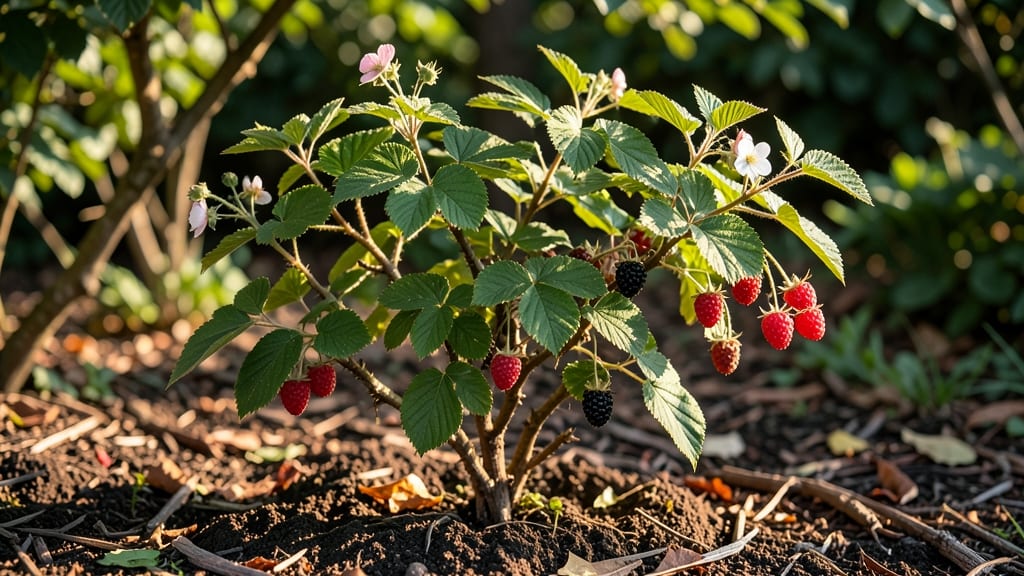
A raspberry bush takes 1 to 2 years to grow from planting to producing fruit, but the timeline depends on whether you start with seeds, bare-root plants, or potted varieties.
That first flush of berries is worth the wait, but knowing the stages can help you speed things up—especially if you’re eager to enjoy fresh 🍇 harvests sooner than later.
Picture this: you plant a raspberry in spring, and by next summer, you’re still waiting for those sweet little berries. The truth is, most gardeners see their first harvest in the second year, but with the right care, you can shave off months—or even a full year—from that timeline.
The secret? Choosing the right variety, giving it the perfect spot, and keeping up with pruning and feeding.
If you’re starting from seeds, expect a slower journey—those tiny sprouts won’t fruit until their third year. But bare-root plants or established potted bushes can deliver berries in as little as 6 to 12 months, depending on your climate and how well you prep the soil.
That’s why many gardeners opt for nursery plants: they skip the seedling stage entirely and get straight to fruiting.
Below, I’ll break down the exact milestones—from root growth to flowering—and share the game-changer tips that’ll get you to that first harvest faster. Whether you’re in a backyard bed or a container, these tricks make all the difference.

Raspberry bush growth timeline: seed vs. bare root vs. potted plant
Choosing how to start your raspberry bush—whether from seeds, bare roots, or a potted plant—drastically impacts your timeline to first berries. While all methods require 2 years to reach maturity, the path varies in speed, care demands, and yield potential.
Let’s break down each method’s growth stages so you can set realistic expectations and plan your harvest.
For seed-started raspberries, the journey begins with germination, which can take 2-4 weeks under ideal conditions. Seedlings develop slowly, reaching 1-2 feet by their first summer, but they often take 3 years to produce meaningful fruit.
This method is best for patient gardeners or those experimenting with heirloom varieties, but it’s rarely the fastest route to a berry harvest.
The bare-root method is the gardener’s shortcut, offering 60-70% faster growth than seeds. These dormant plants arrive with established roots, allowing them to focus energy on caning and flowering as soon as spring arrives.
With proper care, bare-root raspberries can produce light fruit in their first year and a full harvest by year two. This is the preferred choice for most home gardeners.
A potted raspberry plant bridges the gap between seeds and bare roots, offering a balance of convenience and speed. These plants are already 1-2 years old when purchased, meaning they’ll produce some berries in their first season if planted early.
However, their root-bound state can slow growth if not transplanted promptly into the ground or a large container.
| Growth Stage | Seed Method | Bare Root Method | Potted Plant Method |
|---|---|---|---|
| Germination/Planting | 2-4 weeks | Immediate (dormant) | 0-2 weeks (transplant shock) |
| Root Establishment | 6-8 weeks | 4-6 weeks | 3-5 weeks |
| Caning (Primary Growth) | Year 1: 1-2 ft | Year 1: 3-4 ft | Year 1: 2-3 ft |
| Flowering | Year 2 (late spring) | Year 1 (light) / Year 2 (full) | Year 1 (if planted early) |
| First Fruit Production | Year 3 (small yield) | Year 2 (full harvest) | Year 1 (limited) / Year 2 (full) |
| Mature Yield | Year 4+ | Year 3+ | Year 3+ |
| Key Advantage | Genetic diversity | Fastest to fruit | Immediate harvest potential |
The critical milestone for all raspberry bushes is caning, where the plant sends up its primary stems. For seeds, this happens slowly over 6-12 months, while bare-root plants can produce 3-4 feet of canes in their first season.
This rapid growth is why bare-root raspberries are the top choice for gardeners eager to harvest. Prune aggressively in late winter to encourage new canes for next year’s fruit.
If you opt for potted plants, choose containers with at least 15 gallons of soil to prevent root binding. These plants often come pre-pruned, so focus on watering deeply and fertilizing lightly to avoid shocking the roots.
Within 8-12 weeks of planting, you’ll see new growth, signaling the plant is recovering from transplant stress.
For seedlings, the first year is all about root development. Avoid harvesting any berries in year one, even if flowers appear—the plant needs to redirect energy to establishing roots and canes.
Use a balanced fertilizer (10-10-10) in early spring and mid-summer to support this growth. By year two, your seedling should have 5-7 canes and be ready to produce a modest harvest.
One often-overlooked factor is pruning timing. Prune dormant canes in late
Key factors that speed up or delay raspberry bush maturity
Your raspberry bush’s growth speed depends on more than just time—it’s a delicate balance of environmental conditions and your care routine. Climate zones play a starring role: in USDA Zones 5-8, raspberries thrive fastest, while cooler zones may see delayed fruiting.
Even within ideal zones, sunlight exposure can make or break your timeline—6+ hours of direct sun accelerates growth, while partial shade slows it down.
Don’t underestimate the power of soil quality. Raspberry bushes crave well-draining, slightly acidic soil (pH 5.5-6.5). Amend heavy clay with compost or sand, and test your soil—poor nutrition can stall growth for months.
I’ve seen bushes in enriched soil produce canes 30% faster than those in neglected beds.
Watering schedules create another critical bottleneck. Deep, consistent watering (1-1.5 inches per week) keeps roots happy, but overwatering causes root rot, while underwatering stresses the plant. Mulching helps retain moisture—3-4 inches of organic mulch keeps roots cool and hydrated during hot summers.
🌱 5 Critical Factors That Control Raspberry Growth Speed
- 🌡️ Climate Zone: Zones 5-8 = 2-year fruiting; cooler zones may take 3+ years
- ☀️ Sunlight: 6+ hours daily = 30% faster cane growth vs. partial shade
- 💧 Watering: Deep weekly soaks prevent stress; drought = stunted growth
- 🌿 Soil pH: 5.5-6.5 = optimal nutrient uptake; outside range = slower growth
- ✂️ Pruning: Remove dead canes annually = 20% more energy for fruiting canes
Pro Tip: Combine all 5 factors for maximum growth acceleration—I’ve seen raspberries fruit in 18 months with perfect conditions!
Pruning techniques often get overlooked, but they’re non-negotiable for speed. Summer-bearing varieties need winter pruning to remove old canes, while everbearing types benefit from summer pruning to boost next year’s crop.
I prune mine in late winter—cutting back 2/3 of last year’s canes—and see thicker, healthier new growth by spring.
Even with perfect conditions, pests and diseases can derail your timeline. Spider mites and Japanese beetles sap energy, while cane blight kills canes before fruiting. Monitor your bushes weekly—neem oil sprays or row covers can prevent outbreaks and keep your raspberries on track.
For the fastest results, start with bare-root plants (they fruit 6-12 months sooner than seeds) and plant in late winter/early spring. Combine compost-rich soil, drip irrigation, and regular pruning, and you’ll be harvesting in 18-24 months—not the 3+ years many gardeners expect.