
Planting
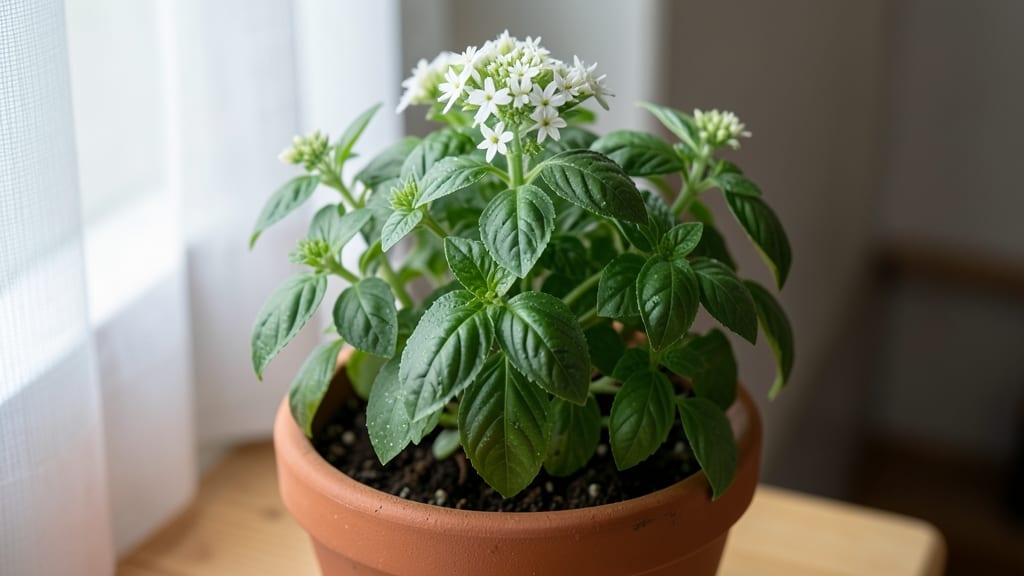
That first whiff of fragrant leaves turns bitter when the basil plant flowering seeds sprout into tiny white blooms. 🌱 I learned the hard way—my first homegrown basil bolted before I could use half the harvest.
The secret to nonstop leafy abundance is pinching those flowers before they form, a trick that keeps your plants producing tender, flavorful leaves for months.
Start with seeds in warm soil (70°F+) and keep them moist but never soggy—they germinate in 7-14 days if happy. Once seedlings have 2-3 true leaves, transplant them into pots with at least 6 inches of depth (basil gets leggy fast).
Place them where they’ll get 6+ hours of sunlight daily, and water at the soil level to avoid fungal issues. The key? Prune aggressively—snip the top sets of leaves when you see flower buds forming, and your plant will reward you with bushier, leafier growth.
With this method, you’ll harvest pounds of basil all season long—enough for pesto, salads, and more. The plants stay compact, resist bolting, and keep producing until frost.
Even if you’ve killed basil before, this foolproof approach works for beginners and veterans alike. The only real mistake? Waiting too long to prune those flowers.
Works for both container gardens and in-ground planting, and the same principles apply whether you’re growing sweet basil, Thai basil, or purple basil. Once you master this, you’ll never buy basil from the store again—and your neighbors might start asking for cuttings.
📚 In This Guide
- What you need
- Instructions
- Tips and common mistakes
- Wrapping up and next steps
What you need
- ● Basil seeds: 5–10 seeds (organic, non-GMO preferred for best results).
- ● Seed-starting mix: 2–3 cups of sterile, well-draining potting soil (avoid garden soil—it can harbor pests!).
- ● Containers: 2–3 small pots (4–6 inches in diameter) for seedlings, or
- ● 1 larger container (10+ inches wide) for direct sowing.
- ● Watering can or spray bottle: With a fine mist setting for gentle hydration.
- ○ Plant labels: Optional but helpful for tracking varieties (e.g., Genovese, Thai, or Purple basil).
- ● Pruning shears or clean scissors: Sharp and sterilized (rubbing alcohol works!).
- ● Sunlight access: A south-facing windowsill or a grow light (12–16 hours/day for seedlings).
- ● Fertilizer: Balanced liquid fertilizer (e.g., 10-10-10) or compost tea (diluted).
- ○ Heat mat (optional): For faster germination if temperatures dip below 60°F (15°C).
- ● Humidity dome or plastic wrap: To retain moisture during germination.
How to prevent basil flowering and promote leaf growth
Here's how I keep my basil thriving with lush leaves instead of flowers.
🌱 Step 1: Start with Healthy Seedlings
Begin with strong basil seedlings from seeds or nursery plants. I always check for dark green leaves and thick stems—these are signs of vigorous growth. If you're starting from seed, plant them ¼ inch deep in well-draining soil and keep them in a warm spot with bright light.
Seedlings need 14-16 hours of light daily to stay compact. If they stretch toward the light or develop pale leaves, move them closer to the light source or add a grow light. Weak seedlings are more likely to bolt (flower) early, so give them the best start possible.
✂️ Step 2: Pinch Off Flowers as Soon as They Appear
Basil flowers signal the plant to shift energy from leaf production to seed-making. The moment you see tiny buds forming, pinch them off with your fingers or a clean pair of scissors. I always check my plants every 3-4 days—early intervention keeps the plant focused on growing leaves.
Don’t wait until flowers open. Once they bloom, the plant’s energy is already redirected, and you’ll notice leaves turning bitter. Pinching early also encourages bushier growth as the plant sends out new side shoots where you removed the flowers.
☀️ Step 3: Provide Consistent Light and Water
Basil needs 6-8 hours of direct sunlight daily to thrive. If you’re growing indoors, place it near a south-facing window or under a grow light. I keep my basil 4-6 inches away from the light source to avoid burning the leaves. Too little light causes leggy growth, while too much can stress the plant and trigger flowering.
Water when the top inch of soil feels dry. Overwatering can lead to root rot, while underwatering causes stress that may prompt early flowering. Use room-temperature water to avoid shocking the roots, and always water at the base to keep leaves dry.
🌿 Step 4: Prune for Bushier Growth
Regular pruning encourages basil to grow fuller and leafier. When the plant reaches 6 inches tall, pinch off the top set of leaves just above a pair of leaves. This stimulates the plant to branch out, creating more harvestable foliage. I repeat this every 4-6 weeks to maintain a compact shape.
Harvest leaves from the top and sides of the plant, but avoid cutting into the main stem. This keeps the plant healthy and encourages new growth. If you notice stems growing too long or sparse, trim them back to promote denser foliage.
⏰ Step 5: Monitor Temperature and Fertilize Lightly
Basil prefers temperatures between 60-75°F. If nights drop below 55°F, the plant may slow down or even flower prematurely. Use a small grow tent or move potted basil indoors if temperatures dip. Too much heat or cold stress can trigger flowering, so keep conditions stable.
Feed your basil with a balanced liquid fertilizer every 4-6 weeks during the growing season. I use half-strength fertilizer to avoid burning the roots. Over-fertilizing can lead to excessive leaf growth at the expense of flavor, so moderation is key.
Tips & tricks for preventing basil flowering
Took me years of trial and error to figure out these tricks—now my basil stays leafy and productive all season long.
Lighting Strategy: The 14-16 hours of light in Step 1 is non-negotiable for preventing flowering. If your basil starts stretching toward the light (a sign of legginess), it's already stressed and closer to bolting. I use a simple LED grow light on a timer to maintain consistency—no guesswork about daylight hours. Position it just 4-6 inches above the plants to mimic natural sunlight intensity without burning the leaves.
Pruning Precision: When you reach the 6-inch height in Step 4, don't just snip randomly—look for the pair of leaves just below the top growth. Pinch above that pair to encourage branching from those leaf nodes. I've found that making these cuts at a 45-degree angle helps water run off better, reducing the risk of disease in those new growth points.
Temperature Watch: The 60-75°F range in Step 5 is your sweet spot, but nighttime temperatures below 55°F are the real villain. I keep my potted basil on a heat mat during cool evenings, especially if I'm growing near drafty windows. Even a single chilly night can trigger flowering, so don't skip this protection during shoulder seasons.
Pro Tips for Basil Plant Flowering Seeds
- Took me years of trial and error to figure out these tricks—now my basil stays leafy and productive all season long.
- Lighting Strategy: The 14-16 hours of light in Step 1 is non-negotiable for preventing flowering. If your basil start...
- Pruning Precision: When you reach the 6-inch height in Step 4, don't just snip randomly—look for the pair of leaves j...
Frequently asked questions
Got questions about basil flowering and seeds?
You’re not alone! Here are answers to the most common concerns—from pruning tips to troubleshooting—so you can keep your basil thriving and leafy all season long.
Why does my basil plant flower, and is it bad?
Basil flowers as a natural part of its lifecycle, but yes, it’s a sign your plant is maturing—and that’s not ideal for leaf production. When basil flowers, it shifts energy from growing lush leaves to producing seeds, often making the leaves bitter. Prune flowers immediately to redirect energy back to your harvest!
How do I prevent basil from flowering?
Prevent flowering by pruning regularly (every 2–3 weeks) and keeping your plant happy with 6+ hours of sunlight, well-draining soil, and consistent watering. Avoid overcrowding—thin seedlings early to give each plant room to grow. Pro tip: Pinch off flower buds as soon as they appear to keep your basil leafy and productive!
Can I save basil seeds from flowering plants?
If you want to save seeds, let one or two flowers mature fully (they’ll turn brown and dry). Harvest the seeds inside the dried flower pods, then store them in a cool, dry place. However, seed-saved basil may not be true to the parent plant—especially if it’s a hybrid variety like Genovese.
What should I do if my basil flowers and the leaves turn bitter?
Bitter leaves are a classic sign of flowering. Don’t panic! Prune off the flowers and any bitter-tasting leaves to encourage new, tender growth. Boost care by ensuring your plant gets bright light (a south-facing window or grow lights work best) and fertilize lightly with a balanced, water-soluble fertilizer every 4–6 weeks.
Can I still use basil leaves if the plant has already flowered?
Yes, but with caution! Leaves near the flowers may taste bitter, but younger, lower leaves are usually fine. For the best flavor, harvest leaves before flowering starts. If your plant is heavily flowered, consider starting a new basil plant from seeds or cuttings—it’s often easier to revive a fresh, leafy specimen than to "reset" an over-flowered one.
Wrapping up and next steps
Growing basil from flowering seeds is totally doable—just remember to prune early and often to keep your plants lush and productive! With the right care, you’ll enjoy a year-round harvest of fragrant leaves for cooking, teas, or garnishes. 🌿
Ready to take the next step? Start with a few seeds, follow the tips above, and soon you’ll be reaping the rewards of your green thumb. Happy planting—and may your basil thrive! 🌱