
Planting
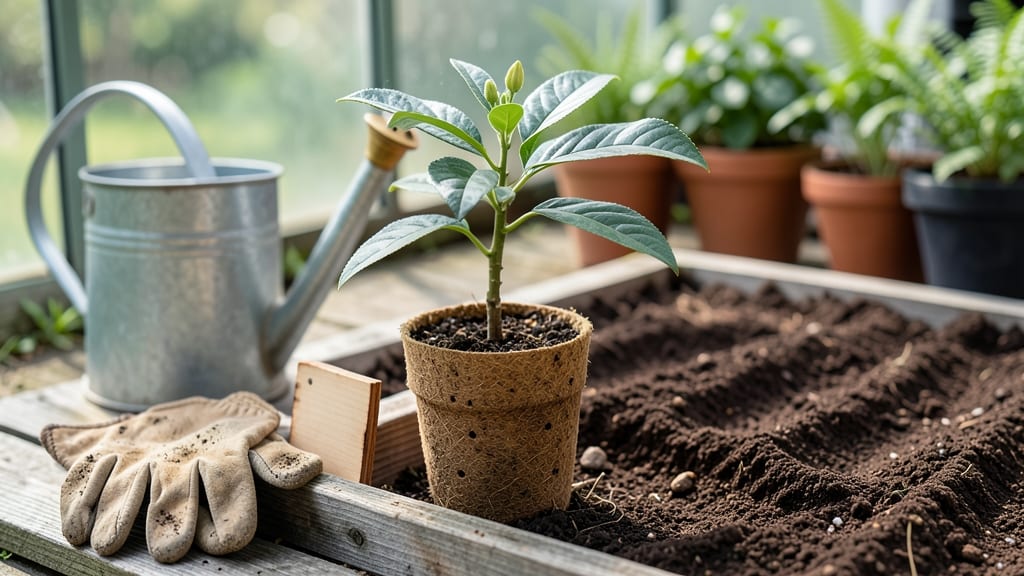
Putting your avocado plant in soil at the right time—when roots reach 3-6 inches and leaves are 2-3 inches wide—is the key to avoiding root rot or stunted growth.
Growing an avocado plant from a pit is exciting, but knowing exactly when to transition it from water to soil can make the difference between a thriving tree and a failed experiment.
Too early, and the delicate roots struggle in dense soil; too late, and the plant becomes root-bound in its water jar. In USDA Zone 6a, aim for March-April after the last frost, but indoor plants can go anytime if they meet the root-leaf milestones.
Below, I’ll walk you through the 3-step timeline to check root strength, prep the perfect soil mix, and transplant without shocking your young 🥑 tree.
Avocado germination timeline: key stages before planting in soil
Transitioning your avocado plant from water to soil is a critical step that determines whether your seedling thrives or struggles. Most avocado pits take 3 to 6 months to develop strong roots and leaves before they're ready for soil.
Understanding the key milestones ensures you don't rush the process or wait too long.
When you start, your avocado pit will simply sprout a single root, often within 2 to 4 weeks. This initial root is fragile and not ready for soil.
Patience is key—wait until you see multiple roots (at least 3) and roots that are 2 to 3 inches long before considering a transition.
Here’s the critical timeline to follow, including root length, leaf growth, and other signs your avocado plant is ready for soil:
| Stage | Root Development | Leaf Growth | Timeframe | Action |
|---|---|---|---|---|
| Sprouting | Single root, 1 inch | No leaves | 2-4 weeks | Keep in water, no action |
| Early Root Growth | Multiple roots, 2-3 inches | 1-2 small leaves | 4-8 weeks | Continue in water, monitor roots |
| Root Maturation | Roots 4-6 inches, dense network | 2-3 mature leaves | 8-12 weeks | Prepare for soil transition |
| Soil-Ready | Roots 6+ inches, thick and white | 3-4 leaves, 1 inch long | 12-24 weeks | Transplant to soil |
Once your avocado plant reaches the soil-ready stage, with roots 6 inches or longer and 3 to 4 healthy leaves, it’s time to transition. The roots should appear thick and white, not thin or brown, which indicates they’re strong enough to support growth in soil.
Before planting, inspect the roots for any signs of circling or tangling. If the roots are wrapping around each other, gently untangle them to prevent root-bound stress later. This step is often overlooked but critical for long-term health.
Choose a well-draining potting mix (like a cactus/succulent blend) and a container with drainage holes. Water the soil lightly before planting to help the roots settle in without shock. After transplanting, place your avocado plant in bright, indirect light for the first week to reduce stress.
Avoid transplanting during extreme temperatures—ideal conditions are 65-75°F. If you’re in a cooler climate, wait until spring or summer when the risk of frost has passed. In warmer climates, you can transition year-round as long as the plant isn’t exposed to cold drafts.
After planting, keep the soil consistently moist but not soggy. Overwatering can suffocate the roots, while underwatering causes stress. Mist the leaves occasionally to maintain humidity, especially if your home has dry air.
Within 2 to 4 weeks of transplanting, you should see new growth as a sign your avocado plant is adjusting well. If the leaves turn yellow or drop, it may indicate overwatering or poor drainage. Adjust your care routine accordingly to keep your plant thriving.
🌱
Soil preparation checklist: choosing the right mix for avocado seedlings
Transitioning your avocado seedling from water to soil is a critical step—your choice of soil mix can determine whether your plant thrives or struggles. Avocado seedlings need a well-draining, nutrient-rich blend that mimics their natural tropical habitat while preventing root rot.
The right mix should balance aeration, moisture retention, and organic matter to support steady growth. Let’s break down the essentials for creating the perfect soil environment.
Start by selecting a base mix designed for succulents or cacti, which naturally provides excellent drainage. These mixes typically combine sand, perlite, and peat moss in proportions that prevent waterlogging—critical for avocados, which despise soggy roots.
For extra nutrition, I recommend amending this base with 50% compost or worm castings to provide organic matter without compacting the soil. This hybrid approach ensures your seedling gets both the drainage it needs and the nutrients to grow strong.
Container size matters just as much as soil composition. For a young avocado seedling, I recommend starting with a 5-gallon pot or larger to accommodate root growth without overcrowding. The container should be at least 6-8 inches deep to support the seedling’s vertical growth while allowing roots to spread.
If you’re planting outdoors, choose a spot with well-draining soil—avocados hate sitting in waterlogged conditions. Amend garden soil with sand and compost in a 50/50 ratio to replicate the ideal mix you’d use in containers.
Before planting, inspect your seedling’s roots for signs of health. Look for white, fibrous roots at least 6 inches long—this indicates readiness for soil. If roots appear dark, mushy, or circling tightly, delay planting and let the seedling stay in water for another 2-4 weeks.
Once you’re confident, gently place the seedling in its new pot, burying the root ball up to the first set of leaves to encourage stability. Water thoroughly to settle the soil and eliminate air pockets.
After transplanting, place your avocado seedling in bright, indirect light for the first week to reduce stress. Gradually introduce it to full sun over 7-10 days, as sudden exposure can scorch tender leaves.
Monitor the soil moisture closely—avocados prefer the top inch of soil to dry out slightly between waterings, but never let it become bone-dry. Mulching with organic matter like straw or bark helps retain moisture and regulate soil temperature, creating an ideal microclimate for your young tree.
Remember, the key to success lies in balance. Too much organic matter can compact the soil, while too little drainage risks root rot. By following this checklist, you’ll give your avocado seedling the best possible start in its new home.
With the right soil mix and careful attention, your plant will grow into a robust tree capable of bearing fruit in just a few years.