
Planting
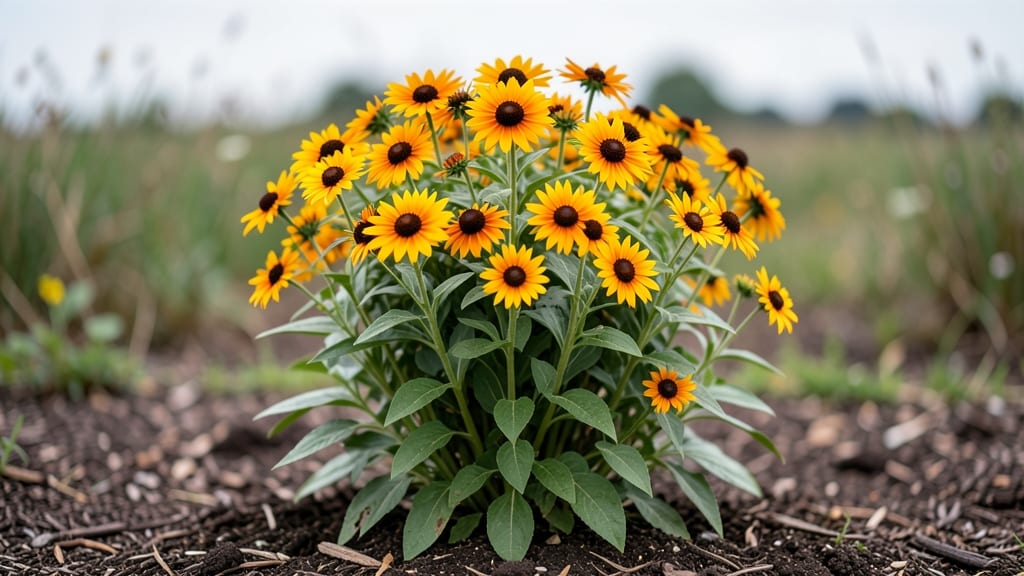
Transform any sunny spot into a golden-hued showstopper with the rudbeckia annual plant—these cheerful blooms thrive with minimal fuss, offering bold color from summer through fall without needing fancy tricks.
I’ve grown them for years, and the secret lies in matching their love of sun and well-drained soil with consistent care.
Start with a sunny location—at least 6 hours of direct sunlight daily—and prepare the soil by mixing in compost for better drainage. Annual rudbeckia tolerates poor soil but rewards rich, loamy conditions with longer stems and bigger blooms.
Plant seeds ¼ inch deep after the last frost, spacing them 12-18 inches apart for full, airy plants.
Water deeply once a week, letting the soil dry slightly between waterings to prevent root rot. Deadhead spent blooms to encourage more flowers, and watch as your garden fills with vibrant yellow and orange that hummingbirds adore.
With the right conditions, these plants grow 3-4 feet tall, creating a striking backdrop for perennials.
For best results, plant in early spring or late summer for fall blooms. Avoid over-fertilizing—rudbeckia thrives on neglect once established. If your summer heat is extreme, provide afternoon shade to keep foliage lush. These sun-lovers are the perfect addition for low-maintenance, high-impact gardens.
📚 In This Guide
- What you need
- Instructions
- Tips and common mistakes
- Wrapping up and next steps
What you need
- ● Rudbeckia seeds or transplants: Seeds: 1–2 packets (50–100 seeds per packet, depending on variety)
- ● OR 3–5 healthy transplants (check for sturdy stems and blooms)
- ● Well-draining potting mix or garden soil: 1–2 cubic yards (for in-ground planting) or 1–2 bags (for containers)
- ○ Containers (optional): 5–10-inch pots (1–2 plants per pot) or raised beds
- ● Compost or organic fertilizer: 1–2 cups (5–10% nitrogen blend, like 10-10-10)
- ● Mulch: 1–2 inches of straw or shredded bark (to retain moisture)
- ● Garden trowel or transplanting spade (for digging holes)
- ● Watering can or hose with a gentle spray nozzle
- ● Gloves (to protect your hands)
- ● Pruning shears (for deadheading or shaping)
- ● Sunny location: 6+ hours of direct sunlight daily
- ○ pH-tested soil (optional but helpful): Aim for 6.0–7.0 (slightly acidic to neutral)
- ○ 🌡️ Start seeds indoors (optional): 6–8 weeks before the last frost if your climate is cool.
- ● ✨ Direct sowing outdoors: Plant seeds ¼ inch deep, 12–18 inches apart.
- ● 🎯 Container growing? Use lightweight mix with perlite for drainage!
Step-by-step guide to growing annual rudbeckia from seed
Here’s how to cultivate vibrant rudbeckia blooms that bring bold color to your garden beds every season.
🌱 Step 1: Start Seeds Indoors for Early Blooms
Begin sowing rudbeckia seeds indoors 6-8 weeks before your last frost date—this gives them a strong start before transplanting. Fill small seed trays with sterile seed-starting mix and moisten it until evenly damp. Press seeds ¼ inch deep into the soil, spacing them ½ inch apart to avoid overcrowding.
Cover the trays with plastic wrap or a humidity dome to retain moisture and warmth, which speeds germination. Place them in a warm spot (70-75°F) until sprouts appear in 7-14 days. Once seedlings emerge, remove the cover immediately to prevent fungal issues. You’ll notice tiny green leaves unfurling within a week—that’s your cue to move them under grow lights for 14-16 hours daily.
☀️ Step 2: Harden Off and Transplant Seedlings
Two weeks before your last frost, start hardening off seedlings by placing them outdoors in a sheltered spot for 1-2 hours the first day. Gradually increase exposure over 7-10 days, letting them adjust to wind and sunlight. Choose a sunny garden bed with full sun (6+ hours daily) and well-draining soil—rudbeckia hates soggy roots.
Transplant seedlings 12-18 inches apart to allow room for their broad, bushy growth. Dig holes slightly deeper than the root ball and firm soil around them to eliminate air pockets. Water deeply at the base to settle the roots—this encourages faster establishment. You’ll see new growth within 5-7 days, signaling they’ve taken root.
💧 Step 3: Maintain Soil Moisture and Fertility
Water rudbeckia 1-2 inches per week, keeping the soil consistently moist but not waterlogged. Mulch around plants with 2-3 inches of organic mulch to retain moisture and suppress weeds. Feed them with a balanced, water-soluble fertilizer (10-10-10) every 4-6 weeks during the growing season to promote lush foliage and abundant blooms.
Deadhead spent blooms regularly to encourage continuous flowering. Pinch back leggy stems in early summer to promote bushier growth—this prevents floppy plants and keeps flowers coming. You’ll notice a second flush of blooms within 3-4 weeks if you stay on top of deadheading and fertilizing.
✂️ Step 4: Prepare for Overwintering or Seed Collection
In fall, cut back faded stems to 2-3 inches above the ground to tidy the garden bed. If you’re growing annual rudbeckia, you can compost the spent plants or collect seeds from dried flower heads for next year. Leave a few seed heads on the plant to mature—once they turn brown, gently twist them to release seeds for future planting.
For repeat blooms, consider succession planting: sow new seeds every 2-3 weeks after the last frost to extend your rudbeckia display until frost. This ensures a continuous cascade of golden-yellow and burgundy blooms all season long. With proper care, your rudbeckia will thrive as a vibrant, low-maintenance annual.
Tips & tricks for perfect rudbeckia annual plant growth
These practical insights will help you avoid common pitfalls and maximize your rudbeckia's vibrant potential from seed to full bloom.
Timing is Everything: The 6-8 week indoor start window is non-negotiable for most climates. I learned this the hard way after transplanting seedlings too early in cool weather—always check your last frost date and count backward. For northern regions, consider starting seeds in early February, while southern gardeners can wait until late January. This timing ensures seedlings develop strong root systems before facing outdoor conditions.
Germination Environment Matters: Maintaining that 70-75°F temperature range is crucial for consistent germination. I recommend using a seedling heat mat ($15-20) if your home tends to be cooler, especially in basements or unheated rooms. The plastic wrap or humidity dome should stay on until you see sprouts—just remember to remove it immediately after germination to prevent fungal growth. Proper airflow after sprouting helps develop sturdy seedlings that won't flop when transplanted.
Transplanting Technique: The 12-18 inch spacing might seem generous, but rudbeckia's broad leaves need room to prevent disease and maximize sunlight exposure. When transplanting, I dig holes slightly deeper than the root ball and add a handful of compost to each hole—this gives seedlings an immediate nutrient boost. Watering deeply at the base (not overhead) helps settle the roots and prevents shock. You'll know you've done it right when you see new growth within 5-7 days.
Ongoing Care Secrets: The 1-2 inches of weekly watering might seem like a wide range, but it accounts for natural rainfall variations. I've found that mulching with 2-3 inches of organic material (like straw or shredded leaves) makes this easier—it locks in moisture while suppressing weeds. For fertilizer, stick to the 10-10-10 schedule, but cut back to every 6-8 weeks once plants are established. Over-fertilizing can lead to lush foliage but fewer blooms, which defeats the purpose of growing rudbeckia!
Pro Tips for Rudbeckia Annual Plant
- These practical insights will help you avoid common pitfalls and maximize your rudbeckia's vibrant potential from see...
- Timing is Everything: The 6-8 week indoor start window is non-negotiable for most climates. I learned this the hard w...
- Germination Environment Matters: Maintaining that 70-75°F temperature range is crucial for consistent germination. I ...
Frequently asked questions
about growing Rudbeckia as an annual plant—because every gardener deserves a little clarity!How long does it take for rudbeckia annuals to bloom after planting?
Rudbeckia annuals typically bloom 8–12 weeks after sowing seeds (or 6–8 weeks if started indoors). For faster results, opt for transplants from nurseries—they’ll reward you with vibrant blooms in 6–10 weeks!
Can rudbeckia annuals survive winter, or do I need to replant every year?
Unlike perennial rudbeckias, annual varieties (like 'Cherry Brandy' or 'Indian Summer') die back in frost. However, they self-seed prolifically! If you love their cheerful faces, let spent blooms go to seed—you’ll likely get a fresh crop next spring.
Why aren’t my rudbeckia flowers opening? Troubleshooting tips!
If buds refuse to bloom, check these fixes:
Too much shade? Move to full sun (6+ hours/day)—rudbeckias crave light!
Overcrowded? Thin seedlings to 12–18 inches apart for better airflow.
Drought stress? Water deeply 1–2x/week (drought-tolerant but thirsty when young!).
Fertilizer overload? Use a balanced, low-nitrogen feed (like 10-10-10) sparingly.
What’s the best way to harvest rudbeckia seeds for next year?
Wait until seed heads turn brown and papery, then:
- Snip the dried flower head with scissors.
- Rub seeds onto a paper bag or envelope.
- Store in a cool, dry place until spring.
Are there rudbeckia alternatives for shadier gardens?
If your space is part-shade (3–6 hours sun)**, try these rudbeckia-like annuals:
Wrapping up and next steps
Ready to bring a splash of golden sunshine to your garden? Rudbeckia annuals are your perfect sun-loving companions—easy to grow, low-maintenance, and bursting with cheerful blooms that’ll keep your outdoor space vibrant all season long!
Now that you’ve got the how-to down, it’s time to grab your gloves, pick your favorite variety, and get planting. Start small—whether it’s a single pot on your patio or a full garden bed—and watch your space transform into a blooming paradise. Happy gardening! 🌻🌿