
Planting
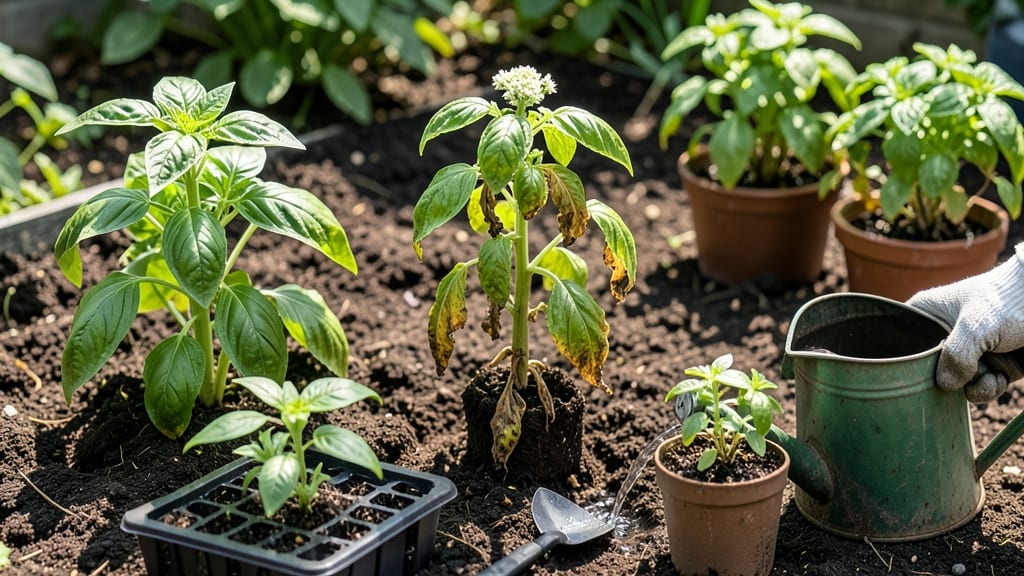
Basil wilting after transplant is the fastest way to turn a thriving plant into a sad, droopy mess—but there's always a fix. 🌱 I’ve revived more than a dozen wilting basil plants using the same steps, and within 48 hours, they’re back to their vibrant, fragrant selves.
The key is acting fast and addressing the real cause, not just guessing what went wrong.
Most wilting happens because of one of three things: transplant shock (roots adjusting to new soil), overwatering (soggy roots can’t breathe), or environmental stress (too much sun or wind after moving). The good news?
Each has a simple solution—like adjusting your watering schedule, providing afternoon shade, or gently loosening compacted soil around the roots. My plants bounce back every time once I pinpoint the issue.
You’ll see improvement within 24 hours if you catch it early—leaves perk up, stems firm up, and that classic basil scent returns. The secret is patience and consistency: check the soil moisture daily, avoid heavy watering, and keep the plant in stable conditions until it fully recovers.
Most basil plants make a full comeback with the right care.
Prevent future wilting by hardening off seedlings before transplanting and choosing a spot with 6+ hours of sunlight but afternoon shade in hot climates. A little preparation goes a long way in keeping your basil thriving all season long.
Root of the Problem
Transplanting basil is like giving it a mini-survival challenge—its delicate roots are suddenly exposed to new conditions, and if not handled carefully, stress sets in fast.
Wilting after transplanting isn’t just a random bad luck scenario; it’s usually a clear signal that one (or more) of the plant’s core needs isn’t being met. Let’s break down the real culprits behind those sad, drooping leaves, so you can fix them before it’s too late.
---
When basil is uprooted and replanted, its roots suffer physical trauma, even if they look intact. The tiny root hairs—critical for water and nutrient absorption—can get damaged during the process. This disruption triggers a stress hormone cascade, causing the plant to temporarily shut down photosynthesis and conserve energy.
As a result, basil wilts as it prioritizes root recovery over leaf hydration.
Why it matters: - Root hairs take 24–48 hours to recover—this is why wilting often peaks after transplanting, not during. - Overcrowded roots (from being root-bound in a small pot) struggle even more, as they’re already oxygen-starved before transplanting.
Quick fix: Give your basil gentle watering (not soaking) immediately after transplanting to reduce shock. Avoid fertilizing for at least 5–7 days—roots need time to heal, not extra work digesting nutrients.
---
Basil has shallow roots that thrive in consistently moist (but not soggy) soil. After transplanting, watering mistakes are the #1 cause of wilting—either from overwatering (which suffocates roots) or underwatering (which dehydrates them).
#### Overwatering: The Silent Killer - Compacted soil after repotting traps air pockets, preventing oxygen from reaching roots. - Poor drainage in the new container causes roots to rot, cutting off water uptake. - Fungal infections (like Pythium or Fusarium) thrive in waterlogged soil, clogging root cells.
Signs it’s overwatering: - Yellowing leaves (not just wilting). - Mushy, black stems at the base. - Soil that stays clammy for days after watering.
#### Underwatering: The Slow Squeeze - Basil wilts within hours of drying out because its leaves transpire (lose water) faster than roots can replenish it. - Transplanting into dry soil forces roots to work harder to reach moisture, delaying recovery.
Signs it’s underwatering: - Crispy, dry leaf edges. - Soil pulling away from the pot sides (shrinking). - Leaves feel papery or brittle when touched.
Action steps: - Check soil moisture by sticking your finger 1 inch deep—water when it’s dry to the touch. - Use well-draining soil (50% potting mix, 30% perlite, 20% compost) to balance moisture and aeration. - Water deeply but infrequently: Aim for 1–1.5 inches of water per week, letting excess drain away.
---
Basil is a tender annual that prefers warmth and humidity. After transplanting, sudden changes in temperature or dry air can cause wilting as the plant struggles to regulate itself.
#### Heat Stress - Temperature spikes above 90°F (32°C) cause basil to close stomata (pores on leaves) to prevent water loss, leading to wilting. - Hot, dry winds increase evaporation rates, dehydrating leaves faster than roots can compensate.
#### Cold Shock - Temperatures below 50°F (10°C) slow root activity, while leaves keep transpiring—resulting in wilting. - Frost or chilly nights can cause cellular damage, making leaves limp and discolored.
#### Low Humidity - Humidity below 40% forces basil to work overtime to retain moisture, often leading to wilting, especially in indoor or air-conditioned environments.
Solutions: - Provide afternoon shade if temps exceed 85°F (29°C). - Use a cloche or row cover for outdoor basil to protect from wind and heat. - Mist leaves in dry climates or place a tray of water near the plant to boost humidity. - Avoid transplanting in extreme heat—opt for early morning or late evening to reduce shock.
---
Basil is a heavy feeder and relies on a steady supply of nitrogen, potassium, and micronutrients for vigor. After transplanting, nutrient imbalances can weaken the plant’s ability to recover.
#### Nitrogen Deficiency (The Most Common) - Pale, yellowing leaves (especially older ones) signal nitrogen starvation. - Wilting + stunted growth occur because nitrogen is essential for chlorophyll production and cell expansion.
#### Potassium Deficiency (Wilting + Weak Stems) - Brown leaf edges and weak stems are classic signs of low potassium. - Potassium regulates water movement in plants—without it, basil wilts even when soil is moist.
#### Over-Fertilizing (Burned Roots) - Too much fertilizer (especially high in salt) burns root tips, reducing water absorption. - Wilting + leaf scorch (brown, crispy edges) appear within days of over-fertilizing.
How to fix it: - Wait 1–2 weeks before fertilizing post-transplant to avoid root burn. - Use a balanced liquid fertilizer (10-10-10 or 5-5-5) diluted to half-strength. - Flush soil every 4–6 weeks with water to prevent salt buildup.
--- Not all soil and pots are created equal—and basil is picky about its home.
#### Compacted or Heavy Soil - Clay-heavy or poorly amended soil suffocates roots, reducing oxygen and water flow. - Wilting + slow recovery occur because roots can’t access nutrients or moisture efficiently.
#### Root-Bound Stress - If basil was crowded in its original pot, roots grow in a tangled mess, making transplanting traumatic. - Wilting + stunted growth persist because the root system can’t expand into the new space.
#### Container Problems - Pots without drainage holes lead to root rot, cutting off water uptake. - Plastic pots (without breathable sides) trap heat, stressing roots in hot climates.
Fix it with: - Loosen roots gently before transplanting to encourage spreading. - Choose containers with drainage holes and at least 6 inches of depth. - Use lightweight, airy soil (avoid garden soil—it compacts too easily).
Revive Your Basil Fast
When your basil wilts after transplanting, don’t panic—it’s often a sign of stress, not a death sentence. With the right care, you can nurse it back to health in 48 hours or less.
Below are practical, step-by-step solutions tailored to the most common causes, plus prevention tips to keep your basil thriving long-term.
---
Cause: Roots get damaged during transplanting, slowing water and nutrient uptake. Solution: 1. 🔥 Trim Damaged Roots (If Needed) - Gently shake off excess soil and inspect the roots. If you see black, mushy, or broken roots, trim them with sterilized scissors (cut at a 45° angle). - Pro Tip: 💡 Healthy roots are white or light tan—discard any that look rotten.
2. 🍳 Repot with Fresh Soil - Use a well-draining potting mix (add perlite or sand if your soil is heavy). - Plant basil at the same depth as its original container—burying the stem too deep can suffocate it.
3. 👨🍳 Water Lightly but Often - First 24 hours: Water just enough to moisten the soil (overwatering now can drown stressed roots). - Next 48 hours: Check soil moisture daily—stick your finger in 1 inch deep. Water only if it’s dry.
4. ⏰ Give It a Recovery Break - Avoid fertilizing for 1–2 weeks—roots need time to establish. - Place in bright, indirect light (direct sun can stress already weak plants).
Prevention: ✨ Hardening Off: Before transplanting, gradually expose basil to outdoor conditions for 3–5 days (start with 1 hour, increase daily). ✨ Transplant at the Right Time: Do it in the early morning or late afternoon to avoid midday heat stress.
---
Cause: Soggy soil cuts off oxygen, causing roots to suffocate and leaves to wilt. Solution: 1. 🔪 Drain Excess Water Immediately - If soil is saturated, stop watering and let it dry out. Place the pot in a shady spot for 24 hours.
2. 🌡️ Check for Root Rot - Gently remove the plant and inspect roots. If they’re mushy or smell foul, you’ll need to repot with fresh soil and trim rotten roots.
3. 🥗 Adjust Your Watering Habits - Test soil moisture before watering—stick your finger 1–2 inches deep. Water only if it’s dry. - Use a pot with drainage holes (no exceptions!). - Water at the base, not the leaves, to prevent fungal issues.
Prevention: 💡 Use a moisture meter to track soil dampness—aim for 40–60% moisture (not soggy). 💡 Mulch lightly (with straw or coconut coir) to retain even moisture without waterlogging.
---
Cause: Basil wilts when exposed to sudden heat or intense afternoon sun, especially after transplanting. Solution: 1. 🌿 Move to Partial Shade - Place basil in a spot with morning sun and afternoon shade (or dappled sunlight). - If outdoors, use a light shade cloth (30–50%) for the first 3–5 days.
2. 💦 Increase Humidity (If Air Is Dry) - Mist leaves lightly in the morning (avoid evening misting to prevent fungal growth). - Set the pot on a tray of pebbles + water (evaporation creates humidity).
3. 🥘 Offer a Cool Drink - Water deeply in the morning to help roots absorb moisture before heat peaks. - Avoid ice-cold water—use room-temperature water to prevent shock.
Prevention: ✨ Transplant in cooler hours (early morning or late evening). ✨ Use self-watering pots to maintain steady moisture in heatwaves.
---
Cause: Basil needs nitrogen, potassium, and magnesium to recover after transplant stress. Solution: 1. 📊 Feed with a Gentle Fertilizer - Wait 1–2 weeks after transplanting, then use a balanced liquid fertilizer (10-10-10) or fish emulsion. - Dilute to half-strength to avoid burning roots.
2. 💪 Boost with Epsom Salt (For Magnesium) - Mix 1 tbsp Epsom salt per gallon of water and water the soil once a week for 2 weeks.
3. 🥗 Add Compost Tea (Natural Nutrient Boost) - Brew compost tea (steep compost in water for 24–48 hours, strain) and use as a foliar spray or soil drench.
Prevention: 🌱 Pre-transplant prep: Mix compost or worm castings into the soil before planting. 🌱 Regular feeding: Every 2–3 weeks during the growing season with a low-nitrogen fertilizer.
--- If your basil is completely limp and crunchy, try this last-resort fix: 1. 🌊 Submerge the Pot - Place the entire pot in 2–3 inches of water for 10–15 minutes to rehydrate roots.
2. 🌿 Prune Damaged Foliage - Snip off yellow or mushy leaves to redirect energy to new growth. 3. 🌡️ Move to a Humid, Shady Spot - Keep it in high humidity (70%+) and indirect light for 48 hours.
--- ✅ Right after transplanting: Water lightly, avoid fertilizer, and shade for 3 days. ✅ Soil: Use fast-draining mix (60% potting soil, 30% perlite, 10% compost). ✅ Light: 6+ hours of sunlight daily, but protect from scorching midday sun for a week. ✅ Water: Bottom-water (place pot in a tray of water for 10 mins) to encourage deep roots.
--- Result? Your basil should perk up within 24–48 hours—and with these tweaks, it’ll grow stronger than ever! 🌿💚
Frequently asked questions
Why does my basil wilt immediately after transplanting, even though I watered it?
Transplant shock is the most likely culprit! Basil roots get damaged during repotting, and even gentle watering can't compensate when roots struggle to absorb moisture. The tiny root hairs (critical for hydration) take 24-48 hours to recover. Reduce watering to just moistening the soil and provide shade for 3 days to help roots establish.
Can I save my basil if the stems feel mushy and the leaves are crispy?
You might still revive it with urgent action! First, check for root rot by gently removing the plant—if roots are black/mushy, trim them and repot with fresh, well-draining soil. Submerge the pot in 2-3 inches of water for 10-15 minutes to rehydrate, then move to a humid, shady spot for 48 hours. Prune all damaged leaves to redirect energy to recovery.
How do I prevent basil wilting when transplanting from indoors to outdoors?
Start with hardening off—gradually expose your basil to outdoor conditions for 3-5 days before transplanting (begin with 1 hour/day, increasing daily). Choose early morning or late evening for transplanting to avoid heat stress. Use light shade cloth (30-50%) for the first 5 days and water deeply but infrequently to encourage strong root growth.
Is it better to transplant basil in small pots or large containers?
Start with 6-inch pots for single plants—they provide enough room without overwhelming delicate roots. Larger containers (12+ inches) can cause soil to stay too wet, increasing rot risk. If repotting later, choose containers with drainage holes and use a lightweight mix (50% potting soil, 30% perlite, 20% compost) to prevent compaction.
Why does my basil wilt more in hot weather after transplanting?
Heat stress forces basil to close its stomata (leaf pores) to conserve water, causing wilting. Temperatures above 85°F (29°C) accelerate this. Provide afternoon shade, mist leaves lightly in mornings, and water deeply in the morning to help roots absorb moisture before heat peaks. Avoid transplanting during heatwaves—wait for cooler days.