
Planting
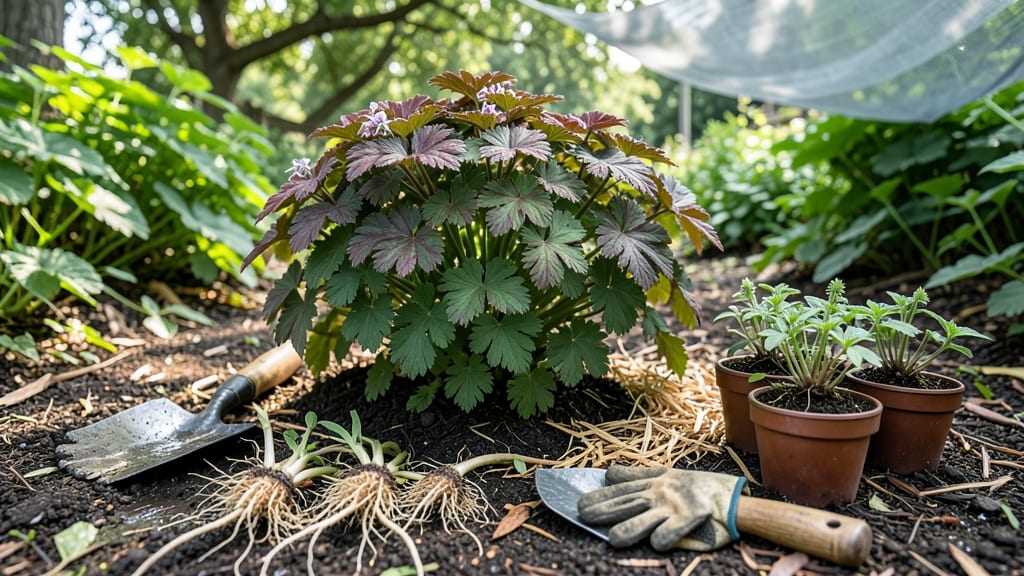
Planting heuchera at the best time ensures vibrant foliage and strong root growth 🌿—and missing that window can leave your plants struggling or even dead.
If you’ve ever watched a heuchera wilt under summer heat or freeze in early fall, you know timing matters. The difference between a thriving plant and a sad one often comes down to when you put it in the ground.
In USDA Zone 6a, early spring or early fall are your safest bets—just after the last frost or before the first chill. But what if you’re in a warmer zone? Or planting in containers? We’ll break down the exact months, soil prep, and regional tweaks to get it right.
By the end, you’ll know not just when to plant, but how to set your heuchera up for years of bold, colorful foliage with minimal fuss.

Spring vs. fall planting: which season gives heuchera the best start?
Deciding between spring and fall planting for your heuchera can feel overwhelming, but the right choice depends on your USDA hardiness zone and local climate. Both seasons offer advantages, but one may give your coral bells a stronger foundation for vibrant foliage.
Let’s break down the key factors to help you choose.
In USDA zones 3-7, fall planting often gives heuchera a head start. Cooler temperatures and consistent moisture help roots establish before winter dormancy. Meanwhile, zones 8-10 benefit more from spring planting, avoiding summer heat stress. Your location isn’t just about the season—it’s about timing the plant’s natural growth cycles.
| Factor | Spring Planting | Fall Planting |
|---|---|---|
| Best For Zones | 8-10 | 3-7 |
| Root Establishment | Slower in heat | Faster in cool soil |
| Frost Risk | Low (post-last frost) | High (pre-first frost) |
| Watering Needs | High (hot weather) | Moderate (cooler temps) |
| Growth Speed | Fast (active season) | Slow (dormancy prep) |
Spring planting (March-April) gives heuchera a full growing season to establish roots and foliage before winter. However, in hotter climates, summer heat can stress young plants, slowing growth. I’ve seen heuchera planted in late spring still thrive, but they often need extra mulch and consistent watering to compensate.
Fall planting (September-October) is ideal for cooler regions because it allows roots to grow undisturbed through winter. By the time spring arrives, your heuchera will already have a strong foundation.
In USDA zone 6a, I’ve had the best success planting in early October—just before the first frost. This timing gives roots 6-8 weeks to establish before dormancy.
One critical factor is soil temperature. Heuchera roots struggle in soil warmer than 60°F (15°C), which is why spring planting in southern zones often fails.
A soil thermometer is my secret weapon—it helps me avoid planting too early. Aim for 50-60°F (10-15°C) soil for best results, whether in spring or fall.
Container-grown heuchera adapts better to seasonal shifts than bare-root plants. If you’re buying potted heuchera, you can plant it slightly later in spring (May) or earlier in fall (November) without risking transplant shock. Just ensure the container isn’t root-bound before planting.
Pests like slugs and snails are more active in spring, so I always add copper barriers or diatomaceous earth when planting heuchera early. Fall-planted heuchera faces fewer pest threats, but watch for voles in snowy regions—they love gnawing on young roots.
For maximum foliage color, spring planting often wins because the plant has a full season to photosynthesize. Fall-planted heuchera may take a year to reach peak vibrancy, but the trade-off is stronger winter survival.
In my zone 6 garden, I’ve noticed purple-leaved varieties like ‘Palace Purple’ bloom brighter when fall-planted.
Ultimately, the best season depends on your local climate and heuchera variety. If you’re unsure, err on the side of fall planting—it’s more forgiving for beginners. But if you live in a warm zone, spring planting gives you the edge for bold, early-season color. 🌿
How to time your heuchera planting for maximum growth and color
Timing your Heuchera planting perfectly ensures vibrant foliage and robust growth. The ideal window depends on your USDA zone and local climate, but most gardeners agree: early spring or early fall are the golden hours.
Let’s break down the optimal timing for your region and how to leverage moon phases for extra success.
For northern climates (USDA zones 3-6), aim to plant Heuchera in early spring—typically March to April—once soil temperatures rise above 45°F. In southern regions (zones 7-10), fall planting (September-October) works best, allowing roots to establish before winter.
Both seasons avoid extreme heat or frost, which can stress young plants.
-
🌱 Early Spring (March-April)
Plant after last frost when soil reaches 50°F. Ideal for northern zones to maximize root growth before summer heat. -
🌿 Moon Phases (Rooting Phase)
Plant during the waxing moon (growing phase) for stronger root development. Avoid the waning moon to prevent weak growth. -
🌡️ Soil Temperature Check
Use a soil thermometer—Heuchera thrives in soil between 50°F-70°F. Cold soil slows root establishment. -
🌳 Early Fall (September-October)
Best for southern zones—plant 6-8 weeks before first frost. Roots establish without summer stress. -
⏰ Time of Day
Plant in the morning to reduce transplant shock. Avoid midday heat, which can wilt young plants.
Don’t overlook moon phases—they can boost your Heuchera’s success. The waxing moon (when the moon is growing) is ideal for planting because it enhances root development. Check a moon phase calendar and align your planting with the rooting phase (typically 3-4 days after the new moon).
This ancient trick works surprisingly well for perennials like Heuchera.
Regional adjustments matter! In Zone 5 or colder, prioritize spring planting—wait until mid-May to avoid late frosts. In Zone 8+, fall planting is safer, but avoid planting too late—Heuchera needs time to establish before winter dormancy. Always check your last frost date and adjust accordingly.
Pro tip: Amend your soil with compost before planting to improve drainage—Heuchera hates soggy roots. Mulch with 2-3 inches of organic mulch to retain moisture and regulate soil temperature. This simple step can double your success rate in both spring and fall plantings.
If you’re unsure about your local timing, observe your garden’s microclimate. Shady spots stay cooler longer, so you can plant 1-2 weeks earlier than sunny areas. For container gardening, follow the same rules but ensure pots have drainage holes—Heuchera’s roots need air to thrive.