
Planting
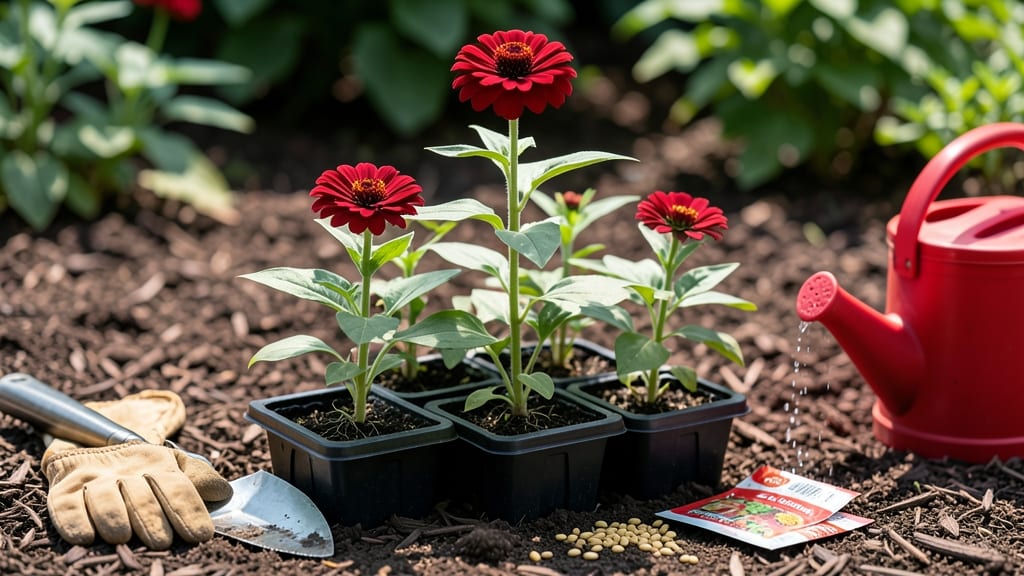
The best way to plant zinnia seeds starts with a sunny spot and a few simple tricks. 🌻 I've grown zinnias for years, and the secret to vibrant blooms in just 6 weeks comes down to timing, soil, and a little patience—no fancy equipment needed.
Zinnias thrive in full sun and well-draining soil, but they don’t need rich compost. Scatter seeds ¼ inch deep, 6–12 inches apart, and keep them moist until sprouts appear. The key is consistency: water lightly but often, especially in dry spells, to avoid leggy stems.
By mid-summer, you’ll have towering stems of bright reds, oranges, and yellows that attract butterflies and last until frost. Pinch back the first blooms to encourage bushier growth—it’s a small effort for months of color. Works for garden beds, containers, or even window boxes.
Let’s get those seeds in the ground!
📚 In This Guide
- What you need
- Instructions
- Tips and common mistakes
- Wrapping up and next steps
What you need
- ● Zinnia seeds: Choose from varieties like Zinnia elegans (classic) or Zinnia angustifolia (dwarf). Buy 1 packet (50-100 seeds) for a small border or 2-3 packets for a full garden bed.
- ● Well-draining potting mix or garden soil: 1-2 cubic feet per plant (or 10-15 lbs for a 10 sq. ft. bed). Amend clay soil with compost (1 part compost to 3 parts soil) for better drainage.
- ● Containers or garden bed: For container gardening: 5-6 inch diameter pots (1 pot per seedling) or hanging baskets with drainage holes.
- ● For in-ground planting: A sunny spot (6+ hours of light) with loose, fertile soil.
- ● Watering can or hose with a gentle spray nozzle: 1-2 gallons of water per planting session.
- ○ Plant labels (optional but helpful): 5-10 labels to track varieties if planting multiple types.
- ● Trowel or small hand shovel: For digging holes (1-2 inches deep).
- ● Gloves: A pair of gardening gloves to protect your hands.
- ○ Spray bottle (optional): For misting seeds if starting indoors.
- ○ Fertilizer (optional but recommended): Balanced liquid fertilizer (10-10-10): 1 tsp per gallon of water for seedlings.
- ● Slow-release granules (5-10-10): 1 tbsp per plant at planting time.
- ○ Mulch (optional): 1-2 inches of straw or shredded leaves to retain moisture and suppress weeds.
- ● A warm season (after last frost): Zinnias thrive in 70-78°F (21-26°C) soil temps.
- ● Sunny location: Full sun (6+ hours/day) is a must for vibrant blooms.
- ● Patience (6-8 weeks): From seed to flower, zinnias are fast but need consistent care!
Step-by-step instructions for planting zinnia seeds
Here's the foolproof method I use to get zinnia blooms in under two months—no black thumb required.
🌱 Step 1: Start Seeds Indoors or Direct-Sow After Frost
Zinnia seeds germinate best in warm soil, so I start them indoors 4-6 weeks before your last frost date. Fill 2-3 inch deep seedling trays with sterile seed-starting mix (not garden soil—it's too heavy). Moisten the mix until it feels like a damp sponge, then press it down lightly to remove air pockets.
Plant 2-3 seeds per cell just ¼ inch deep—any deeper and they'll struggle to push through. Cover lightly with a fine layer of mix and mist gently with water until the surface looks evenly damp. Place the tray in a warm spot (70-75°F) like on top of the fridge or under a seedling heat mat. You'll see sprouts in 5-10 days—watch for tiny green hooks breaking through the soil.
If you prefer direct sowing, wait until soil temperatures reach 60°F and all frost risk has passed. Scatter seeds ¼ inch deep, 6 inches apart, and thin to the strongest plant once they're 2 inches tall. This works best in warmer climates where nights stay above 55°F.
☀️ Step 2: Provide Bright Light and Prevent Leggy Growth
The moment those first true leaves appear (the second set after the initial seed leaves), move seedlings to the brightest light possible. A south-facing window rarely provides enough intensity, so I use a grow light positioned 2-3 inches above the plants. You'll know the light is right when seedlings grow thick stems and leaves are dark green with no gaps between them.
If stems stretch toward the light and look thin (called "leggy"), your light is too far away. Lower it immediately—zinnia seedlings can't recover from weak growth. Rotate the tray a quarter turn daily so plants grow straight instead of leaning. Once seedlings have 3-4 sets of true leaves, they're ready for transplanting outdoors.
🪴 Step 3: Harden Off and Transplant for Strong Starts
Two weeks before your last frost date, begin hardening off seedlings by placing them outside in a sheltered spot for 1-2 hours the first day. Gradually increase their outdoor time by 1 hour daily until they're spending full days outside. This prepares them for real garden conditions without shock.
When transplanting, choose a site with full sun (6+ hours daily) and well-draining soil. Dig holes twice as wide as the root ball but no deeper. Space zinnia plants 12-18 inches apart—they'll spread as they grow. Water deeply right after transplanting to settle the soil around roots, then let the surface dry slightly before watering again.
💧 Step 4: Water Deeply and Deadhead for Continuous Blooms
Zinnias hate soggy roots, so I water them deeply once a week (or more often in extreme heat) until the top 2 inches of soil feel dry. Water at the base of plants in the morning to prevent fungal diseases. You'll see strong, upright growth when stems stay firm and leaves don't wilt by afternoon.
Here's the secret to nonstop blooms: deadhead spent flowers by pinching off the faded blooms with your fingers or snipping with clean scissors. This encourages the plant to produce more flowers instead of setting seed. I do this every 2-3 days during peak bloom season—your zinnias will reward you with weeks of vibrant color.
✂️ Step 5: Support Tall Varieties and Extend the Season
If you're growing tall zinnias (like 'Benary's Giant'), they'll need staking or cages once they reach 12 inches. Insert stakes 3 inches deep next to each plant and tie stems loosely with soft plant ties. Avoid tight bindings—they'll restrict growth as the plant thickens.
To extend blooms into fall, cut back plants by half their height after the first hard frost. They'll often produce a second flush of flowers if days stay above 50°F. In cold climates, dig up container-grown zinnias and overwinter them indoors near a sunny window—they'll bloom again in spring.
Tips & tricks for perfect zinnia planting
Here’s what I’ve learned after growing zinnias for years—these small tweaks make all the difference between patchy blooms and a vibrant garden border.
Germination Boost: Zinnia seeds need warmth to sprout, so if your home stays cooler than 70-75°F, use a seedling heat mat or place the tray on top of your fridge. I’ve found that keeping the soil consistently warm (not hot!) speeds up germination from 5-10 days to just 3-7 days. Once those first green hooks appear, move them to brighter light immediately—delaying this step leads to leggy seedlings.
Lighting Secret: That 2-3 inch distance from your grow light is critical. If your seedlings stretch toward the light (the "leggy" look), lower it immediately. I test light intensity by touching the tray—if it feels warm but not hot, the light is positioned correctly. Rotate the tray daily so plants grow straight, not lopsided. This simple habit prevents weak stems that flop when transplanted.
Transplanting Hack: When hardening off seedlings, start with just 1-2 hours of outdoor time the first day. The key is gradual exposure—if you rush this step, seedlings can go into shock. I also water them thoroughly before moving outside, which helps them handle the transition better. After transplanting, water deeply to settle the soil around roots, but avoid soggy conditions—zinnias hate wet feet.
Deadheading Timing: Pinch off faded blooms every 2-3 days during peak season to encourage more flowers. I use clean scissors for tall varieties to avoid damaging stems. The secret? Don’t wait until flowers are completely brown—remove them when they start wilting. This keeps plants focused on producing new blooms instead of seeds, extending your color show for weeks.
Pro Tips for Best Way To Plant Zinnia
- Here’s what I’ve learned after growing zinnias for years—these small tweaks make all the difference between patchy bl...
- Germination Boost: Zinnia seeds need warmth to sprout, so if your home stays cooler than 70-75°F, use a seedling heat...
- Lighting Secret: That 2-3 inch distance from your grow light is critical. If your seedlings stretch toward the light ...
Frequently asked questions
Got questions about planting zinnias? You’re not alone! Here are answers to the most common queries to help you grow vibrant blooms with ease.
When is the best time to plant zinnia seeds?
Plant zinnia seeds after the last frost when soil temperatures reach at least 60°F (15°C). For warm climates, direct sow in late spring (March–May). In cooler zones, start indoors 4–6 weeks before transplanting or wait until mid-to-late May for outdoor planting. Early blooms reward patience!
How long does it take for zinnias to grow from seed?
Zinnias are fast growers! From seed to first bloom, expect 6–8 weeks under ideal conditions (full sun, warm soil, and consistent moisture). Dwarf varieties may flower sooner (5–6 weeks), while giant types take 8–10 weeks. Deadhead spent blooms to encourage nonstop summer color.
Can I plant zinnias in containers or small gardens?
Zinnias thrive in containers, hanging baskets, or small garden beds as long as they get at least 6 hours of sun daily. Choose dwarf varieties (like ‘Thumbelina’ or ‘Crystal’) for pots—plant 3–5 seeds per 6-inch container. Ensure drainage holes are present to prevent root rot. Perfect for balconies or patios!
Why aren’t my zinnia seeds germinating?
Check these common issues: cold soil (wait for warmth), too-deep planting (cover seeds with ¼ inch of soil max), or dampness (keep soil moist but not soggy). Seeds need light to germinate—avoid burying them deeply. If using old seeds (1 year+), try fresh ones for better success. Patience pays off!
How often should I water zinnias?
Water zinnias deeply 1–2 times per week (more in extreme heat). Avoid overhead watering to prevent mildew—water at the base instead. Once established, they’re drought-tolerant, but consistent moisture during growth ensures sturdy stems and vibrant blooms. Mulch around plants to retain moisture.
Wrapping up and next steps
Planting zinnia seeds is a rewarding journey that brings vibrant color to your garden in just six weeks! Whether you’re a seasoned gardener or a beginner, following the right steps—like choosing the perfect soil, spacing seeds properly, and providing plenty of sunlight—will set you up for success.
With a little patience and care, you’ll soon enjoy a dazzling display of blooms that attract butterflies and brighten up your outdoor space.
Now that you’re ready to plant, grab those seeds and get growing! 🌱 Next, mark your calendar for regular watering and deadheading to keep your zinnias thriving all season long. Happy gardening!