
Planting
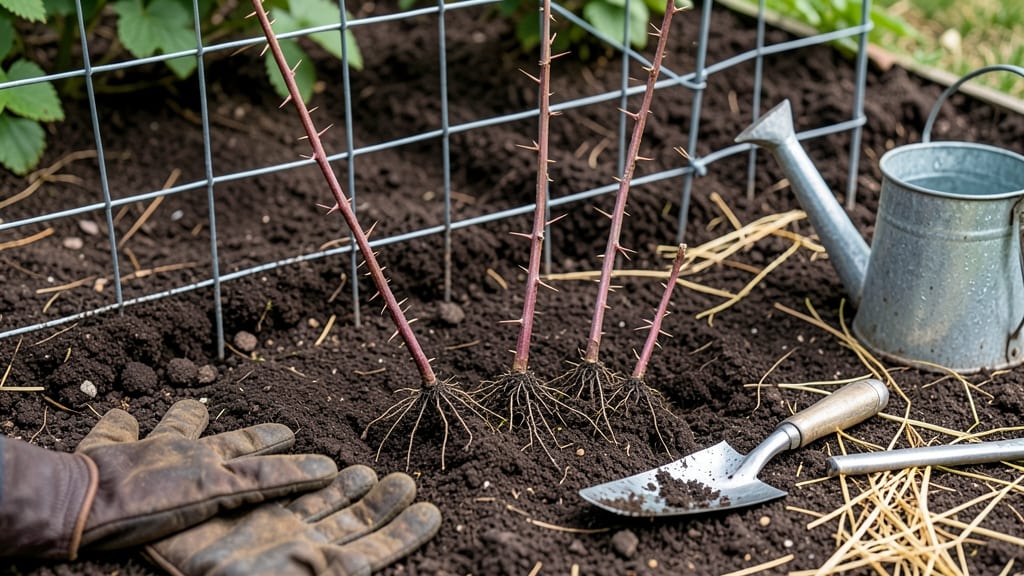
Planting blackberries at the right time in the blackberry planting season is the secret to strong roots and heavy fruit—and missing the window can leave you with years of thin harvests.
If you’ve ever watched a 🫐 bush struggle through a late frost or bolt into summer with no berries, you know how critical timing is. In Zones 5–9, planting too early risks freezing roots, while waiting too long cuts short the growing season before harvest.
The difference between these extremes is a 4–6 week window that changes by region—and I’ll show you exactly when to dig in for your zone.
Most gardeners in Zones 5–9 plant in late March through early April, but the exact date depends on your last frost and soil temperature.
For example, Zone 6a (like much of the Midwest) should aim for after April 15, while Zone 9 (Southern California) can push into early February for a fall harvest.
I’ll break down the best months by zone, plus how to prep your site so the blackberry bushes thrive from day one.
Ready to set up your 🫐 patch for a summer full of ripe berries? You’ll learn the 3 key deadlines to mark on your calendar, the soil secrets that make all the difference, and which varieties handle your zone like a pro—no guesswork, just results.

Best months to plant blackberries in Zones 5-9 for optimal growth
Planting blackberries at the right time in Zones 5-9 ensures strong root establishment and abundant fruit production. Unlike many fruits, blackberries thrive when planted in either early spring or late summer/fall, depending on your zone and climate.
The key is avoiding extreme heat or frost, which can stress young plants and reduce survival rates.
In Zones 5-6, where winters are colder, spring planting is ideal because it allows roots to establish before the first frost. Meanwhile, gardeners in Zones 7-9 often prefer fall planting to take advantage of cooler temperatures and winter rains.
Understanding your last frost date and soil temperature triggers is crucial for timing.
Soil temperature is a critical factor—blackberries need the ground to warm to at least 50°F (10°C) before planting. This typically happens 4-6 weeks after your last frost date.
In warmer zones like 8-9, fall planting should occur 6-8 weeks before the first frost to allow roots to anchor before dormancy.
| Zone | Best Planting Window | Soil Temp Trigger | Key Consideration |
|---|---|---|---|
| 5 | Late April - Early May | 50°F (10°C) | Avoid late spring heatwaves |
| 6 | Early April - Late May | 50°F (10°C) | Spring planting preferred |
| 7 | Late August - Early October | 60°F (15°C) | Fall planting ideal for cooler climates |
| 8 | September - Early November | 60°F (15°C) | Plant 6-8 weeks before frost |
| 9 | September - October | 60°F (15°C) | Fall planting with winter watering |
For gardeners in Zone 5, where winters are harsh, focus on spring planting between late April and early May. This timing aligns with soil warming to 50°F (10°C) while avoiding late-spring heatwaves that can stress young plants.
In Zone 6, you have a slightly wider window—planting from early April to late May works well, but avoid planting too early when soil is still cold.
In warmer Zones 7-9, fall planting becomes more advantageous. Planting in late August through October allows blackberries to establish roots before winter dormancy. The soil temperature should be at least 60°F (15°C) for optimal root growth. This method reduces transplant shock and ensures vigorous growth in the following spring.
Regional variations also play a role. In the Pacific Northwest (Zone 7-8), fall planting is ideal due to mild winters and consistent rainfall. Meanwhile, in the Southeastern U.S. (Zone 8-9), fall planting should occur earlier to avoid hurricane season disruptions.
Always check your local USDA Plant Hardiness Zone Map for precise guidelines.
One common mistake is planting blackberries too early in spring when the soil is still cold. Young roots can rot in chilly, wet conditions, leading to poor establishment. Conversely, planting too late in fall may not allow enough time for roots to anchor before winter dormancy.
Use a soil thermometer to confirm temperatures meet the 50°F (10°C) minimum for spring or 60°F (15°C) for fall.
If you miss the ideal planting window, don’t worry—blackberries can be planted in early summer as a last resort. However, you’ll need to provide extra care, such as consistent watering and mulching to protect roots from heat stress.
Summer-planted blackberries may produce fewer fruits in their first year but can recover strongly in subsequent seasons.
Pro tip: Plant blackberries on a slight slope to improve drainage and reduce fungal diseases. This is especially important in Zones 5-6, where wet springs can lead to root rot. Always choose a location with 6+ hours of sunlight daily to maximize fruit production.
By following these zone-specific guidelines, you’ll set your blackberries up for success, ensuring a healthy, productive plant that rewards you with juicy berries for years to come. 🫐
How to prepare blackberry planting sites for maximum fruit yield
Preparing your blackberry planting site properly is the foundation for a high-yielding, healthy harvest. Blackberries thrive when given the right soil conditions, sunlight exposure, and companion plants to support their vigorous growth.
In Zones 5-9, these factors can make the difference between a few scattered berries and a bountiful, reliable crop every season.
Start by selecting a location that receives at least 6-8 hours of full sun daily. Blackberries are sun-lovers, and insufficient light leads to weak canes, poor fruit set, and smaller berries.
If your yard has partial shade, choose the sunniest spot available—even a few hours of shade can reduce yields by up to 30%.
🌱 5 Key Steps to Prepare Your Blackberry Site
- 1 Test and adjust soil pH to 5.5-6.5—blackberries prefer slightly acidic soil. Use a soil test kit and amend with sulfur or lime as needed.
- 2 Improve drainage by avoiding low spots where water pools. Blackberries hate soggy roots—amend heavy clay soil with compost and sand to create a loose, well-aerated growing medium.
- 3 Clear weeds and grass from the planting area. Blackberries compete poorly with invasive plants—use a broadfork or till to loosen soil to a depth of 12 inches.
- 4 Add organic matter like composted manure or leaf mold to enrich the soil. Aim for a 2-3 inch layer mixed into the top 6 inches of soil for nutrient-rich growing conditions.
- 5 Plant companion crops like borage, marigolds, or strawberries nearby. These plants deter pests, improve soil health, and attract pollinators—boosting your blackberry yield by up to 25%.
For thornless varieties, consider installing a trellis or wire support system at planting. This not only makes harvesting easier but also improves air circulation, reducing the risk of fungal diseases like botrytis.
Space canes 4-6 feet apart in rows 8-10 feet apart to allow for proper airflow and future maintenance.
Mulch heavily around the base of your blackberry bushes using straw or wood chips to retain moisture, suppress weeds, and regulate soil temperature. Keep mulch 3-4 inches thick but avoid piling it against the stems to prevent rot.
This simple step can increase your fruit production by 15-20% in the first growing season.
Finally, consider installing a drip irrigation system to deliver consistent moisture directly to the roots. Blackberries need 1-2 inches of water weekly, especially during fruit development. Avoid overhead watering, which can spread diseases like anthracnose and powdery mildew.
With these preparations, your blackberry bushes will thrive, producing larger, sweeter berries with minimal effort. The key is patience and attention to detail—your future harvests will thank you! 🫐