
Planting
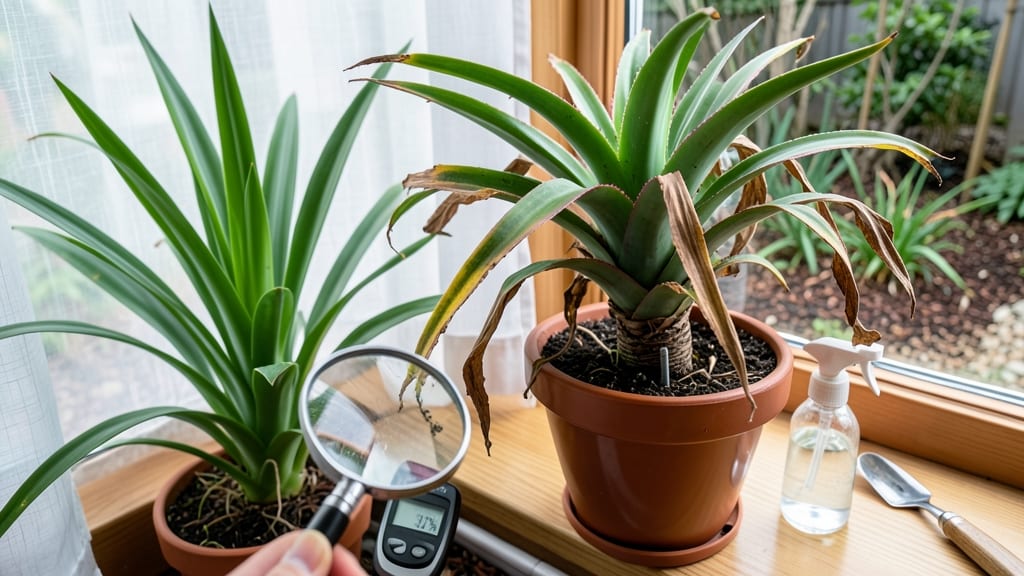
Your dracaena plant dying doesn’t mean it’s beyond saving—it just needs a little targeted care. 🌿 I’ve nursed back more than my share of these tough, architectural plants, and the secret lies in diagnosing the exact problem before jumping to fixes.
Most people overwater or ignore subtle signs, but with the right approach, you can revive even the most droopy dracaena in just a few weeks.
The first step is identifying the real issue: are the leaves turning brown from too much water, yellow from too little, or covered in sticky residue from pests? Chemical burns from over-fertilizing or fluoride in tap water can also mimic stress.
I’ve seen dracaenas recover from all of these—once you pinpoint the root cause, the fixes are surprisingly straightforward and often free.
By the end of this guide, you’ll know exactly how to adjust watering, lighting, and care to bring back that glossy, upright growth. No complicated tools or expensive treatments required—just a keen eye and a willingness to adjust habits.
Your dracaena could be thriving again within 2-4 weeks of targeted care.
Whether you’re dealing with crispy brown tips, wilted stems, or mysterious spots, we’ll cover the most common problems and their simple solutions—plus when to call in a pro for stubborn cases. Let’s get your plant back to its best.
Root Causes Of Dracaena Decline
Dracaena plants may look tough, but they’re actually quite sensitive to their environment—and a few key mistakes can send them into a downward spiral. Understanding the science behind their struggles helps you diagnose the problem fast.
Below, we break down the most common culprits behind a wilting, yellowing, or crispy dracaena, along with the why and how they happen.
---
Dracaenas are succulent-adjacent, meaning they store water in their leaves and stems. When you overwater, their roots suffocate in soggy soil, cutting off oxygen and inviting root rot—a fungal infection that turns roots black and mushy.
Why it happens: - Poor drainage: Compacted or clay-heavy soil holds excess moisture, while pots without drainage holes trap water at the roots. - Overzealous watering: Even well-draining soil can’t keep up if you water on a rigid schedule (e.g., weekly in winter) without checking soil moisture. - Cold stress: Cool temperatures slow evaporation, so roots stay wet longer, accelerating rot.
🔍 Quick test: Stick your finger 1–2 inches into the soil. If it’s damp, wait. If it’s bone-dry, you’ve likely underwatered—but if it’s soggy, you’ve overwatered.
---
Dracaenas thrive in bright, indirect light, but they’re sensitive to extremes. Too little light weakens them, while too much direct sun scorches their leaves.
Why it happens: - Burnt leaves: Sudden exposure to harsh sunlight (like a south-facing window) causes chlorophyll breakdown, leaving crispy, brown patches. - Leggy growth: Low light triggers etiolation, where stems stretch and leaves grow sparse and pale as the plant reaches for light. - Yellowing: Too little light reduces photosynthesis, causing older leaves to yellow and drop prematurely.
💡 Pro tip: Rotate your plant every few weeks for even growth. If leaves turn yellow near the base, it’s often a light deficiency. Brown tips? Too much sun.
---
Dracaenas prefer moderate temps (65–80°F) and moderate humidity (40–50%). Push these limits, and they’ll show distress.
Why it happens: - Cold drafts: Drafts from AC vents, doors, or windows can cause cold shock, leading to brown leaf edges or wilting. - Low humidity: Dry air (common in winter or with forced-air heating) makes leaves crispy at the tips—a classic sign of transpiration stress. - Heat stress: Temps above 90°F or sudden heat spikes (like near a radiator) cause leaf scorch, turning edges brown and brittle.
⚠️ Watch for: Drooping leaves in the morning (often a humidity issue) or sudden leaf drop in drafty spots.
---
Dracaenas aren’t heavy feeders, but poor soil quality or over-fertilizing can harm them.
Why it happens: - Fertilizer burn: Excess salts from synthetic fertilizers (especially in winter) disrupt water uptake, causing leaf tip burn and stunted growth. - Nutrient deficiency: Pale, yellow leaves with dark veins? Likely iron or magnesium deficiency from poor soil or overwatering that washes away nutrients. - Compacted soil: Old potting mix loses structure, reducing oxygen and nutrient availability to roots.
📊 Fix it: Flush the soil with water every 3–4 months to remove salt buildup. Use a balanced, water-soluble fertilizer (like 10-10-10) only in spring/summer, diluted to half strength.
--- Dracaenas attract pests like spider mites, mealybugs, and scale, which weaken the plant by feeding on sap. Fungal infections (like bacterial leaf spot) thrive in wet conditions.
Why it happens: - Weakened plants: Stress from overwatering or poor light makes dracaenas vulnerable to infestations. - Sticky leaves: Mealybugs leave a cottony residue, while spider mites create fine webbing—both signs of a pest problem. - Black spots: Fungal infections appear as oily, sunken lesions, often on older leaves.
🔥 Act fast: Isolate the plant and wipe leaves with neem oil or insecticidal soap. For fungal issues, improve airflow and avoid overhead watering.
--- Dracaenas hate being root-bound but also stress from sudden repotting. Poor soil or pot size can trigger decline.
Why it happens: - Root damage: Rough handling during repotting can sever roots, slowing recovery. - Wrong soil mix: Heavy, clay-based soil compacts easily, suffocating roots. - Pot too large: A pot that’s too big holds excess moisture, promoting rot.
✨ Best practice: Repot every 2–3 years in well-draining mix (cactus/succulent soil + perlite). Choose a pot 1–2 inches larger in diameter.
Reviving Your Dracaena in 3 Steps
---
If your dracaena plant is looking sad—yellowing leaves, brown tips, or drooping stems—don’t panic! With the right care, you can nurse it back to health. Below are practical, step-by-step solutions tailored to the most common causes of decline, plus tips to keep your plant thriving long-term.
Let’s turn those wilting leaves into lush, vibrant growth!
---
Too much water is the #1 killer of dracaena plants. When roots sit in soggy soil, they suffocate, leading to yellow leaves, mushy stems, and even root rot.
#### 🔥 Fix It Fast: 1. 🚰 Stop Watering Immediately - Let the top 2–3 inches of soil dry out completely before watering again. Stick your finger in the soil—if it’s damp, wait.
2. 🌱 Repot in Well-Draining Soil - Remove the plant from its pot and inspect the roots.
If they’re black, mushy, or smell foul, trim the bad ones with clean scissors. - Repot in a fresh mix of cactus or succulent soil (or regular potting soil amended with perlite/pumice for drainage).
3. 🏠 Choose the Right Pot - Use a terracotta pot (breathable) with drainage holes. Avoid plastic traps that hold moisture.
#### 💡 Prevention Tips: - Water only when the soil is bone-dry—dracaenas store water in their leaves, so they’re drought-tolerant! - Water deeply but less often—a slow drink is better than a daily sip. - Avoid saucers—if you must use one, empty it after 10 minutes to prevent root rot.
---
Brown, crispy leaf tips and dry, papery leaves? Your dracaena is begging for hydration. While they tolerate drought, extreme thirst stresses the plant.
#### 🍳 Fix It Fast: 1. 💦 Give It a Thorough Watering - Water until it drains from the bottom, then empty the saucer. Repeat every 7–10 days (adjust for humidity/climate).
2. 🌿 Trim Damaged Leaves - Snip off brown, crispy tips with clean scissors to encourage new growth.
3. 🌡️ Increase Humidity (If Needed) - Mist the leaves 2–3 times a week or place the pot on a pebble tray with water to boost moisture.
#### 💡 Prevention Tips: - Check soil moisture weekly—don’t wait until leaves curl! - Group plants together to create a microclimate with higher humidity. - Avoid cold drafts (like AC vents), which dry out leaves faster.
---
Dracaenas love bright, indirect light—too much sun scalds leaves, while too little makes them stretch and weaken.
#### 👨🍳 Fix It Fast: 1. 🌿 Adjust Light Exposure - Sunburnt leaves? Move to a spot 6–10 feet from a window (east or north-facing is ideal). - Leggy, pale leaves? Rotate the pot quarter-turn weekly and supplement with a grow light 12 inches away for 6–8 hours/day.
2. 🔪 Prune Damaged Foliage - Cut off yellow or bleached leaves at the base to redirect energy to healthy growth.
#### 💡 Prevention Tips: - Avoid direct midday sun—it’s like a sunburn for plants! - Dust leaves monthly with a damp cloth to help them absorb light. - Watch for leaf color clues: - Dark green? Needs more light. - Yellow patches? Too much sun.
---
If your dracaena has black stems, sticky residue, or tiny bugs, pests or fungal infections may be the culprit.
#### 🔪 Fix It Fast: 1. 🐜 Treat Pests Immediately - Spider mites/mealybugs? Wipe leaves with a soapy water cloth (1 tsp mild soap + 1 cup water). Repeat weekly. - Scale insects? Scrape off with a soft brush dipped in rubbing alcohol.
2. 🌱 Revive Root Rot - Repot in fresh, dry soil (as above) and avoid watering for 5–7 days to let roots recover. - Add 1 tbsp of cinnamon to the soil to fight fungus naturally.
#### 💡 Prevention Tips: - Inspect new plants before bringing them home (quarantine for 2 weeks). - Use neem oil spray monthly as a preventive pest deterrent. - Avoid over-fertilizing—too many nutrients = softer leaves = pest buffet!
---
Dracaenas hate cold drafts, sudden temperature swings, or heaters/AC vents. Drooping leaves or brown patches often signal stress from improper conditions.
#### ⏰ Fix It Fast: 1. 🏠 Move to a Stable Spot - Keep temps between 65–85°F (18–29°C). Avoid kitchen/bathroom drafts or windows near AC units.
2. 🌬️ Protect from Cold Snaps - If temps drop below 50°F (10°C), move indoors or cover with a light blanket.
#### 💡 Prevention Tips: - Never place near doors or windows that open to cold air. - Use a thermometer near the plant to monitor conditions. - Group plants together to create a warmer microclimate.
---
With these fixes, your dracaena should bounce back in 2–4 weeks—just be patient! Once it’s recovered, stick to the prevention tips to keep it happy and healthy for years. 🌿✨
Frequently asked questions
Why are my dracaena leaves turning yellow at the base first?
Yellowing at the base usually signals underwatering or nutrient deficiency. Dracaenas store water in their leaves, so when they’re thirsty, older leaves yellow first as the plant redirects resources. Check soil moisture—if it’s bone-dry, water thoroughly. For deficiencies, flush the soil with water to remove salt buildup and use a balanced fertilizer in spring/summer.
Can I save a dracaena with black, mushy stems?
Black, mushy stems indicate severe root rot, but you may still save the plant if healthy growth remains. Trim away all blackened stems and roots, then repot in fresh, well-draining soil. Withhold water for 5–7 days to let roots recover. Place in bright, indirect light and monitor closely—new growth should appear within 3–4 weeks if the root system wasn’t completely compromised.
How do I know if my dracaena needs more light or less?
Look for these clues: Leggy, pale stems with sparse leaves mean it needs more light (move to 6–10 feet from a window or use a grow light). Brown, crispy patches on leaves indicate too much direct sun—relocate to indirect light immediately. Rotate the pot weekly for even growth. Dust leaves monthly to help them absorb light efficiently.
Is it safe to use tap water on my dracaena?
Tap water can harm dracaenas if it contains high levels of fluoride or chlorine. These chemicals build up in the soil, causing leaf tip burn. Let tap water sit out for 24 hours before using, or use filtered/rainwater. If you notice brown tips despite proper watering, fluoride buildup may be the culprit—flush the soil with distilled water to remove excess salts.
My dracaena's leaves are curling—what should I do?
Curling leaves usually mean low humidity or underwatering. Increase humidity by misting leaves 2–3 times weekly or placing the pot on a pebble tray with water. Water deeply when the top 2 inches of soil are dry. If curling persists, check for pests (like spider mites) under leaves—treat with neem oil if needed. Avoid placing near heaters or AC vents, which dry out leaves faster.