
Planting
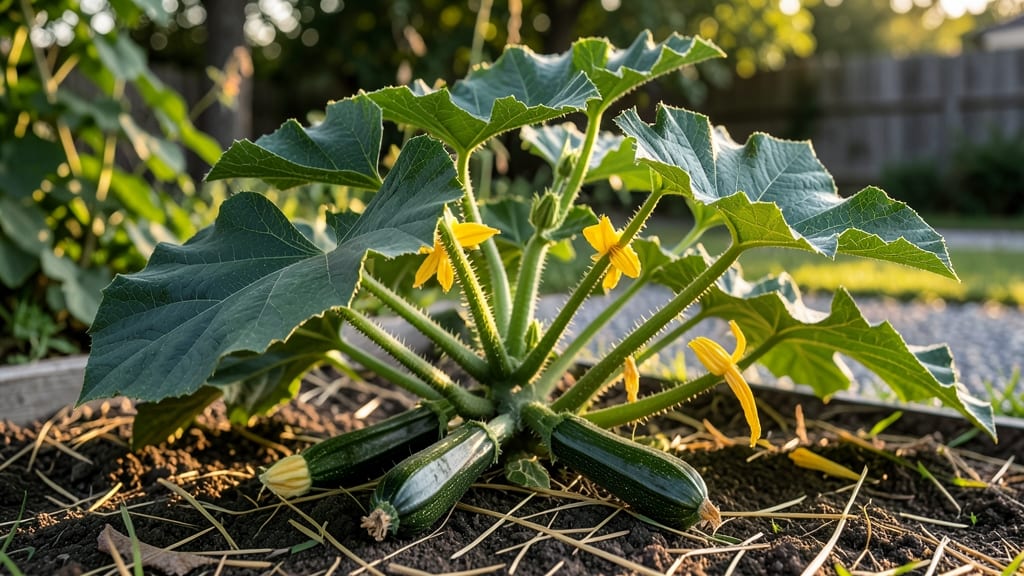
Growing a green zucchini plant from seed to harvest in just 45 days feels like magic—especially when you're staring at a tiny seedling and imagining the bushels of summer squash ahead. 🌱 I've grown zucchini for years, and the secret isn't complicated: it's all about sunlight, soil, and a little patience.
That first leaf unfurling after germination? That's when the real fun begins.
The key to success starts with the right conditions: full sun (at least 6-8 hours daily), rich soil, and consistent moisture. Zucchini plants are heavy feeders, so amending your garden bed with compost or a balanced fertilizer before planting gives them the boost they need.
Whether you're starting from seed or transplanting, timing matters—plant after your last frost when soil temperatures hit 60°F.
By day 45, you'll be harvesting zucchini straight from the vine, their bright green skins glistening after a morning dew. The plants produce prolifically, so stay on top of harvesting to encourage more growth.
A single plant can yield 10-20 pounds of zucchini in a season—enough to share with neighbors or freeze for winter.
Watch for common pests like squash bugs and cucumber beetles, and keep an eye out for powdery mildew in humid conditions. With the right care, your zucchini plants will thrive, turning your garden into a summer squash paradise. Ready to get started?
📚 In This Guide
- What you need
- Instructions
- Tips and common mistakes
- Wrapping up and next steps
What you need
- ● Zucchini seeds – Choose heirloom or hybrid varieties (e.g., 'Black Beauty,' 'Golden Zucchini,' or 'Eight Ball'). Buy 3–5 seeds per plant (you’ll thin them later).
- ● Potting mix or garden soil – Use well-draining, nutrient-rich soil (pH 6.0–7.0). For containers, a 5-gallon pot or larger is ideal.
- ● Compost or organic fertilizer – 1–2 cups of balanced fertilizer (10-10-10 or compost) to enrich the soil before planting.
- ● Watering can or hose with a gentle spray nozzle – Zucchini plants need 1–2 inches of water per week.
- ● Garden trowel or hand shovel – For digging planting holes (depth: 1 inch, spacing: 2–3 feet apart).
- ● Gloves – Protect your hands from soil and thorns (some varieties have mild prickles!).
- ○ Row cover or mulch – Optional but helpful! Use straw or black plastic mulch to retain moisture and suppress weeds.
- ○ Stakes or trellis – Optional for bush varieties. Vining types (like 'Straight Eight') may need support as they grow tall.
- ● Pruning shears – For trimming excess leaves or harvesting zucchini to encourage more production.
- ● Sunlight access – Full sun (6–8 hours daily). Zucchini plants are sun-hungry!
- ● Warm soil – Wait until after the last frost (soil temp: 60°F/15°C+). Use a soil thermometer if needed!
- ● Patience (but not too much!) – Germination takes 5–10 days, and harvest-ready zucchini appears in 45–55 days.
How to grow a thriving green zucchini plant in 45 days
Here's my battle-tested method for coaxing fast, productive zucchini from seed to harvest—no fancy equipment needed.
🌱 Step 1: Start Seeds Indoors 3-4 Weeks Before Last Frost
Fill 2-inch deep biodegradable pots with moistened seed-starting mix (I use a blend of 60% peat moss and 40% perlite for perfect drainage). Plant 2-3 seeds per pot at a depth of 1 inch, pressing gently but not compacting the soil. Zucchini seeds germinate best in 75-85°F soil, so use a seedling heat mat if your home runs cooler.
Cover the pots with clear plastic wrap to retain warmth and moisture, then place them in bright, indirect light. Check daily for condensation—remove the wrap once 50% of seeds have sprouted (usually 7-10 days). The first leaves to appear are the seed leaves (cotyledons), but the true leaves (the second set) are what you're waiting for before transplanting.
Here's the thing—zucchini seedlings grow fast. If you start too early, they'll get leggy and weak. I always set a reminder to move them outdoors 10-14 days before last frost when they've developed 3-4 true leaves and a sturdy stem.
☀️ Step 2: Harden Off and Transplant After Warm Soil
Begin hardening off by placing seedlings outside in a sheltered spot for 1-2 hours the first day, gradually increasing exposure over 7-10 days. Watch for leaves that wilt slightly but perk up when watered—this means they're ready for full sun. Harden off only during mild days (50-65°F) to avoid shocking tender plants.
Transplant after the soil has warmed to at least 60°F—use your finger to test depth. Dig holes 1 inch deeper than the root ball and space plants 2-3 feet apart in rows 4-6 feet apart to allow air circulation (this prevents powdery mildew). I always add a handful of compost to each hole to boost early growth.
Water deeply at transplanting to settle the soil around roots, then mulch with 2-3 inches of straw to retain moisture and suppress weeds. The mulch also keeps soil temperatures stable—a critical factor for zucchini, which bolt (flower prematurely) if stressed by temperature swings.
💧 Step 3: Water Deeply and Fertilize for Rapid Growth
Zucchini plants need 1-2 inches of water weekly, delivered at the base—not overhead. I water in the early morning to prevent fungal diseases like downy mildew. Stick your finger 2 inches into the soil—if it feels dry, water again. Wet leaves at night create the perfect conditions for powdery mildew, so avoid evening watering.
Feed plants every 2-3 weeks with a balanced 10-10-10 fertilizer mixed at half-strength. You'll see the difference in leaf size and color within a week. Too much nitrogen? The leaves will grow lush but the plant won't produce fruit. I switch to a 5-10-10 formula once flowers appear to encourage fruiting.
Real talk: Zucchini are heavy feeders. If you skip fertilization, you'll end up with small, bitter fruit instead of the 6-8 inch monsters that win ribbons at the county fair. I also side-dress with compost mid-season to keep nutrients flowing.
✂️ Step 4: Prune and Harvest for Continuous Production
Remove any suckers (shoots growing from the main stem) when they're 3-4 inches tall to direct energy to fruit production. I also pinch off the first few female flowers (they have tiny zucchini shapes at their base) to let the plant establish stronger vines. After that, let it go wild—you want those flowers!
Harvest when zucchini are 6-8 inches long and still firm to the touch. Use a sharp knife or pruners to cut the stem—never pull fruit off the vine. This encourages the plant to produce more. I check my plants every 2-3 days in peak season because zucchini grow faster than you can believe.
Here's the trick to avoiding bitter fruit: If a zucchini gets too large, the plant stops producing new flowers. I've seen 2-foot-long monsters in neglected gardens—don't let that happen! Pick consistently, and your plant will keep flowering like a champ.
🌿 Step 5: Extend the Season with Smart Care
As summer winds down, reduce watering slightly but keep the soil moist. Zucchini plants slow down in 80°F+ heat, but they'll perk up again when temperatures drop to 70-75°F. I always save a few plants to enjoy into early fall by giving them extra compost and a light mulch.
Watch for yellowing leaves—this could signal powdery mildew or nutrient deficiency. If it's mildew, spray with a mix of 1 tablespoon baking soda + 1 quart water + a drop of dish soap weekly. For deficiencies, add a balanced fertilizer and monitor closely.
When the first frost threatens, harvest any remaining fruit and compost the plant (unless you're saving seeds). The next year, I rotate crops to prevent soil-borne diseases—zucchini are heavy feeders and leave behind plenty of nutrients for next season's plants.
Tips & tricks for perfect green zucchini growth
These battle-tested insights will help you transform tiny seeds into prolific zucchini plants that outperform even your expectations.
Soil Temperature Secret: Zucchini seeds need soil between 75-85°F to germinate, but many homes struggle to maintain this warmth. I've found that placing pots on a seedling heat mat (available for under $20) cuts germination time from 14 days to just 7-10 days. If you don't have one, try nesting pots inside a larger container filled with warm water—just monitor closely to prevent overwatering. The key is consistency: cold soil delays germination and creates weak seedlings that struggle to establish.
Harden Off Like a Pro: The 7-10 day hardening process in Step 2 is where most beginners fail. I recommend setting up a small shaded patio or using a pop-up greenhouse tent for the first few days. Watch for that telltale sign: leaves that wilt slightly but perk up when watered. This means your seedlings are toughening up. Pro tip: Harden off during 50-65°F days—any hotter and you risk shocking tender plants. If your evenings dip below 50°F, bring seedlings back inside overnight until they're fully acclimated.
Watering Wisdom: The 1-2 inches weekly guideline works, but timing matters more than you'd think. I water my zucchini plants between 7-9 AM when temperatures are coolest. This prevents fungal diseases by keeping leaves dry during the day. For the 2-inch soil check, I use a simple screwdriver—if it comes out clean, water again. The biggest mistake? Overhead watering. Wet leaves at night create the perfect environment for powdery mildew, which can devastate your crop within weeks. Always water at the base.
Fertilizer Timing: The switch from 10-10-10 to 5-10-10 when flowers appear is crucial, but many gardeners miss the visual cues. Look for dark green leaves with visible veins—this means your plant is ready for the lower nitrogen formula. I also recommend side-dressing with compost mid-season (around 4-6 weeks after transplanting) to maintain nutrient levels. Too much nitrogen early on will give you lush foliage but no fruit—zucchini plants need that balance to produce those 6-8 inch monsters you're after.
Pro Tips for Green Zucchini Plant
- These battle-tested insights will help you transform tiny seeds into prolific zucchini plants that outperform even your expectations.
- Soil Temperature Secret: Zucchini seeds need soil between 75-85°F to germinate, but many homes struggle to maintain this warmth.
- Harden Off Like a Pro: The 7-10 day hardening process in Step 2 is where most beginners fail.
Frequently asked questions
Got questions about growing your own green zucchini plant? You’re not alone! Here are some of the most common queries—plus quick, actionable answers to help you grow like a pro.
How much sunlight does a zucchini plant really need?
A zucchini plant thrives with 6–8 hours of direct sunlight daily. If your garden gets partial shade, opt for a sunnier spot or consider a container near a south-facing window. Pro tip: Yellowing leaves? It’s a sign your plant is begging for more sun!
How long does it take for a zucchini plant to produce fruit?
With ideal conditions, you’ll see flowers in 45–55 days and harvestable zucchini in 50–60 days. Patience pays off—consistent watering and fertilization speed up the process! Fun fact: Female flowers (with tiny zucchinis at the base) appear after male flowers (long stems, no fruit).
Why are my zucchini leaves turning yellow?
Yellow leaves usually mean overwatering, underwatering, or nutrient deficiency. Check soil moisture—it should be consistently damp but not soggy. Yellowing edges? Add compost or a balanced fertilizer. Warning: Yellowing with brown spots could signal fungal issues—prune affected leaves and improve airflow.
Can I grow zucchini in containers? What size pot do I need?
Zucchini plants need 5-gallon pots or larger (at least 12–18 inches deep) to support their sprawling roots. Use well-draining soil and place pots in full sun. Bonus: Containers let you move plants to follow the sun or protect them from pests.
What should I do if my zucchini flowers fall off before fruiting?
This often happens due to temperature swings, poor pollination, or over-fertilizing with nitrogen. Hand-pollinate by gently transferring pollen with a paintbrush. Keep soil moist and avoid cold nights (<50°F). Hot tip: Plant near bee-friendly flowers to attract pollinators naturally!
Are there any fast-growing zucchini varieties?
Yes! Try ‘Eight Ball’ (45 days) or ‘Black Beauty’ (48 days) for quick harvests. Bush varieties (like ‘Patio Star’) grow faster than vining types and are perfect for small spaces. Speed hack: Start seeds indoors 2–3 weeks before the last frost for an earlier jumpstart!
Wrapping up and next steps
Growing a green zucchini plant is a rewarding journey that brings fresh, homegrown produce to your table in just 45 days! With the right sunlight, soil, and care, you’ll enjoy a bountiful harvest—whether you’re a seasoned gardener or a curious beginner. 🌱
Now that you’re armed with the materials and answers to common questions, it’s time to roll up your sleeves and start planting. Try it this season—your future self (and taste buds!) will thank you. Happy growing! 🌞