
Planting
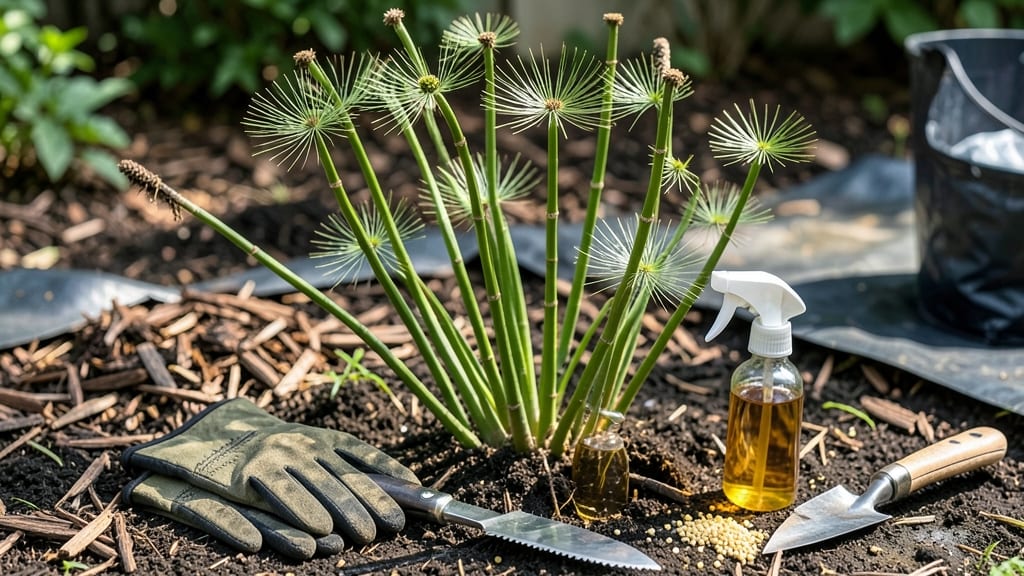
Horsetail plant control is the garden’s worst battle—once they take root, they spread like wildfire. 🌱 I've battled them for years, and the boiling water method is the fastest way to send them packing without harsh chemicals. The key is precision: hit the crown where the plant meets the soil, and you'll see those hollow stems wither within hours.
You only need a kettle, some protective gloves, and a sunny day for this method to work. Pour boiling water directly onto the plant's base, avoiding nearby plants.
For larger patches, repeat every few days until no new growth appears. It's not pretty, but it's effective—no digging, no waiting weeks for results.
What you'll end up with is a weed-free spot where you can replant your desired plants. The best part? This method works even on hard-to-reach areas like cracks in driveways or between pavers. Just be patient—some deep roots may need a second treatment.
For stubborn cases, combine this with a layer of cardboard and mulch to prevent regrowth. The secret is consistency: horsetail may look dead, but those roots can sprout again if you're not vigilant. Once you master this, you'll never let them take over again.
📚 In This Guide
- What you need
- Instructions
- Tips and common mistakes
- Wrapping up and next steps
What you need
- ● Boiling water: At least 2–3 gallons (use a large pot, kettle, or even a garden sprayer if you’re feeling fancy).
- ● Protective gear: Heavy-duty gloves (gardening or rubber) to shield from heat and sharp horsetail stems.
- ● Long sleeves/pants (horsetail fronds can be itchy!).
- ● Closed-toe shoes or boots (just in case!).
- ● Garden tools: A sharp shovel or hoe to clear debris and dig up roots (if needed).
- ● A hand trowel for precision work in tight spots.
- ● Target area prep: Clear leaves/debris around the horsetail patch (use a rake or broom).
- ○ Mark the perimeter with stakes or spray paint (optional, but helpful for large areas).
- ● A garden sprayer (for larger areas—mix boiling water with 1 tbsp vinegar or salt per gallon for extra oomph).
- ● Vinegar or salt: 1–2 cups per gallon of boiling water (speeds up desiccation).
- ● Mulch or landscape fabric: Apply after treatment to smother regrowth.
- ● A fan or hose to dry the area faster post-treatment.
How to eliminate horsetail with boiling water spot treatment
Here's my go-to method for fast, chemical-free horsetail removal that works in minutes.
💧 Step 1: Gather Your Supplies and Safety Gear
You'll need a 1-gallon pot of boiling water, a long-handled ladle or watering can, and thick gardening gloves. The gloves protect your hands from the hot water and the plant's sharp edges. I also recommend eye protection since horsetail can release irritating spores when disturbed. Work on a dry, wind-free day to prevent the boiling water from splashing back.
Fill your pot with fresh water and bring it to a full rolling boil. The water should be steaming vigorously before you pour it. I like to use a large, heavy pot because it holds more water and maintains heat longer. Keep the pot near your work area but out of reach of children or pets—this isn't a project for curious onlookers.
✂️ Step 2: Target the Horsetail Clumps Precisely
Pour the boiling water directly over the entire horsetail clump, starting at the base where the rhizomes (underground stems) grow. You'll see the plant immediately wilt and turn a sickly yellow. For larger patches, work in sections—don't drown the surrounding soil, just the horsetail itself. The goal is to kill the plant without harming your lawn or garden beds.
I like to pour in a zigzag pattern to ensure full coverage. If the horsetail is growing in cracks or tight spaces, use your ladle to direct the water precisely. You'll notice bubbles rising from the soil as the heat penetrates the rhizomes. This is a good sign—it means the treatment is working deep into the root system.
🌱 Step 3: Monitor and Repeat as Needed
After treatment, the horsetail should die back within 24-48 hours. You'll see the stems turn brown and crispy, and the plant will collapse. However, horsetail is persistent, so you may need to repeat the treatment 2-3 times over 2 weeks to fully eradicate the rhizomes. I schedule my follow-up treatments on days when the soil is dry—wet soil conducts heat differently and can reduce effectiveness.
Check the area weekly for any new growth. If you spot fresh green shoots, pour boiling water directly on them. This method is most effective in spring or early summer when the plant is actively growing. In cooler months, horsetail grows slower, and the treatment may need more frequent applications.
☀️ Step 4: Restore the Treated Area
Once the horsetail is completely dead, remove the dried stems by hand or with a rake. This prevents the plant from reseeding and makes the area look tidier. If the treated spot is in your lawn, overseed it with grass seed and cover with a thin layer of soil. For garden beds, amend the soil with compost to restore nutrients lost during treatment.
I like to water the area lightly after removing the horsetail to help new grass or plants establish. Avoid heavy foot traffic for 1-2 weeks to give the soil time to recover. With patience, the treated spot will blend back into your landscape naturally.
Tips & tricks for fast horsetail elimination
Here's what I've learned after tackling this stubborn plant—these tricks make all the difference between temporary setbacks and permanent victory.
Safety First: The boiling water method is effective, but safety can't be overstated. I always double-check my gloves fit snugly and keep a small fan nearby to clear any lingering spores from disturbed horsetail. Working on a dry, still day isn't just about effectiveness—it's about preventing accidental burns from splashing water. And here's the thing: if you're treating near pathways, warn anyone nearby to avoid the area for at least 10 minutes after treatment.
Equipment Upgrade: While a standard pot works, I've found that a heavy-duty watering can with a narrow spout gives me more control over the application. The precision lets me target those tricky rhizomes without wasting water on surrounding plants. For larger patches, consider a portable propane boiler—it maintains heat better than a stovetop pot and lets you treat multiple sections without constant reheating. Just be sure to follow manufacturer safety guidelines.
Timing Secret: Those 24-48 hours after treatment are critical. I've seen people give up too soon when they spot lingering stems. The key is patience—what looks dead might just be dormant. I mark treated areas with small flags or stakes so I don't accidentally retreat too soon. And here's a pro move: if you're treating in spring, schedule your follow-ups every 3-4 days rather than weekly. The plant's regrowth is most vulnerable during these intervals.
Restoration Hack: When restoring treated lawn areas, I've had the best results with a compost-topsoil mix (70/30 ratio) rather than pure compost. The soil helps stabilize the new grass seed while the compost provides nutrients. For garden beds, I add a slow-release fertilizer like bone meal to the compost mix—it gives new plants a head start without overwhelming them. And don't skip the light watering after planting; it helps create that crucial seed-to-soil contact.
Pro Tips for Horsetail Plant Control
- Here's what I've learned after tackling this stubborn plant—these tricks make all the difference between temporary setbacks and permanent victory.
- Safety First: The boiling water method is effective, but safety can't be overstated.
- Equipment Upgrade: While a standard pot works, I've found that a heavy-duty watering can with a narrow spout gives me more control over the application.
Frequently asked questions
about horsetail plant control—because even the toughest weeds deserve a straightforward answer!How hot should the boiling water be to kill horsetail?
Boiling water should be actively bubbling (212°F/100°C) when poured. The heat kills the plant’s cells instantly, but if the water cools too much, you’ll need to retreat. For best results, use freshly boiled water—no waiting!
When is the best time of day to treat horsetail with boiling water?
Early morning or late afternoon works best. The soil is moist (helping the water penetrate roots), and the sun isn’t scorching—reducing evaporation and protecting nearby plants. Avoid midday heat, which can harm surrounding foliage.
Will boiling water harm my lawn or garden plants?
Yes, it can! Boiling water is non-selective—it kills everything it touches. Apply it directly to horsetail only, using a shield (like a small board) to protect grass or perennials. For delicate gardens, spot-treat carefully or try vinegar first.
What if horsetail keeps growing back after treatment?
Horsetail has deep, creeping roots. If it regrows, repeat the boiling water treatment 2–3 times over 2 weeks to starve the roots. For stubborn patches, dig out the rhizomes (wear gloves!) or apply a pre-emergent herbicide in early spring.
Are there safer alternatives to boiling water for horsetail control?
Try:
- Vinegar (20–30% acetic acid): Spray directly on horsetail (avoid desirable plants). Reapply weekly for 3–4 weeks.
- Corn gluten meal: A natural pre-emergent that smothers seeds (best in early spring).
- Manual removal: Dig out roots with a weeding tool—gritty but effective for small patches.
For large areas, consider a targeted herbicide like glyphosate (follow label instructions carefully).
Wrapping up and next steps
Controlling horsetail with boiling water spot treatment is a fast, chemical-free, and effective way to reclaim your garden or lawn. 🌱 By following the steps outlined—like timing, safety, and follow-up—you’ll see results in just a few weeks. Don’t let this stubborn weed take over; take action today!
Next step: Grab your supplies, mark the areas, and start treating those pesky horsetail patches. Your yard will thank you!