
Planting
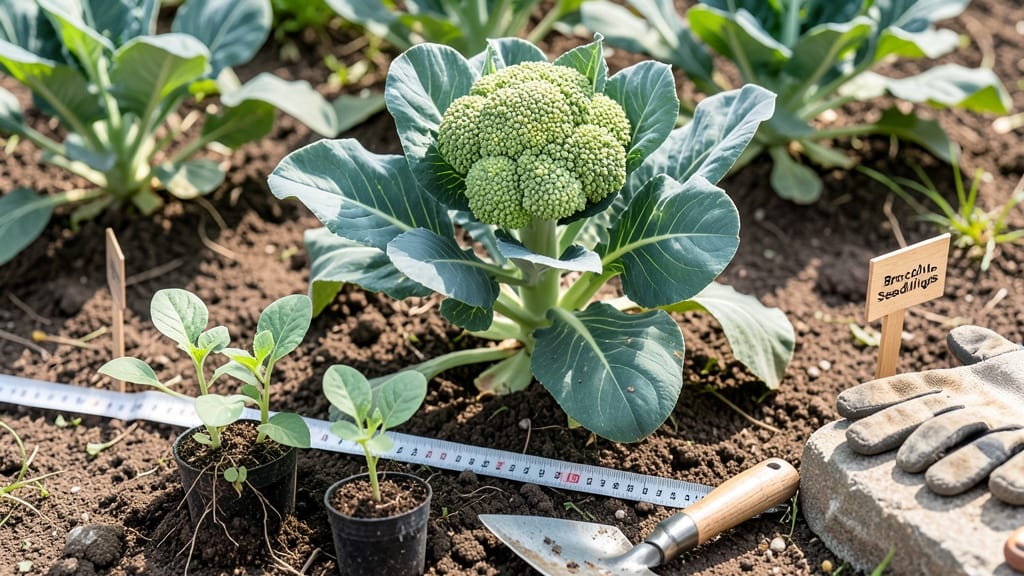
Planting broccoli too close means stunted heads and crowded leaves begging for disease. 🌱 The sweet spot? 18–24 inches apart in rows 30 inches apart—this gives plants room to stretch their sturdy stems without competing for sunlight or nutrients.
Heading varieties like 'Calabrese' need the full 24 inches, while sprouting types (like 'Broccoli Raab') can snuggle in at 18 inches. Soil matters here: loose, well-draining earth prevents root crowding, while heavy clay forces plants to fight for space.
In cooler climates (zones 3–7), wider spacing helps prevent rot from wet springs. My first year, I packed them too tight—now I swear by the 24-inch rule for those football-sized crowns we all dream of.
Containers change the game: one plant per 5-gallon pot with 12 inches of depth mimics in-ground spacing. Small plots? Stagger plants in a checkerboard pattern to maximize every square foot. The payoff? Fewer missed harvests and heads that form without struggling for air.
Here’s the hard truth: spacing isn’t just about numbers—it’s about light, airflow, and your future dinner plate. Skip this, and you’ll spend summer wrestling with leggy, disease-prone plants instead of snapping off those crisp florets. Trust the measurements.
📚 In This Guide
- What you need
- Instructions
- Tips and common mistakes
- Wrapping up and next steps
What you need
- ● Broccoli Seeds or Seedlings: Choose cool-weather varieties like ‘Calabrese,’ ‘De Cicco,’ or ‘Waltham 29’ for spring planting.
- ● Seed count: 10–20 seeds (if starting from seed) or 3–5 healthy seedlings (if transplanting).
- ● Planting Site: Full sun (6+ hours/day) or partial shade (especially in hot climates).
- ● Well-draining, fertile soil with a pH of 6.0–7.0.
- ○ Soil Amendments (Optional but Recommended): Compost (1–2 gallons per plant) for nutrients.
- ● Balanced fertilizer (e.g., 10-10-10) or organic options like fish emulsion.
- ● Planting Tools: Garden trowel or transplanting spade.
- ● Measuring tape or ruler (for spacing).
- ● Watering Supplies: Watering can, hose with gentle nozzle, or drip irrigation.
- ● Planting Window: 4–6 weeks before the last frost (typically March–April in most U.S. zones).
- ● Temperature Range: Ideal soil temp: 45–85°F (avoid planting if soil is below 40°F).
- ● Seedlings tolerate light frost (28–32°F) but not hard freezes.
- ● Spacing Guidelines: Seeds: 1–2 inches apart in rows 18–24 inches apart.
- ● Seedlings: 12–18 inches apart (check variety tags for specifics).
- ● Mulch (straw or shredded leaves) to retain moisture and suppress weeds.
- ● Row covers for frost protection or pest deterrence.
- ● Epsom salt (1 tbsp per plant) for magnesium boosts (especially in clay soil).
- ● Pest control: Neem oil or diatomaceous earth for aphids/cabbage worms.
Step-by-Step guide to proper broccoli spacing for maximum yields
Here’s how I ensure my broccoli thrives with the right spacing—no overcrowding, no wasted space.
🌱 Step 1: Understand Broccoli’s Growth Habits and Space Needs
Broccoli plants need 12-18 inches apart in rows spaced 24-36 inches apart to develop strong heads and avoid disease. The reason? Overcrowding creates poor airflow, leading to fungal issues like downy mildew. I always visualize the mature plant’s width—broccoli heads can reach 12-18 inches across, so spacing prevents competition for nutrients and light.
If growing in containers, allow at least 12 inches between plants in a 12-inch-deep pot. Smaller pots restrict root growth, resulting in smaller heads. I’ve learned the hard way—cramped broccoli plants bolt (flower prematurely) faster than those with room to stretch their roots.
☀️ Step 2: Choose the Right Location for Optimal Spacing
Broccoli thrives in full sun (6+ hours daily) but tolerates partial shade in hot climates. I plant mine where they’ll receive morning sun and afternoon shade if temperatures exceed 80°F. The right location ensures even growth—no leggy stems from stretching toward light.
For row planting, mark spacing with wooden stakes or a string line to maintain consistency. I use a 12-inch spacing template (a wooden board with marked holes) to ensure precision. This prevents uneven gaps that leave some plants overcrowded while others have too much space.
🌿 Step 3: Plant Seeds or Transplants with Precision
If sowing seeds directly, plant two seeds per hole (they’ll thin themselves) at a depth of ¼ inch, then space holes 12-18 inches apart. If using transplants, dig holes twice as wide as the root ball to encourage root spread. Press soil gently around the base—don’t compact it, or roots suffocate.
Water immediately after planting to settle the soil and remove any remaining seedlings, leaving the strongest one per spot. I always check for true leaves (second set after cotyledons) before thinning—this ensures the remaining plant has enough energy to grow.
✂️ Step 4: Monitor Growth and Adjust Spacing if Needed
After 3-4 weeks, check for crowding signs: yellowing leaves, stunted growth, or plants leaning toward each other. If you see these, gently transplant the weakest plants to a new location, 12 inches away from the nearest plant. Broccoli handles this better than most vegetables.
For container gardens, rotate pots a quarter turn weekly to prevent leaning toward light. This keeps plants upright and maximizes head size. Watch for pest pressure—overcrowded plants attract cabbage worms faster, so proper spacing reduces this risk.
💧 Step 5: Maintain Spacing Through the Growing Season
Keep soil consistently moist (1 inch deep) but never soggy—broccoli roots need oxygen. Mulch with 2-3 inches of straw or shredded leaves to retain moisture and suppress weeds that compete for space. I always leave a 2-inch gap between mulch and stems to prevent rot.
Harvest the main head when it’s 6-8 inches wide and tight, then watch for side shoots (child crowns) that’ll develop in the axils. These smaller heads benefit from the same spacing rules—don’t let them grow too close to the main stem or each other.
Tips & tricks for perfect broccoli spacing
Common pitfalls—and how to sidestep every one when planting broccoli.
Visualizing Mature Plants: Before planting, sketch your garden layout on paper, marking the 12-18 inch spacing between plants and 24-36 inch row spacing as specified. I use colored pencils to differentiate plant types—this helps prevent accidental overcrowding when adding other vegetables later. The key is imagining those 12-18 inch wide heads at full maturity; what looks spacious now will feel tight later.
Container Gardening Hack: For container growers, use the "one plant per 12-inch pot" rule—but here's the trick: if you're planting multiple broccoli in one large container (like a 24-inch planter), divide it into quadrants and place one plant per quadrant. This mimics row spacing while maximizing space. I've found that broccoli in containers actually benefits from slightly closer spacing (10-12 inches) because the roots can't spread as widely as in garden beds.
Thinning Strategy: When you plant two seeds per hole (as in Step 3), wait until both seedlings have true leaves before thinning. The stronger seedling will have larger, darker green leaves and a more robust stem. Don't pull seedlings by hand—use clean scissors to snip at soil level to avoid disturbing the remaining plant's roots. This method reduces transplant shock for the survivor.
Heat Management: If your spring temperatures exceed 80°F (as mentioned in Step 2), consider using shade cloth (30-50% coverage) during the hottest afternoon hours. Broccoli grows best between 60-70°F, and excessive heat accelerates bolting. I've had success with floating row covers that provide shade while still allowing sunlight through—just remove them in the morning to prevent overheating.
Pro Tips for How Close To Plant Broccoli
- Common pitfalls—and how to sidestep every one when planting broccoli.
- Visualizing Mature Plants: Before planting, sketch your garden layout on paper, marking the 12-18 inch spacing betwee...
- Container Gardening Hack: For container growers, use the "one plant per 12-inch pot" rule—but here's the trick: if yo...
Frequently asked questions
about planting broccoli—because every gardener deserves a little clarity before diving in!What’s the best temperature range for planting broccoli?
Broccoli thrives in cool weather, ideally between 45°F and 85°F (7°C–29°C). Plant seeds when soil temps are 40°F–50°F (4°C–10°C) for spring or 60°F–70°F (15°C–21°C) for fall. Avoid hot summers—broccoli bolts (goes to seed) when stressed by heat!
How far apart should broccoli plants be spaced?
Space broccoli plants 18–24 inches apart in rows (or 24–36 inches for larger varieties). This gives them room to grow without crowding, which reduces disease risk and improves air circulation. Tight spacing? Expect smaller heads and more pests.
Can I plant broccoli too close to other vegetables?
Yes! Broccoli is a heavy feeder, so avoid planting it near tomatoes, peppers, or cabbage family plants (like Brussels sprouts) to prevent nutrient competition. Instead, pair it with onions, lettuce, or radishes—they’re happy neighbors!
What if my broccoli bolts before harvest?
Bolting (premature flowering) happens when broccoli gets too hot or stressed. To delay it: plant in partial shade, use shade cloth, or choose heat-tolerant varieties like ‘Waltham 29’ or ‘De Cicco’. Once bolted, harvest side shoots for smaller greens!
How soon can I harvest after planting?
Broccoli takes 8–10 weeks from transplanting to harvest (or 10–12 weeks from seed). Check heads when they’re firm, tight, and 4–8 inches wide. Harvest early for tender stalks or wait for full heads—just don’t delay too long, or they’ll turn bitter!
Wrapping up and next steps
Planting broccoli is a rewarding way to enjoy fresh, nutrient-packed harvests—especially when you time it right for cool weather! 🌱 By following these steps, you’ll set your plants up for success, whether you’re a seasoned gardener or just starting out. Now that you know how close to plant broccoli and the best practices for spacing, soil, and care, it’s time to roll up your sleeves and get growing! Grab those seeds, mark your calendar for the ideal planting window, and watch your garden transform into a vibrant, edible oasis. Happy planting—your future meals (and bragging rights) will thank you!