
Planting
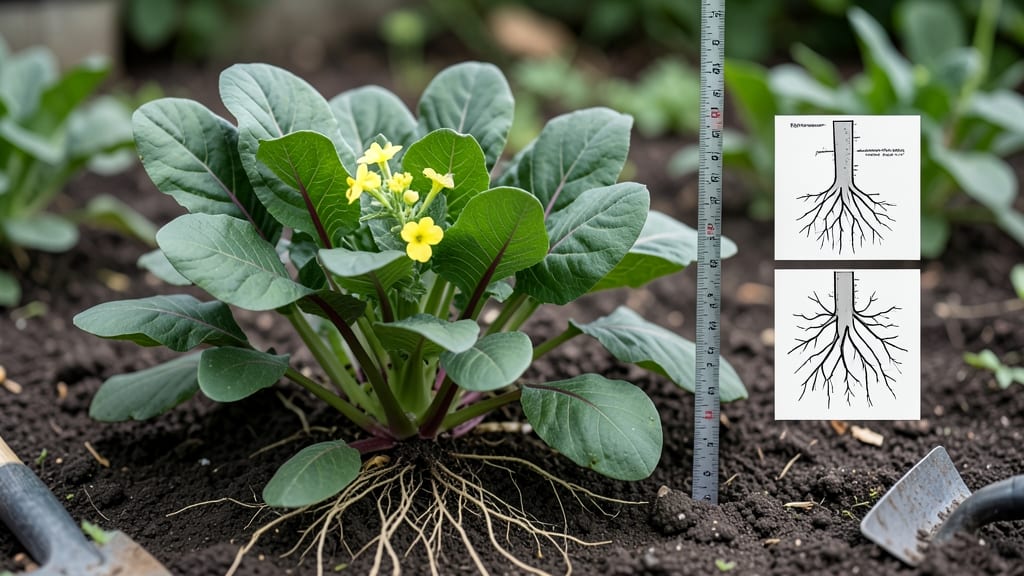
Mustard greens 🥬 grow roots that stay surprisingly shallow — typically just 6 to 12 inches deep — which means planting them too deep can slow down your harvest or even kill the plant.
If you’ve ever waited weeks for your mustard greens to mature, only to watch them bolt or wilt, you’re not alone. The key to fast, flavorful harvests lies in understanding how shallow their roots really are and how that affects planting depth, drainage, and soil health.
Most gardeners overestimate how deep these greens need to go, but the truth is, mustard greens thrive when planted just ¼ inch deep for seeds or 1 to 2 inches for transplants. This shallow approach ensures their delicate roots get the oxygen and moisture they need to grow quickly.
In this guide, I’ll break down the ideal planting depth, how to adjust for containers or heavy soil, and 3 pro tips to maximize your yield without overcomplicating the process. Let’s get those greens growing fast!

Mustard greens root depth explained: how deep should you plant?
Mustard greens develop a shallow but fibrous root system that typically reaches 6-12 inches deep at maturity. Unlike deep-rooted vegetables like carrots, their roots spread wide rather than growing long, which is why planting too deep can suffocate them.
The key is mimicking their natural growth pattern in your garden beds or containers.
When you plant mustard greens seeds ¼ inch deep, you’re giving their delicate roots the perfect starting point. Transplants, on the other hand, should sit just 1-2 inches below soil level—any deeper, and you risk stunted growth or even rot.
This shallow approach ensures their roots can quickly access moisture and nutrients without struggling to break through compacted soil.
The root structure of mustard greens is a game-changer for fast harvests. Their roots form a dense network just beneath the surface, allowing them to absorb water and nutrients efficiently.
Compare this to spinach or lettuce, which have even shallower roots (often 3-6 inches deep), or kale, whose roots can reach 12-18 inches. Mustard greens strike a balance, making them ideal for small spaces and containers.
Soil type plays a huge role in how deep mustard greens roots grow. In sandy soil, their roots may spread wider but stay shallower (closer to 6 inches deep), while clay soil can restrict root growth unless amended with compost.
Loamy soil—rich in organic matter—is ideal, allowing roots to reach their full 12-inch potential while staying healthy.
If you’re growing mustard greens in containers, aim for pots at least 6 inches deep to accommodate their root depth. Shallow pots (like those under 4 inches deep) will stunt growth, as roots will hit the bottom too soon.
For in-ground planting, focus on loosening the top 6 inches of soil to encourage root expansion horizontally rather than vertically.
One common mistake gardeners make is over-deepening seeds in hopes of stronger plants. But mustard greens need light to germinate, so burying them too deep (over ½ inch) can delay or prevent sprouting.
The ¼-inch rule applies to both seeds and transplants—just enough to cover them lightly while keeping them accessible to sunlight.
For succession planting, take advantage of mustard greens’ shallow roots by sowing new seeds every 2-3 weeks in the same spot. Their quick growth cycle (just 30 days to harvest) means you can maximize space without overcrowding.
Just ensure each batch gets planted at the correct depth to avoid competition for nutrients.
When harvesting, focus on outer leaves first to avoid damaging the shallow root system. Cutting too close to the base can expose roots to air and moisture loss, slowing regrowth.
Mustard greens are resilient, but their shallow roots need protection—especially in hot, dry conditions where soil can crack and dry out quickly.
To boost root development, mix in compost or aged manure before planting. This improves soil structure, helping roots spread efficiently. Avoid heavy fertilizers early on, as they can encourage leafy growth at the expense of root strength.
A balanced approach—light feeding every 4-6 weeks—keeps roots healthy without overwhelming the plant.
Understanding mustard greens’ root depth isn’t just about planting correctly—it’s about creating the perfect environment for their fast, flavorful growth. With the right soil, depth, and care, you’ll harvest vibrant greens in record time, ready to enjoy or share with
Best planting depth for mustard greens: step-by-step guide
Mustard greens thrive with shallow roots that spread horizontally rather than diving deep. Their roots typically grow 6-12 inches deep, but proper planting depth ensures faster germination and healthier growth. For seeds, aim for just ¼ inch deep—any deeper and they’ll struggle to break through the soil.
When transplanting young seedlings, bury them no deeper than 1-2 inches. The soil line on the stem should remain visible above ground. This prevents stem rot and encourages strong root development. Over-deepening is a common mistake that can suffocate your plants.
⚠️ Warning: Over-Planting Risks
Mustard greens' roots grow only 6-12 inches deep. Planting seeds deeper than ¼ inch or burying transplants below 1-2 inches restricts root expansion, causing stunted growth. In heavy clay soil, roots may suffocate entirely, leading to yellowing leaves or death.
For optimal spacing, place seeds 1 inch apart in rows spaced 12-18 inches apart. Thin seedlings to 4-6 inches apart once they reach 2 inches tall. This spacing prevents overcrowding, which competes for nutrients and increases disease risk in damp conditions.
If you accidentally plant seeds too deep, don’t panic. Gently loosen the soil around them with your fingers and reposition the seeds closer to the surface. Water lightly to settle the soil without disturbing the roots further. This mid-season fix often saves struggling seedlings.
Container gardening requires extra attention. Use well-draining soil mixes and plant seeds ¼ inch deep in pots at least 6 inches deep. Shallow containers limit root growth, so choose wider pots over deeper ones to encourage horizontal root spread.
Always check soil moisture before planting. Well-draining soil prevents waterlogged roots, which can rot even shallow-rooted mustard greens. Amend heavy soil with compost to improve aeration, ensuring roots access oxygen and nutrients efficiently.