
Planting
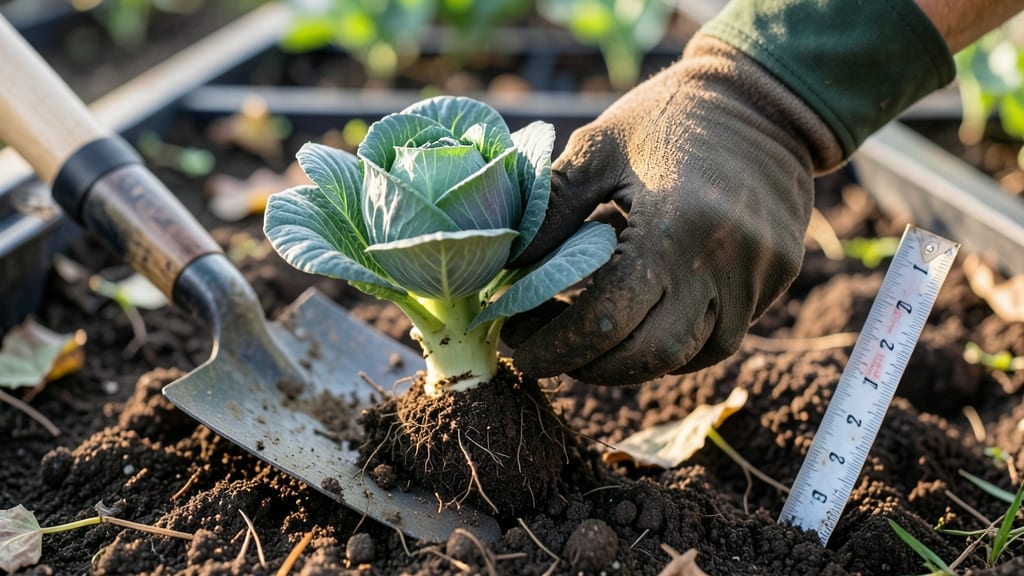
Planting cabbage plants at the right depth is the secret to strong roots and a bountiful harvest—too deep, and they rot; too shallow, and they struggle to stand.
If you’ve ever watched your 🥬 cabbage seedlings wilt or rot before they even get a chance to grow, you know how frustrating it can be.
The good news? Getting the soil depth right is simpler than you think—and it makes all the difference in how quickly your plants take off.
Most gardeners aim for 1/4 to 1/2 inch deep for seeds, but transplants need a slightly different approach. Below, I’ll break down the exact depth for your soil type, how to adjust for clay or sandy ground, and the one mistake that kills more cabbage starts than anything else.
By the end, you’ll know exactly where to place those roots for a head start on a thriving crop—no guesswork involved.

The perfect cabbage planting depth: expert guidelines for healthy growth
When planting cabbage, the root crown placement is everything. Too deep, and you risk rotting stems from excess moisture. Too shallow, and your plants struggle to establish stable roots.
The ideal planting depth for cabbage is 1/4 to 1/2 inch below soil level for seeds, and just enough to cover the root ball for transplants. This ensures strong, healthy growth from day one.
Cabbage thrives when its root crown sits at or just below soil level. For seedlings, press seeds lightly into the soil—no need to bury them deep.
For transplants, dig a hole wide enough to accommodate the roots, then place the plant so the base of the stem is level with the soil surface. This balance prevents stem rot while encouraging root expansion.
| Planting Method | Ideal Depth | Key Notes |
|---|---|---|
| Seeds | 1/4 inch deep | Lightly press into soil; don’t cover heavily |
| Transplants (Seedlings) | Root ball covered, crown at soil level | Avoid burying stem; use loose soil |
| Direct-Sown Seeds (Cold Climates) | 1/2 inch deep | Warmer soil helps germination in cooler regions |
| Container-Grown Cabbage | 1/4 inch deep (seeds) or root ball flush with rim | Ensure drainage holes; use well-draining mix |
Soil type plays a critical role in determining the perfect planting depth. In sandy soil, which drains quickly, you can plant slightly deeper—up to 1/2 inch for seeds—to retain moisture.
Conversely, in clay soil, where water pools, keep seeds closer to the surface (1/4 inch) to prevent overwatering and rot.
For transplants, the rule is simple: root ball covered, crown visible. If you bury the stem too deep, it can rot. If it’s too high, the plant may topple or dry out.
Use your finger to gauge depth—press the soil gently around the base to secure the plant without smothering it.
Regional adjustments are key. In hot climates (USDA Zones 8-10), plant cabbage slightly deeper (1/2 inch) to protect roots from drying out. In cooler zones (Zones 3-6), stick to 1/4 inch for seeds to avoid cold damage.
Always check your local last frost date and plant after all danger has passed.
After planting, water thoroughly to settle the soil around the roots. Avoid overwatering immediately after planting, as soggy soil can suffocate roots. Instead, aim for 1-2 inches of water per week, adjusting for rainfall. Mulch with straw or shredded leaves to retain moisture and regulate soil temperature.
Watch for signs of stress like yellowing leaves or stunted growth, which may indicate incorrect planting depth. If your cabbage looks weak, gently loosen the soil around the base and adjust the depth if needed.
For transplants, you can even dig up and replant if the crown isn’t at soil level.
For container gardening, ensure pots have drainage holes and use a well-draining mix. Plant seeds 1/4 inch deep and keep containers in a sunny spot. Transplants should sit with their root ball flush with the rim of the pot to prevent root binding.
Remember, the root crown is your guide. It should never be buried under soil—always keep it visible or just below the surface. With the right depth, your cabbage will grow stronger roots, resist disease, and produce bigger, healthier heads for your harvest.
Adjusting planting depth for soil types: clay, sandy, and loamy soil solutions
Your cabbage plants thrive when planted at the right depth, but soil type plays a huge role. Clay soil holds too much moisture, while sandy soil drains too quickly—both can stunt root growth if you don’t adjust.
Loamy soil, the gold standard, offers balance but still needs fine-tuning for cabbage’s needs. Let’s dive into how to tweak planting depth for each soil type to give your cabbage the perfect start.
The ideal planting depth for cabbage is typically 1/4 to 1/2 inch for seeds or slightly deeper for transplants. However, this changes based on your soil. In clay soil, roots struggle to breathe, so plant shallower (just 1/4 inch) to encourage upward growth.
In sandy soil, roots need more depth (up to 1 inch) to anchor and retain moisture. Loamy soil falls right in the middle, making it the easiest to work with.
| Soil Type | Planting Depth | Adjustments Needed | Soil Amendments |
|---|---|---|---|
| Clay Soil | 1/4 inch (shallow) | Loosen soil; avoid compacting roots | Add compost/sand |
| Sandy Soil | 1 inch (deep) | Water deeply after planting | Mix in peat moss |
| Loamy Soil | 1/2 inch (standard) | None needed | Add compost for nutrients |
If your soil is heavy clay, don’t just plant shallow—amend it first. Work in 2-3 inches of compost or coarse sand to improve drainage.
For sandy soil, mix in peat moss or coconut coir to help retain moisture. Loamy soil is forgiving, but adding a 1-inch layer of compost before planting ensures nutrients are readily available for your cabbage’s roots.
Another trick? Use raised beds for extreme soil types. They let you control the soil mix perfectly. Fill with a 50/50 blend of topsoil and compost for ideal conditions. This method also helps with drainage in clay and moisture retention in sand, giving your cabbage the best of both worlds.
After planting, monitor the soil’s moisture. Clay soil can stay soggy, so avoid overwatering—stick to 1 inch per week. In sandy soil, water deeply every 2-3 days to encourage roots to grow downward.
Mulch with straw or shredded leaves to stabilize soil moisture and temperature, regardless of soil type.
Remember, the goal is strong root development. Adjusting depth based on soil type isn’t just about following rules—it’s about giving your cabbage the best chance to thrive. With these tweaks, you’ll see healthier plants, bigger heads, and a harvest you’ll be proud of. Happy planting! 🌱