
Planting
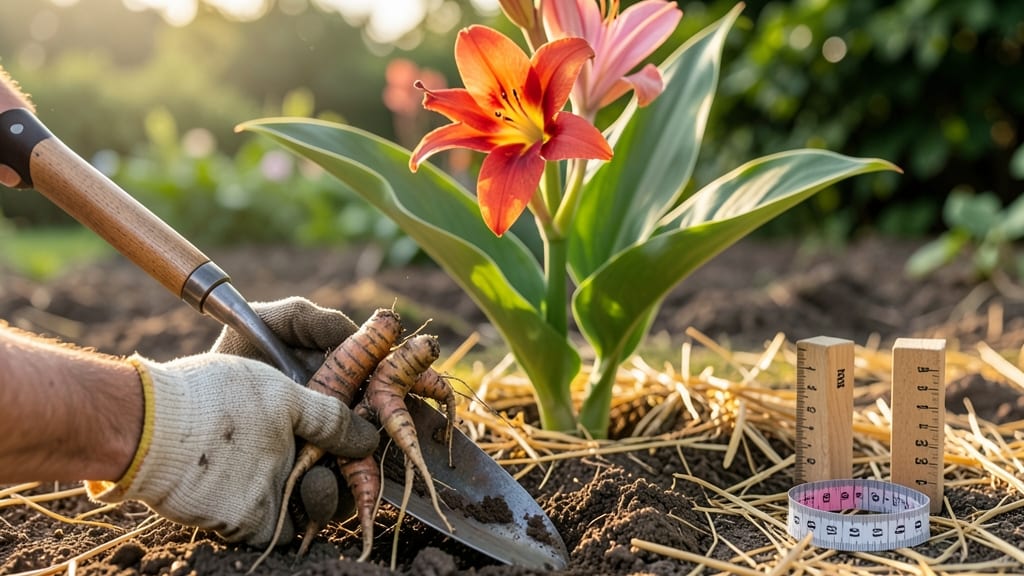
To plant canna bulbs the right distance apart means the difference between stunning, towering blooms and a garden full of stunted, crowded stems.
Struggling to get your canna lilies 🌺 to reach their full, dramatic potential? The secret isn’t just in the soil or sunlight—it’s in the spacing. Plant them too close, and you’ll end up with stunted stems and fewer blooms.
Get it right, though, and you’ll unlock those vibrant canna plants every gardener dreams of.
Most gardeners assume one size fits all when it comes to spacing, but canna lilies vary wildly in size—from dwarf varieties that stay under 3 feet to giants that shoot up to 7 feet.
That means your spacing should change based on the type you’re growing, your climate, and even whether you’re planting in the ground or a container.
In this guide, I’ll break down the exact spacing you need for each canna type, how to adjust for your garden’s conditions, and pro tips to avoid overcrowding while maximizing those show-stopping blooms.

Optimal canna bulb spacing by variety and growing conditions
Getting the canna bulb spacing right transforms your garden from a patchy display to a stunning tropical spectacle. These dramatic plants thrive when given room to develop their bold foliage and towering blooms, but too much space wastes potential.
The key lies in matching your canna variety with your garden's unique conditions—whether it's a sun-drenched border or a container on your patio.
I’ve planted cannas for over a decade, and I’ve learned that one-size-fits-all spacing doesn’t work. Dwarf varieties like 'Pyramid' need half the room of giants like 'Australia', while climate zones and soil types further tweak the formula.
Let’s break down the science—and my real-world tips—to help you space cannas like a pro for maximum impact.
Why spacing matters: Canna bulbs (technically rhizomes) multiply underground each year. Crowd them, and you’ll get skinny stems, fewer blooms, and disease risks. Give them room, and they’ll reward you with thicker stems, bigger leaves, and more vibrant flowers. Think of it like giving your cannas their own personal space to stretch and shine.
Pro Tip: Always plant canna rhizomes 3-4 inches deep—this prevents them from drying out while giving roots room to anchor. The real variable? The distance between plants, which we’ll tackle next with this comparison table tailored to your growing setup.
| Canna Type | In-Ground Spacing | Container Spacing | Notes |
|---|---|---|---|
| Dwarf Varieties ('Pyramid', 'Hawaiian Sunset') | 12-18" | 1 rhizome per 5-gallon pot | Ideal for borders; mulch heavily to retain moisture. |
| Standard Varieties ('Durban', 'Cleopatra') | 18-24" | 1 rhizome per 7-gallon pot | Best for mid-border planting; stake taller varieties. |
| Giant Varieties ('Australia', 'Tropicana') | 24-36" | Not recommended for containers | Plant in groups of 3-5 for dramatic effect; requires staking. |
| Shade-Tolerant Varieties ('Striped Realm') | 18" | 1 rhizome per 5-gallon pot | Space closer in partial shade; supplement with artificial light if needed. |
| Clay Soil Adjustments | +6" to spacing | Use raised beds | Amend with compost; avoid waterlogging. |
| Sandy Soil Adjustments | -6" to spacing | Add peat moss | Water deeply 2x/week; mulch to retain moisture. |
Your climate zone plays a surprisingly big role in spacing. In USDA Zones 8-10, where cannas thrive year-round, you can space them slightly closer (e.g., 18" for standard varieties) because their longer growing season lets them recover from competition.
But in Zones 6-7, where frosts threaten, I recommend adding 6 extra inches to spacing to give plants a buffer for slower early-season growth.
Container gardeners often ask about canna bulb spacing in pots. The rule is simple: one rhizome per 5 gallons of soil for dwarf varieties, and double the pot size for standard types.
Giant cannas? Skip containers entirely—they’ll outgrow even the largest pots within a season. Pro move: Use fabric grow bags for better drainage and root aeration.
Don’t overlook sunlight exposure when spacing. In full sun areas (6+ hours daily), cannas grow aggressively—space them at the maximum recommended distance. But in partial shade (3-6 hours of sun), you can reduce spacing by 25% since growth will be more controlled.
Just be prepared for slightly fewer blooms in shadier spots.
For small gardens or urban spaces, try this trick: Plant 3 dwarf cannas in a triangular formation just 12" apart. Their overlapping foliage creates a lush, full look while keeping stems sturdy. Pair them with low-growing companions like coleus or sweet potatoes to fill gaps without competing for space.
Finally, remember that canna rhizomes multiply each year. What starts as a single bulb can become a clump of 5-10 by fall. Plan for this by leaving extra space between rows (3-4 feet) if you’re planting multiple varieties. This makes future division and transplant
Common spacing mistakes that stunt canna growth (and how to Fix them)
Even with rich soil and perfect sunlight, canna lilies can still underperform if spacing is off. I’ve seen beautiful cannas struggle because of one simple mistake: overcrowding.
When bulbs compete for nutrients and air circulation, they produce weak stems and sparse blooms instead of those dramatic, towering spikes we all love.
Let me share the five most common spacing mistakes and how to correct them before your next planting season. These fixes will help your cannas reach their full potential—5 to 7 feet tall—with vibrant blooms that turn heads in your garden.
⚠️ WARNING: The #1 Spacing Mistake
Planting canna bulbs too close (less than 12 inches apart) forces them to compete for nutrients, stunting growth and reducing blooms by up to 40%. Standard spacing should be 12-18 inches apart for dwarf varieties and 18-24 inches for giant cannas.
💡 Fix: Measure your bulbs before planting. Large rhizomes (3+ inches wide) need 24 inches of space.
Mistake #1: Ignoring bulb size is the first error I see. Many gardeners treat all canna bulbs the same, but rhizome size directly impacts spacing needs. A small bulb (2 inches wide) only needs 12 inches of space, while a large bulb (4+ inches) requires 24 inches to avoid competition.
Mistake #2: Uneven spacing creates weak spots in your garden layout. When bulbs are clustered in one area, they crowd each other while leaving gaps elsewhere. Solution: Use a string or garden twine to mark rows 18 inches apart before planting, ensuring consistent spacing for airflow and sunlight.
Mistake #3: Planting too deep (below 3-4 inches) can suffocate bulbs, slowing growth. Dig holes just deep enough so the top of the rhizome sits 1 inch below soil level. This ensures proper root development while preventing rot.
Mistake #4: Skipping pruning in overcrowded areas leads to tangled stems and fewer blooms. If your cannas are already too close, prune back the tallest stems by one-third in early summer. This redirects energy to remaining stems, producing bigger, healthier blooms.
Mistake #5: Not transplanting crowded plants is a missed opportunity. If your cannas are already too close, dig up the smallest, weakest bulbs and replant them 12-18 inches away from the main cluster. This gives them room to grow without competing for resources.
Remember, proper spacing isn’t just about aesthetics—it’s about giving your cannas the room they need to thrive. With these fixes, you’ll see stronger stems, more blooms, and healthier plants next season. Happy planting! 🌺