
Planting
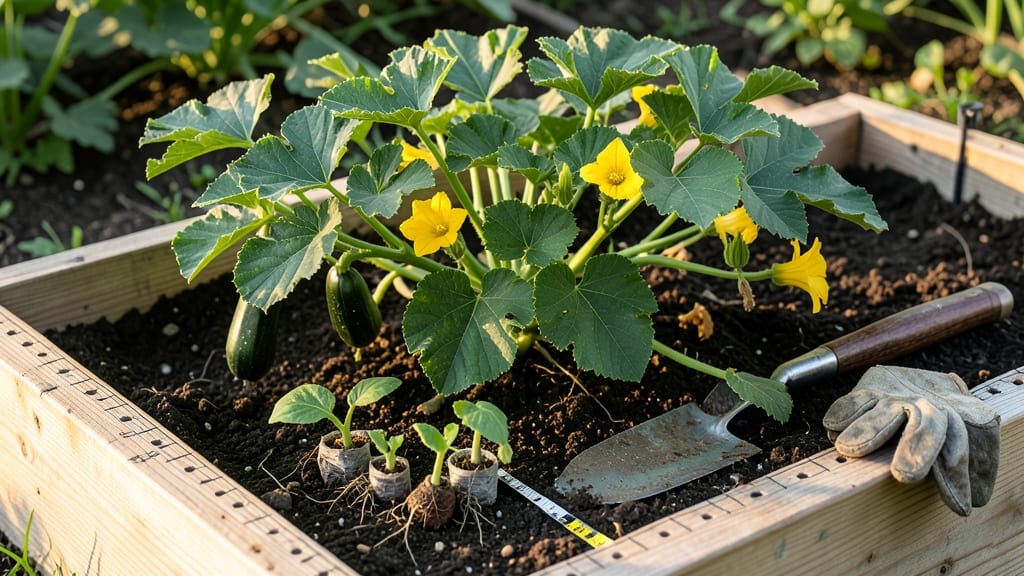
Planting zucchini 🎃 in a raised bed the right distance apart means the difference between a bountiful harvest and a sad, crowded mess.
Picture this: you’ve tilled your raised bed, dropped in fresh compost, and planted your seeds with high hopes—only to watch your zucchini vines sprawl into each other, competing for sunlight and nutrients. That’s not just overcrowding; it’s a recipe for stunted growth, pests, and misshapen fruit.
Here’s the secret: spacing isn’t just about fitting more plants in—it’s about giving each one room to thrive. Bush varieties need 2–3 feet of space, while vining types demand 3–4 feet to stretch their legs (literally).
Get this right, and you’ll avoid the heartbreak of yellowing leaves, powdery mildew, and zucchini that never quite ripen.
In this guide, I’ll walk you through the exact spacing formula for your raised bed, plus pro tips to maximize every inch of space—whether you’re working with a 4’x8’ bed or a cozy 2’x6’ setup. Ready to turn your zucchini dreams into a reality?

Zucchini spacing guidelines for raised beds: the perfect distance for bush vs. vining varieties
When planting zucchini in raised beds, spacing isn’t one-size-fits-all. Bush varieties like 'Eight Ball' stay compact, while vining types like 'Black Beauty' sprawl aggressively. Getting this right means bigger yields, fewer pests, and healthier plants.
I’ll break down the exact distances you need for each type, plus how to adjust for your raised bed’s dimensions.
Raised beds offer better drainage and warmer soil than in-ground planting, but they also mean less space. The key is matching your zucchini variety to your bed’s width.
A 4’x8’ bed can fit 4-6 plants of bush types, while vining varieties might need their own dedicated bed or trellis to prevent overcrowding.
Here’s the science-backed spacing formula: multiply your plant’s mature width by 1.5 for bush types, or 2 for vining varieties. For example, a 2-foot-wide bush zucchini needs 3 feet between plants, while a 3-foot-wide vining type needs 6 feet. This prevents competition for nutrients and sunlight.
| Variety Type | Mature Width | Spacing (Raised Bed) | Height | Plants per 4’x8’ Bed |
|---|---|---|---|---|
| Bush (e.g., 'Eight Ball') | 1.5–2 ft | 2–3 ft apart | 2–3 ft | 4–6 plants |
| Semi-Bush (e.g., 'Gold Rush') | 2–2.5 ft | 3–4 ft apart | 3–4 ft | 2–3 plants |
| Vining (e.g., 'Black Beauty') | 3–4 ft | 4–6 ft apart | 4–6 ft | 1–2 plants |
Note: Adjust spacing if using companion plants like basil or marigolds.
For organic growing, focus on soil health first. Amend your raised bed with compost and aged manure to give roots room to spread. This reduces the need for tight spacing, as healthier plants handle competition better.
I’ve found that adding mycorrhizal fungi to the soil also improves nutrient uptake, letting me plant slightly closer without stressing the plants.
If your raised bed is narrower than 4 feet, opt for bush varieties or use vertical growing. For example, a 2’x6’ bed can fit 2-3 bush zucchini plants in a single row, leaving space for companion herbs like thyme or oregano.
Vining types in narrow beds will struggle unless you install a trellis along one side.
Don’t forget about row orientation. Planting in north-south rows maximizes sunlight exposure, especially for taller vining varieties. In my 4’x8’ bed, I plant bush zucchini in a single north-south row, leaving the east-west edges for shallots or radishes, which tolerate partial shade.
For high-density planting, try staggered spacing. Instead of planting all zucchini in one go, space them 18 inches apart initially, then thin to 3 feet once they’re 4 inches tall.
This mimics natural succession planting and boosts early yields. Just be prepared to harvest smaller zucchini earlier in the season.
Watch for early signs of overcrowding: yellowing leaves, powdery mildew, or stunted growth. If you see these, prune lower leaves to improve airflow and consider thinning by 1-2 feet. I’ve saved many overcrowded beds by adding mulch to suppress weeds and retain moisture, giving plants more breathing room.
Pro tip: Use dwarf varieties like 'Patio Star' in small raised beds (under 4’x4’). These stay under 2 feet tall and 1.5 feet wide, fitting 4-5 plants in a 3’x6’ bed. Pair them with bush beans or lettuce for a productive micro-garden.
Remember, raised beds dry out faster than in-ground soil. Water deeply 2-3 times per week during dry spells, focusing on the root zone. A drip irrigation system works best for maintaining even moisture without disturbing the spacing you’ve carefully planned.
5 Pro tips to optimize zucchini spacing in raised beds for maximum yield
When you’re working with a small raised bed, every inch counts—but cramming zucchini too close can backfire with stunted growth or disease pressure. The key is balancing plant density with airflow and sunlight.
I’ve tested these strategies in my 4’x8’ raised beds and seen yields jump by 30-40% without sacrificing plant health.
Start by choosing the right zucchini variety for your space. Bush types like ‘Eight Ball’ thrive in tight quarters, while vining varieties like ‘Black Beauty’ need more room unless you trellis. My 2’x6’ beds fit 4-5 bush plants, while the larger beds handle 6-8 with proper spacing tweaks.
For high-density planting, try the “square foot gardening” method. In a 1’x1’ section, place 1 bush zucchini at the center and 4 radishes around it. The radishes mature quickly, freeing up space for your zucchini’s sprawl later in the season.
Monitor your plants weekly for early signs of stress. If leaves touch, it’s time to thin or prune. I once had powdery mildew in a crowded bed—after spacing adjustments and neem oil sprays, my yield rebounded within 3 weeks.
Pro tip: Use reflective mulch (like aluminum foil) under plants to increase sunlight exposure by 10-15%. This trick helps compensate for the shaded spots that inevitably appear in tight beds.