
How To
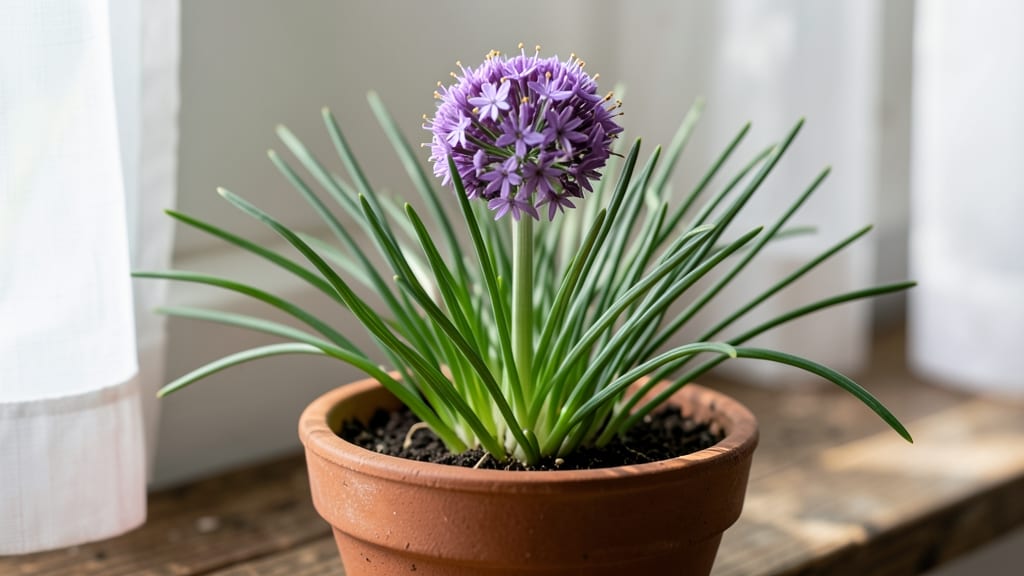
To get the most chives per square foot, aim for 9 to 12 plants spaced 4 to 6 inches apart—this balance maximizes flavor, growth, and easy harvesting.
Struggling to maximize your chive harvest without overcrowding? The right spacing can mean the difference between a few snips and a continuous supply of fresh green onions—here’s the science-backed math to get it right.
Chives thrive in full sun and well-draining soil, but their root spread and leaf density change as they mature. Too close, and you’ll stunt growth; too far, and you’ll waste precious garden real estate.
Below, I’ll break down the ideal spacing for heavy vs. light harvests, how to adjust for containers, and companion plants that boost both yield and aesthetics.
You’ll also discover how to salvage overcrowded patches, when to fertilize for longer harvests, and why spring planting in Zone 6a gives you the biggest edge. Let’s turn your chive patch into a year-round green-onion powerhouse.
Optimal chive spacing for square foot planting: math and plant biology
Chives are one of those versatile herbs that thrive with just the right amount of space. Unlike bulky vegetables, chives grow in tight clumps with shallow but fibrous roots, making them perfect for square foot gardening.
The ideal spacing of 4-6 inches apart balances their need for airflow with your goal of maximizing yield per square foot.
This spacing isn’t arbitrary—it’s rooted in plant biology. Chives develop a clumping growth habit, meaning they spread outward rather than upward.
Their root spread typically reaches 3-4 inches in diameter at maturity, so giving them 4-6 inches of space prevents competition for nutrients while allowing you to fit 9-16 plants per square foot depending on your harvest goals.
Here’s the science: Chives grow best when their leaf blades don’t overlap excessively. Overcrowding leads to disease risk (like fungal issues) and reduced flavor intensity. The 6-inch spacing is ideal for heavy harvests, while 4-inch spacing works for light use—think window boxes or decorative borders.
Now, let’s talk soil depth. Chives have shallow roots (only 6-8 inches deep), so they don’t need deep soil. A 6-inch-deep bed is perfect for them, whether in raised beds or in-ground plots. This depth supports their root system while keeping the soil loose and well-aerated.
| Spacing Goal | Plants per Square Foot | Best For | Yield Notes |
|---|---|---|---|
| 4 inches apart | 16 plants | Light harvests, borders, window boxes | Slower growth, smaller leaves |
| 5 inches apart | 10 plants | Balanced use, small families | Moderate yield, ideal flavor |
| 6 inches apart | 9 plants | Heavy harvests, culinary use | Max yield, largest leaves |
For a 10x10-foot garden bed, this math translates to 90-160 chive plants at optimal spacing. If you’re growing chives for culinary use, aim for 6-inch spacing—this gives you the best leaf size and flavor while still maximizing your harvest.
Meanwhile, 4-inch spacing is great for decorative purposes or if you’re combining chives with other herbs in a mixed border.
Pro tip: Chives are perennial in most climates, so once planted, they’ll regrow year after year. This means your initial spacing decisions will impact your harvests for years to come.
If you’re tight on space, consider interplanting chives with slower-growing herbs like thyme or oregano, which won’t compete for sunlight early in the season.
Let’s address a common question: Can I plant chives closer than 4 inches? Yes, but with caveats. For microgreen-style chives (harvested young), you can space them 2-3 inches apart—this gives you a dense, fast harvest of small leaves.
However, these plants will outgrow their space quickly, so thin them to 4-6 inches once they mature if you want long-term productivity.
Finally, remember that soil quality plays a role in how much space chives need. In rich, well-draining soil, chives can handle slightly tighter spacing because they won’t compete as fiercely for nutrients.
Amend your soil with compost or aged manure before planting to ensure your chives have the best start possible.
With the right spacing, your chives will reward you with continuous harvests all season long—no overcrowding, no wasted space, just fresh green onions at your fingertips. Happy planting! 🌿✂️
Adjusting chive density for different harvest needs: light vs. heavy use
Chives are versatile little plants that can thrive whether you need a few snips for garnishes or a full harvest for cooking. The key lies in adjusting their density based on your harvest needs and growing conditions.
For light use, like occasional garnishes, you can space them 6 inches apart—this gives them room to grow without competition. But if you're planning for heavy use, like regular meals or selling microgreens, tighter spacing of 3 inches apart will maximize your yield per square foot.
Seasonal changes also play a role. In spring and summer, when growth is rapid, you might start with tighter spacing to take advantage of the longer daylight.
However, as plants mature and roots spread, you’ll need to thin them out to prevent overcrowding. Winter gardening presents a different challenge—chives grow slower, so maintaining standard spacing ensures they have enough energy to regrow in the next season.
Container gardening changes the game entirely. In pots, chives can handle closer spacing (2-3 inches apart) because their roots are confined. Just ensure your container has drainage holes and is at least 6 inches deep to accommodate their root system.
For companion planting, like pairing chives with carrots or tomatoes, standard spacing works best to avoid shading out slower-growing plants.
If you're growing chives for microgreens, the spacing gets even tighter—1-2 inches apart—but this is only viable for a short-term harvest. Microgreens are harvested just above soil level, so dense planting ensures you get a quick, abundant yield before the plants mature.
For long-term harvests, like a perennial chive patch, stick with standard spacing to avoid overcrowding and ensure the plants live longer.
Another trick is to interplant chives with slower-growing herbs like thyme or oregano. The chives will provide early-season greens, while the slower growers fill in later. This rotational spacing keeps your garden productive year-round without sacrificing yield.
Just be mindful of soil competition—chives prefer well-draining soil, so avoid pairing them with plants that require heavy watering.
Experiment with spacing in different areas of your garden. Dedicate one square foot to standard spacing, another to tight spacing, and observe the differences in growth rate and harvest yield. You might find that a hybrid approach—like 4 inches apart—works best for your climate and soil.
The goal is to balance productivity with plant health, so don’t be afraid to adjust as you go!