
Planting
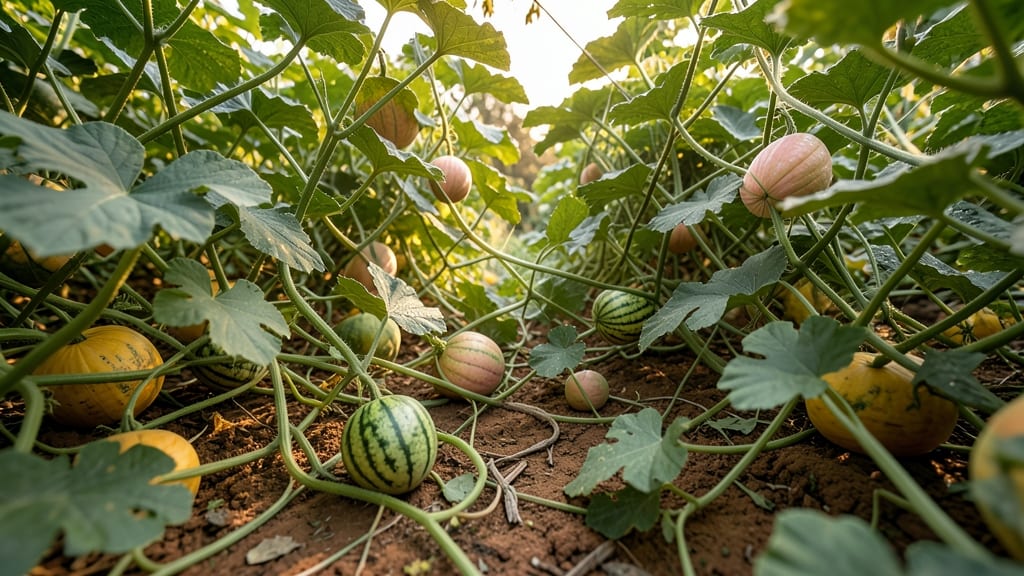
Watermelon vines thrive with the right spacing to maximize fruit production while keeping harvests manageable. Understanding how many vines per plant yields the best results can transform your garden into a juicy, high-output oasis—whether you're a backyard grower or commercial farmer.
Single Vine Watermelon Plant for Small Spaces
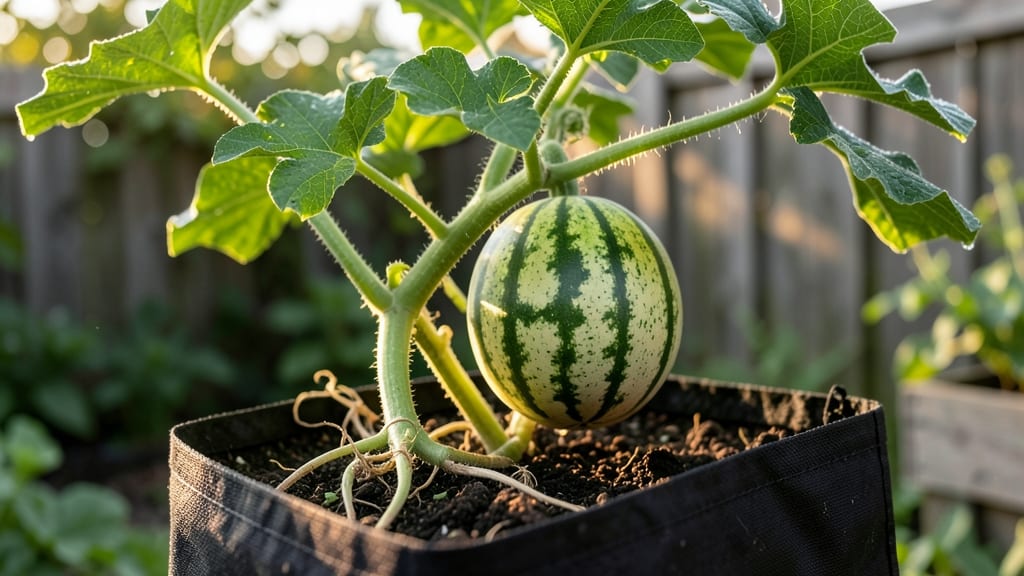
Tight on space but craving juicy watermelons? A single vine watermelon plant is your secret weapon for containers or small plots. By pruning all but one main vine early, you redirect the plant’s energy into producing 1-2 premium-quality fruits instead of spreading thin across multiple vines.
Start by selecting a compact variety like Sugar Baby or Tiny Tim, then pinch off all side shoots within the first 4-6 weeks after germination. Use a 5-gallon container with at least 12 inches of depth and place it in full sun (6+ hours daily). This method also reduces water needs and minimizes pest access by keeping foliage off the ground.
Perfect for urban balconies, rooftop gardens, or beginner growers—this approach guarantees fewer but larger, sweeter melons with minimal fuss. 🌱
Two Main Vines per Plant for Balanced Yield
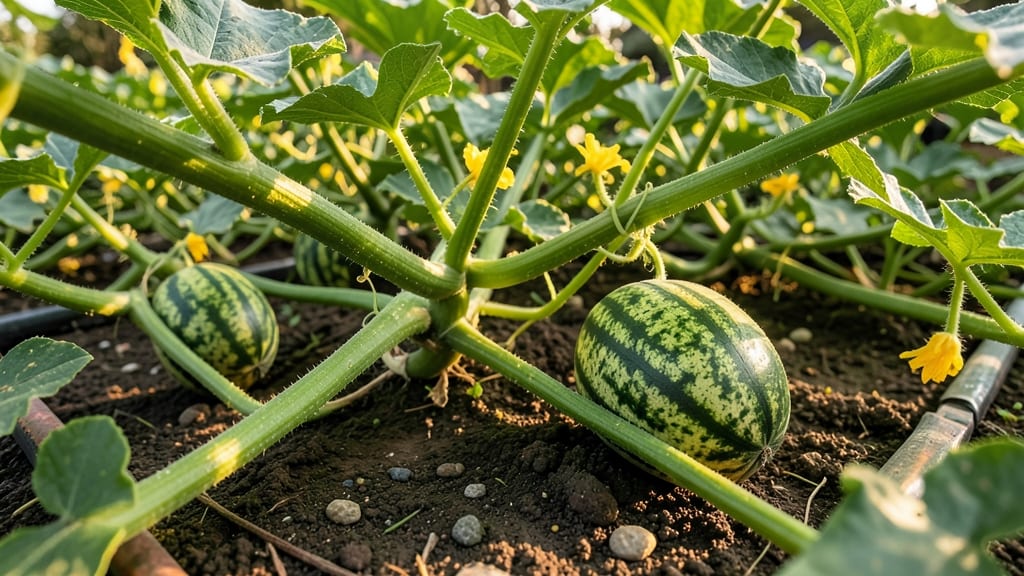
If you want the perfect balance between space efficiency and harvest size, the two main vines per plant method is your best bet. This classic approach lets each vine produce 2-3 fruits while keeping the plant manageable in most home gardens.
Start by selecting the two strongest vines that emerge from the base of the plant in early summer. Prune any side shoots that appear on these main vines to direct energy toward fruit development. Space plants 4-6 feet apart to give vines room to sprawl without competing for nutrients. For best results, use black plastic mulch to warm the soil and train vines along a trellis or let them sprawl on straw mulch.
This method is ideal for gardeners who want consistent yields without the maintenance of more aggressive pruning. It works especially well for varieties like Sugar Baby or Crimson Sweet, delivering reliable harvests with minimal fuss. 🌻
Three Vines Technique for Commercial-Style Production
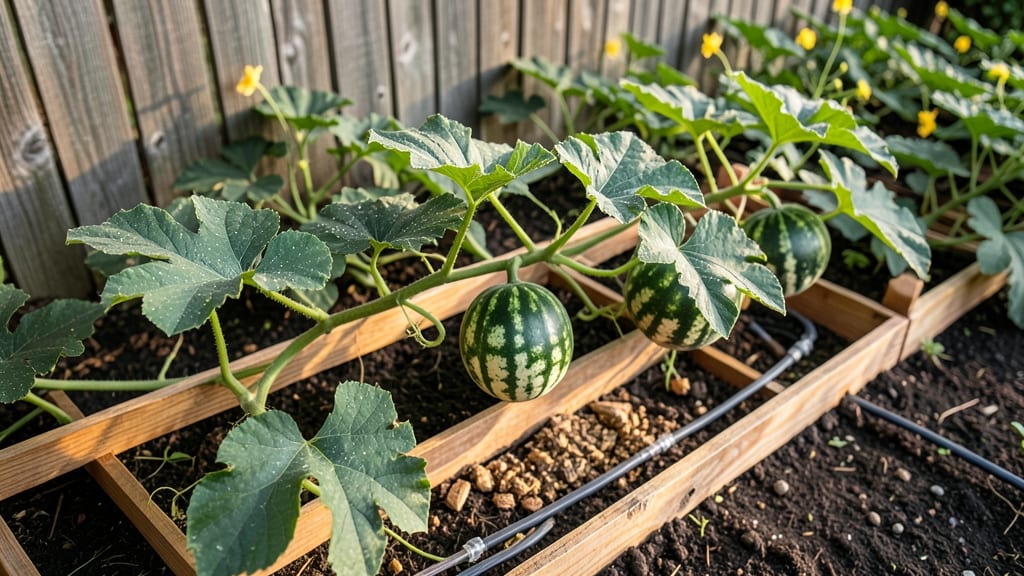
Ready to turn your backyard into a small-scale watermelon farm? The three vines technique is the secret weapon used by commercial growers to pack 3-5 fruits per plant while keeping vines manageable—perfect for maximizing square footage without sacrificing yield.
Here’s how it works: After the plant establishes 3 strong main vines (about 4-6 inches long), prune all side shoots within the first 30 days. This redirects energy to fruit production instead of leafy growth. Space plants 6 feet apart in rows 8 feet apart to prevent overcrowding, and train vines along low trellises to save space and improve airflow.
This method is ideal for small-scale farmers, urban homesteaders, or anyone with limited space who wants restaurant-quality yields. Just be prepared to monitor for pests and diseases more closely with this higher-density approach. 🌟
Four Vines with Strategic Pruning for High-Value Crops
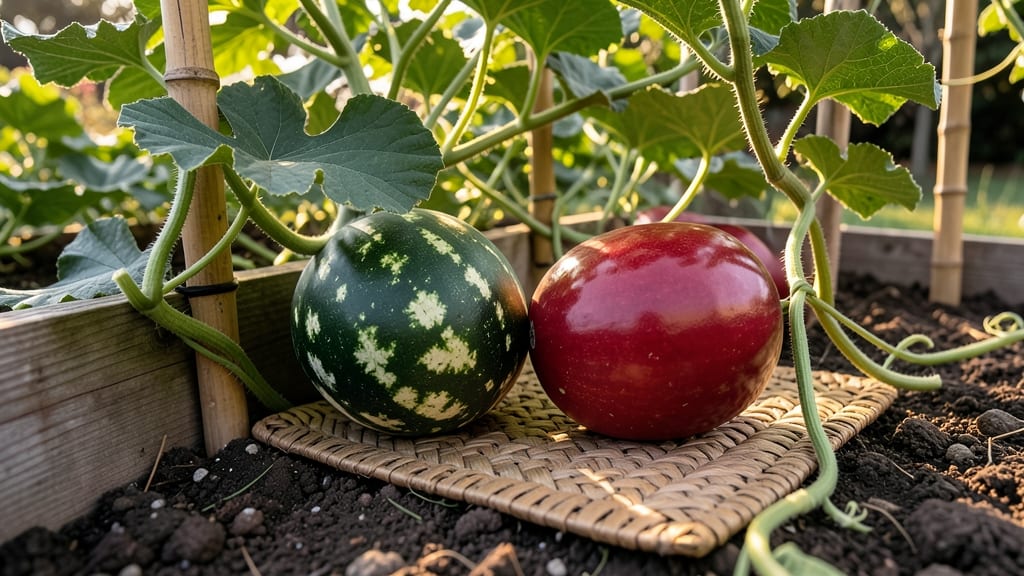
Ready to elevate your watermelon game? When growing premium varieties like 'Moon and Stars' or 'Crimson Sweet', strategic pruning to four main vines unlocks the secret to gourmet-quality fruit. This method isn't just about quantity—it's about crafting melons with intense sweetness and larger size, perfect for farmers' markets or home chefs.
Start by identifying the four strongest primary vines that emerge from the plant's base. Remove all other side shoots within the first 30 days to redirect the plant's energy toward fewer, higher-quality fruits. Each of these four vines can support 1-2 fruits, resulting in 4-6 melons per plant that are significantly larger than average. Use strong trellis supports to keep vines off the ground and reduce disease risk, while ensuring each vine has 6-8 feet of growing space for optimal air circulation.
This technique is ideal for growers targeting high-value markets or those with the space and patience to nurture premium varieties. The extra effort pays off with melons that stand out for their size, sweetness, and texture—making them a showstopper at any harvest. 🌟
Five Vines for Maximum Output in Large Gardens
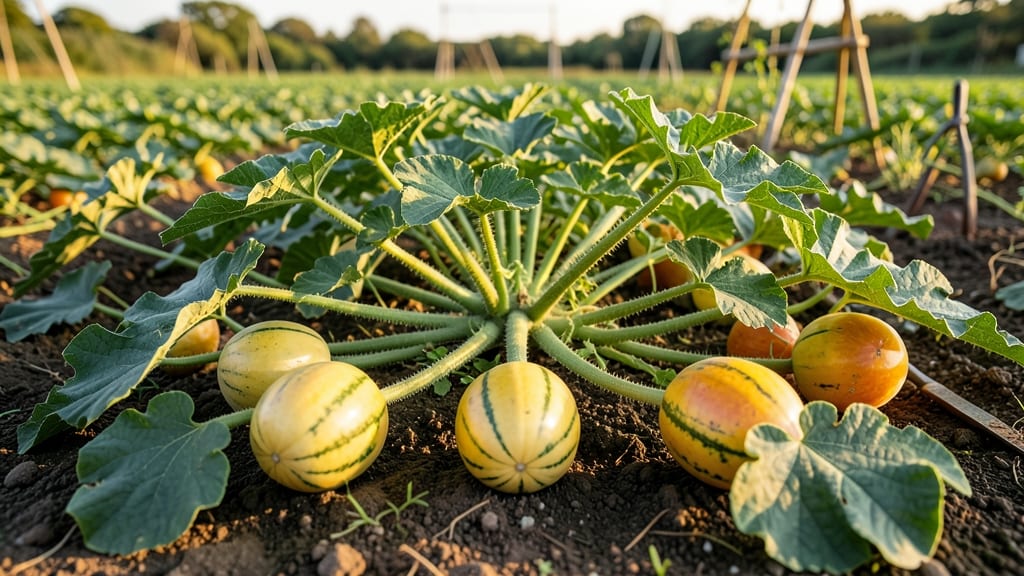
When you're ready to push watermelon production to its absolute limits, five vines per plant delivers the highest yield—5-8 fruits—but demands precision and commitment. This method transforms sprawling vines into a high-output powerhouse, ideal for experienced growers with large garden plots or farm-scale operations.
Start by allowing the main vine to establish strong roots, then strategically prune side shoots to encourage five primary runners. Space plants 10-12 feet apart to prevent overcrowding, and use black plastic mulch to retain heat and moisture. Vigilant pest monitoring is critical—aphids and cucumber beetles thrive in dense foliage, so rotate organic sprays like neem oil every 5-7 days. Amend soil with compost and balanced fertilizer (10-10-10) at planting and mid-season to support heavy fruit loads.
This approach rewards those willing to invest time in soil prep and maintenance, making it perfect for serious gardeners or small-scale farmers aiming for maximum harvests. Just be prepared to trade some ease of care for that record-breaking yield. 🌟
Trellised Single Vine for Vertical Gardening
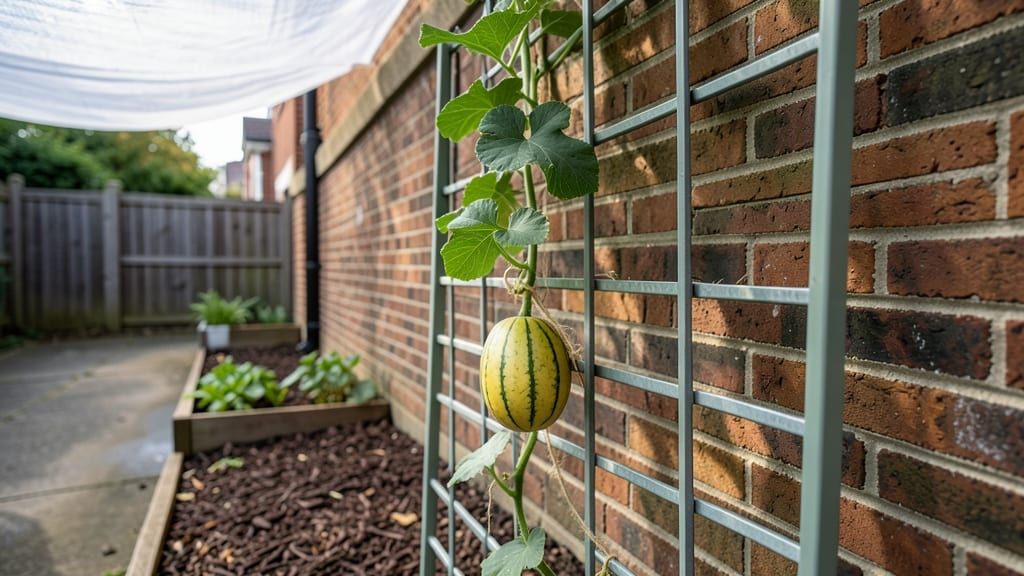
Urban gardeners and small-space growers can finally reclaim their backyards with this vertical watermelon hack. By training just one vine up a sturdy trellis, you free up precious ground space while still enjoying 1-2 high-quality fruits—all while reducing soil-borne diseases that plague sprawling plants.
Start by selecting a disease-resistant variety like 'Sugar Baby' or 'Black Diamond'. Install a 6-foot tall trellis (metal or wooden) near your plant at planting time, then gently weave the main vine through the support as it grows. Prune all side shoots to focus energy on upward growth, and keep the vine tied at 12-inch intervals to prevent sagging. This method also makes harvesting easier—no more bending over!
Perfect for balconies, rooftops, or tiny patios, this approach lets you grow watermelons even in limited-space urban areas. Plus, elevated vines stay drier, cutting down on fungal risks. 🌱
Bush-Type Varieties with Minimal Vines
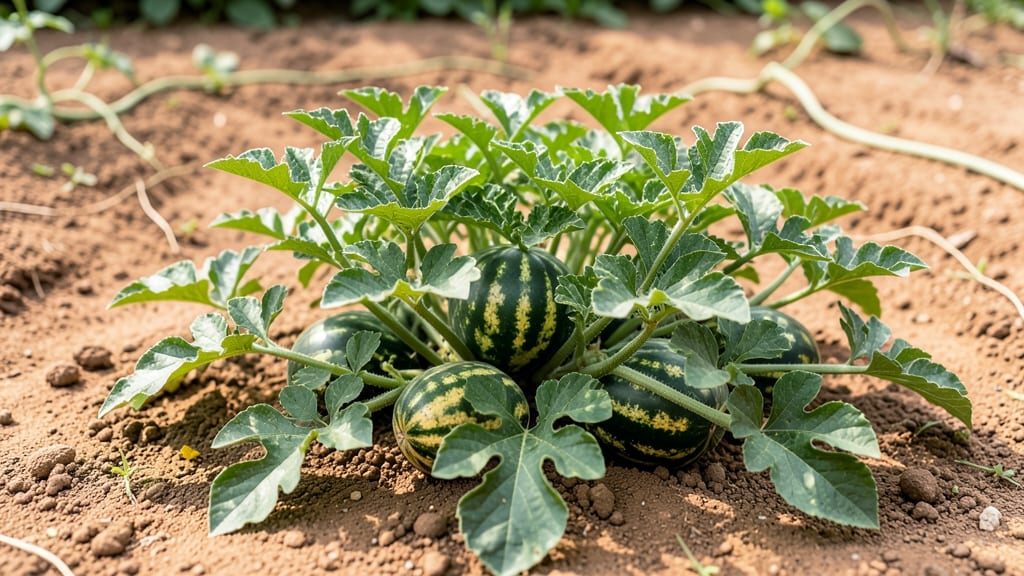
If you’ve ever struggled with watermelon vines sprawling uncontrollably, bush-type varieties like 'Sugar Baby' are your game-changer. These compact hybrids produce just 1-2 fruits per plant on short, contained vines—ideal for beginners, small gardens, or regions with short growing seasons.
Unlike sprawling vines that need trellises or pruning, these varieties stay tidy, requiring no special support while still delivering sweet, flavorful melons. They thrive in well-drained soil and full sun, maturing in about 70-80 days—perfect for cooler climates or early harvests. Their low-maintenance nature makes them a favorite for urban gardeners and first-time growers.
For those with limited space or time, bush watermelons offer a stress-free way to enjoy homegrown fruit without the vine management hassle. 🌱
Six Vines for Experimental High-Yield Trials
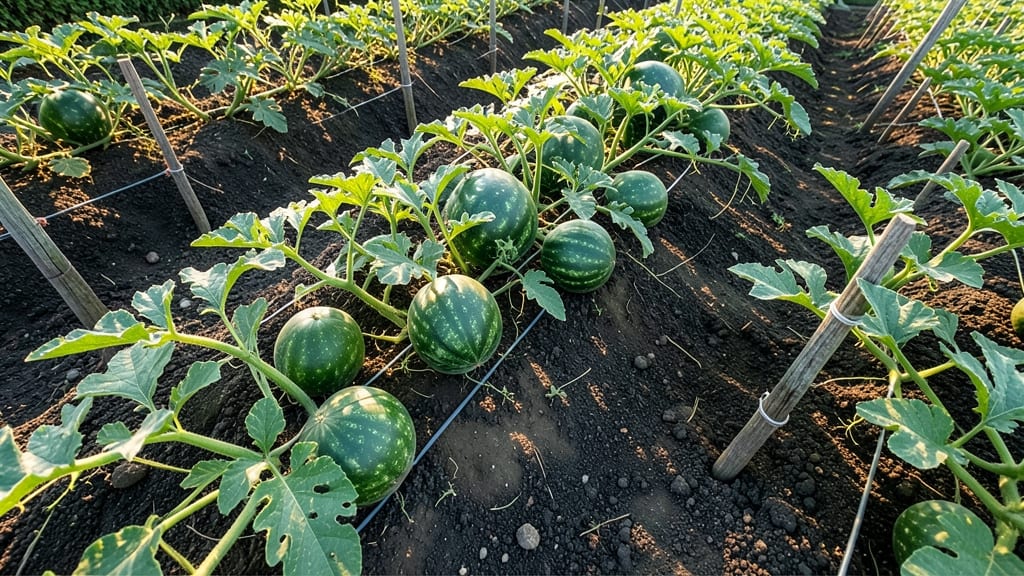
Ready to push watermelon yields to their absolute limits? The six-vine experimental trial is for growers testing new varieties or breeding lines, where 6-10 fruits per plant become possible—but only with precision pruning and rich soil.
This method requires aggressive early pruning to maintain six primary vines while removing all secondary shoots. Amend soil with compost and balanced fertilizer (10-10-10) at planting, and side-dress with nitrogen mid-season to support rapid vine growth. Space plants 12-15 feet apart to prevent overcrowding, and use drip irrigation to avoid fungal issues in dense foliage.
Perfect for plant breeders, research farms, or competitive gardeners with the time to monitor vine health daily. The trade-off? Fewer, smaller fruits—but invaluable data for developing high-yield varieties. 🌟
Pruned Side Shoots for Stronger Main Vines
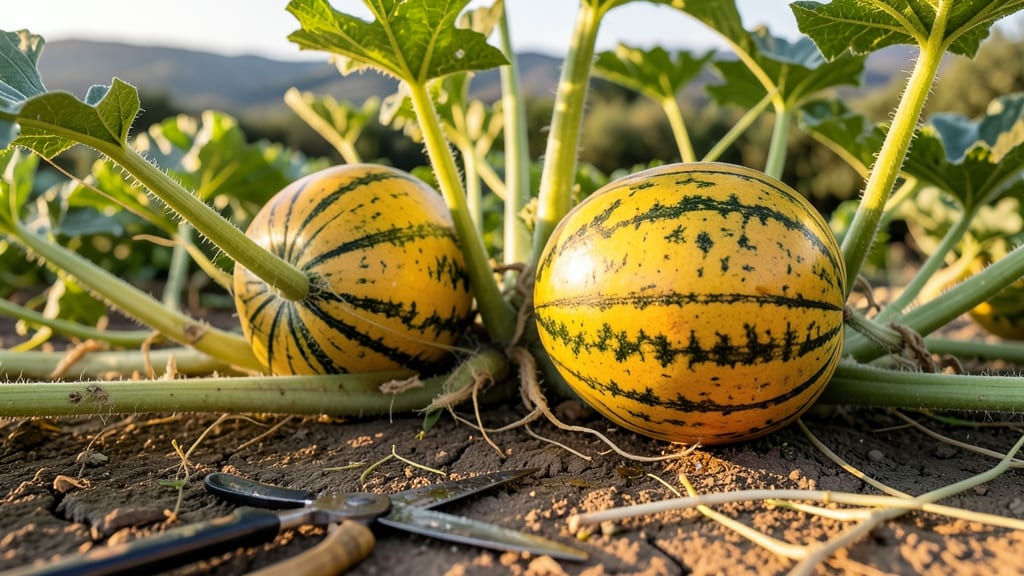
Want bigger, sweeter watermelons perfect for saving seeds? Pruning side shoots to focus energy on 2-3 main vines delivers fewer but higher-quality fruits with superior flavor and size. This method is a game-changer for seed-saving gardeners who prioritize genetic purity and fruit excellence over sheer quantity.
Start by identifying the three strongest vines emerging from the base—these will become your primary producers. Remove any side shoots (smaller, weaker stems) that appear along these main vines using clean pruners, leaving only the first 6-8 inches of each shoot. This redirection of energy results in larger fruits with thicker rinds, ideal for long-term storage and seed viability.
This technique works best for heirloom varieties and is especially valuable for gardeners who want to preserve true-to-type seeds for next season. The trade-off of fewer fruits is worth it for those who value premium quality over quantity. 🌟
Natural Unpruned Growth for Organic Gardens

For permaculture gardeners and organic enthusiasts, the natural unpruned watermelon approach lets the plant thrive with 10+ sprawling vines, creating a lush, low-maintenance harvest of smaller but abundant fruits. This method aligns perfectly with regenerative growing principles, requiring no pruning and minimal intervention.
Each vine produces 2-4 fruits, resulting in a total yield of 20+ melons per plant—ideal for sharing or preserving. Space plants 12-15 feet apart to accommodate sprawl, and prioritize rich, well-draining soil to support the plant’s vigorous growth. This approach works best in warm climates or extended growing seasons, where vines can fully mature.
Perfect for those who value ecological harmony over high-intensity yields, this technique reduces labor while boosting biodiversity. 🌱