
Planting
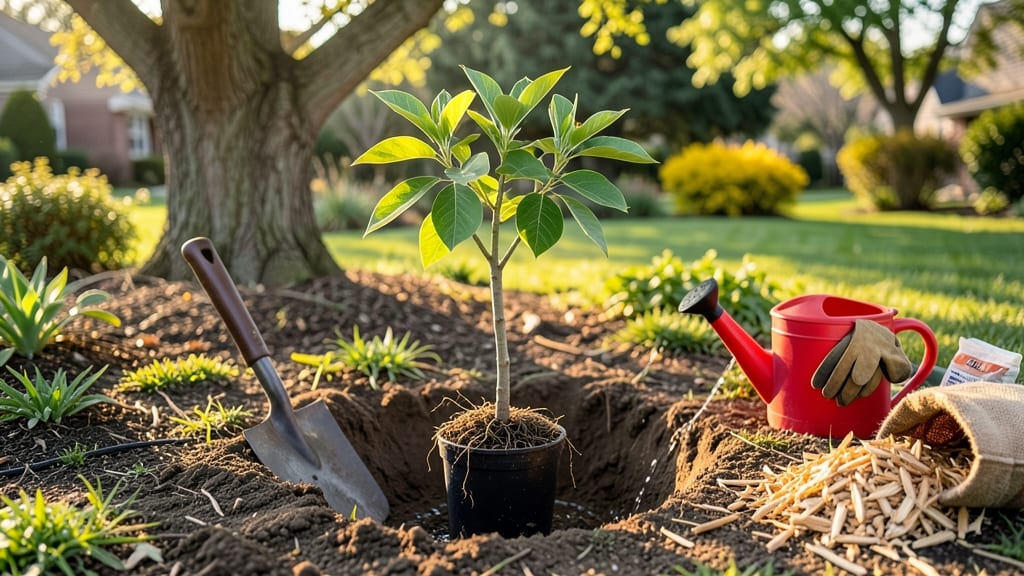
Planting a tulip tree means adding a 60-foot-tall shade giant to your landscape—one that blooms like a tulip in spring. 🌳 I learned the hard way that these trees need the right spot from day one, or they’ll struggle for years. The secret?
Well-drained soil, full sun, and patience—because their roots grow deep fast. You’ll need a hole twice as wide as the root ball, loamy soil mixed with compost, and a sunny location with at least 6 hours of light daily.
Tulip trees hate soggy feet, so avoid low spots where water pools. Spring or early fall are the best times to plant, when temperatures are mild but not extreme. Once planted, water deeply to settle the soil, then mulch around the base to keep roots cool.
Skip the fertilizer—they grow fast enough on their own. In 5-10 years, you’ll have a towering tree with fragrant flowers and golden fall foliage that steals the show. Common mistakes? Planting too deep (the root flare should peek above soil) or crowding them too close to structures.
Give them space—they’ll thank you with decades of shade and beauty.
📚 In This Guide
- What you need
- Instructions
- Tips and common mistakes
- Wrapping up and next steps
What you need
- ● Tulip tree saplings or seeds: Choose container-grown saplings (1-3 years old) for faster growth or seeds if you're patient! 🌱
- ● Shovel or trowel: A round-point shovel (for digging holes) or a hand trowel (for smaller spaces).
- ● Garden gloves: Protect your hands from dirt and sharp roots.
- ○ Mulch (optional but recommended): 3-4 inches of organic mulch (e.g., wood chips or pine straw) to retain moisture and suppress weeds.
- ● Watering can or hose: A gentle spray nozzle is ideal for young trees.
- ○ Fertilizer (optional): A balanced, slow-release fertilizer (10-10-10 ratio) to give your tree a nutrient boost.
- ● Sunlight: A full-sun location (6+ hours of direct sunlight daily). Tulip trees thrive in open, sunny spots!
- ● Space: Ensure at least 40-50 feet of clearance for mature growth (they’re giants!).
- ● Well-draining soil: Tulip trees prefer slightly acidic to neutral soil (pH 5.0-7.0). Amend clay soil with compost if needed.
- ● Timing: Plant in early spring or fall (avoid extreme heat or frost).
Step-by-step instructions for planting tulip trees
Here's how I plant these sun-loving giants—simple, sturdy, and ready for decades of shade.
🌱 Step 1: Choose the Right Location and Prepare the Soil
Tulip trees (Liriodendron tulipifera) thrive in full sun to partial shade and need plenty of space—these giants grow 60-90 feet tall with a 40-60 foot spread. Pick a spot with at least 8 feet of clearance from buildings and power lines. They hate soggy roots, so avoid low-lying areas where water pools.
Test your soil’s drainage by digging a 12-inch deep hole—if water sits for more than an hour, amend the soil with 2-3 inches of compost or sand to improve aeration. Tulip trees tolerate a wide pH range (5.0-7.5), but they grow fastest in slightly acidic to neutral soil. If your soil is heavy clay, mix in a 5-gallon bucket of organic matter (like leaf mold or well-rotted manure) into the planting area.
🪴 Step 2: Dig the Hole and Plant the Tree
Dig a hole twice as wide as the tree’s root ball but no deeper—planting too deep suffocates roots and causes stress. For a 15-gallon container-grown tree, that’s a 24-inch wide, 12-inch deep hole. Gently loosen the roots if they’re circling in the pot before placing the tree in the center.
Backfill with the native soil you removed, tamping lightly every 2-3 inches to remove air pockets. Water deeply to settle the soil, then add a 2-inch layer of mulch (wood chips or bark) around the base, keeping it 3 inches away from the trunk. This protects roots from temperature swings and retains moisture—critical in the first year.
☀️ Step 3: Water and Maintain for Strong Growth
Water deeply 2-3 times per week for the first month, then taper to once a week once established (unless rainfall provides 1 inch of moisture). You’ll know it’s enough when the top 6 inches of soil feel damp but not soggy. Overwatering is the fastest way to kill a young tulip tree—roots need air as much as water.
Fertilize lightly in spring and fall with a balanced 10-10-10 or 20-20-20 formula (follow package rates). Skip heavy fertilization the first year—new trees focus energy on root growth, not foliage. Prune only to remove dead, diseased, or crossing branches in late winter or early spring before new growth starts.
Watch for yellowing leaves—this usually means overwatering or poor drainage. If the soil stays soggy for days, the tree may need a raised bed or better-draining soil. Tulip trees are tough once established, but they reward patience with showy tulip-shaped flowers in spring and golden fall foliage for decades.
Tips & tricks for planting tulip trees
Planting these towering beauties isn't complicated once you know the little details that make all the difference.
Location is Everything: I can't stress this enough—tulip trees need that full sun to partial shade spot. If you're on the fence, err on the side of more sun. These trees will grow tall enough to reach the treetops in your neighborhood, so make sure they have room to stretch their branches without hitting power lines or your neighbor's roof. That 8-foot clearance isn't just a suggestion!
Soil Prep Secrets: When you're testing that 12-inch deep hole for drainage, here's what I do: I pour in 2 gallons of water and time how long it takes to drain. If it's still standing after an hour, you definitely need that 2-3 inches of compost or sand. For clay-heavy soil, I mix in my 5-gallon bucket of organic matter right into the planting hole—not just around it. This creates a perfect growing pocket for those roots to spread out.
Planting Depth Matters: The 12-inch depth for your hole is crucial, but here's the part people miss: the top of the root ball should sit just above ground level after planting. I always use a level to check—no burying that trunk! That 2-inch layer of mulch should stay clear of the trunk too. It's tempting to pile it high, but too much mulch can suffocate the roots and cause rot. Think of it as a protective blanket, not a mound.
Watering Wisdom: Those 2-3 deep waterings per week in the first month are non-negotiable, but here's how I do it: I water slowly until I see the water pool at the edges of the hole. This ensures the water soaks down to those roots. After the first month, I check the top 6 inches of soil with my finger—if it's damp but not soggy, I'm good. If it's dry, that's when I water again. Overwatering is the silent killer of young tulip trees.
Pro Tips for Plant A Tulip Tree
- Planting these towering beauties isn't complicated once you know the little details that make all the difference.
- Location is Everything: I can't stress this enough—tulip trees need that full sun to partial shade spot. If you're on...
- Soil Prep Secrets: When you're testing that 12-inch deep hole for drainage, here's what I do: I pour in 2 gallons of ...
Frequently asked questions
Got questions about planting tulip trees? You’re not alone! Here are some of the most common concerns—plus quick, practical answers to help you grow these stunning giants with confidence.
When is the best time to plant a tulip tree?
The ideal window is early spring (after the last frost) or fall (4–6 weeks before the first frost). Planting in spring gives roots time to establish before summer heat, while fall offers cooler temps and winter moisture. Avoid planting in extreme heat or freezing conditions—roots need time to adapt!
How deep and far apart should I space tulip tree seedlings?
Dig a hole twice as wide as the root ball but no deeper. Space saplings 30–50 feet apart for mature trees (they grow 60–70 feet tall!). For smaller yards, consider dwarf varieties like ‘Little Volunteer’ (15–20 feet tall). Mulch around the base to retain moisture and suppress weeds.
Why isn’t my tulip tree growing? Troubleshooting slow growth.
Slow growth often stems from poor drainage, compacted soil, or underwatering. Check for yellowing leaves (overwatering) or crispy edges (drought). Tulip trees thrive in well-draining, slightly acidic soil (pH 5.0–6.5). Amend heavy clay with compost or sand, and water deeply 1–2 times per week during dry spells.
Can I grow a tulip tree in a container? What about smaller spaces?
Tulip trees hate containers—they need deep roots and space. However, you can try a large (200+ gallon) pot for young trees in urban areas, using fast-draining soil. For small yards, opt for dwarf cultivars like ‘Arnold’s Promise’ or ‘Fastigiata’ (columnar shape). Prune aggressively to control size, but expect slower growth.
Are tulip trees prone to pests or diseases? How do I prevent them?
Watch for borers, scale insects, and fungal issues like anthracnose. Prevention tips:
- Inspect leaves regularly for holes or sticky residue (signs of pests).
- Prune dead or crowded branches to improve airflow.
- Apply copper fungicide in spring if fungal spots appear.
- Avoid overhead watering to reduce humidity around foliage.
Wrapping up and next steps
Planting a tulip tree is a rewarding way to add majestic height and vibrant greenery to your landscape! With the right location, soil prep, and a little patience, you’ll soon enjoy their stunning blooms and towering presence.
Whether you’re a gardening newbie or a seasoned pro, these sun-loving giants are worth the effort—and your future self will thank you!
Ready to watch your tree thrive? Next, check out our guide on caring for tulip trees—watering, pruning, and long-term maintenance tips to keep your giant happy and healthy for decades! 🌳✨