
Planting
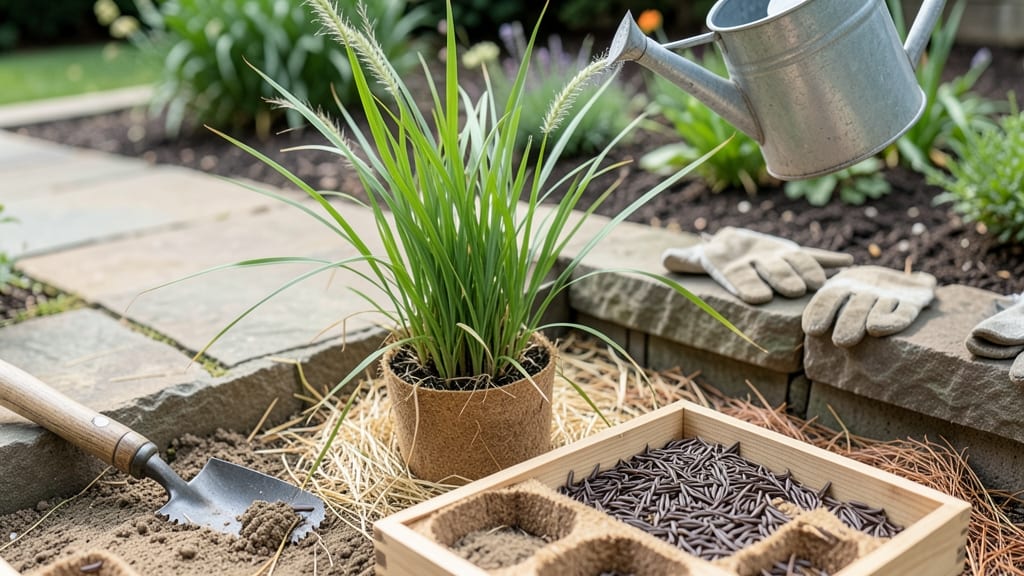
Planting pampas grass seeds outside starts with a cold-stratification trick that mimics winter's magic. ✨ I've learned that skipping this step means waiting years for germination—my first attempt took three seasons before a single shoot appeared. The secret lies in replicating the natural freeze-thaw cycle that breaks seed dormancy.
You'll need three months of patience, a plastic bag, and a little fridge space to prep seeds before planting. After stratification, sow them in well-draining soil where they'll get full sun and shelter from strong winds.
The key is planting them ¼ inch deep, just enough to cover but not bury the seeds completely.
Within 6-8 weeks, you'll see the first green shoots pushing through—though they'll grow slowly at first. These delicate seedlings need consistent moisture but hate soggy soil. By their first winter, they'll establish roots deep enough to handle drought once mature.
This method works best when planted in early spring or late summer, giving seeds time to germinate before extreme heat or cold. The payoff? Dramatic, feathery plumes that transform any landscape—though they do need space to spread their wings.
📚 In This Guide
- What you need
- Instructions
- Tips and common mistakes
- Wrapping up and next steps
What you need
- ● Pampas grass seeds: 1–2 oz (30–60g) per planting area (adjust based on desired density). Opt for cold-stratified seeds for faster germination.
- ● Garden soil or potting mix: Well-draining, slightly sandy loam (or a blend with perlite/vermiculite for better aeration).
- ● Planting trays or seedling pots: 2–4" deep, with drainage holes (biodegradable pots work great!).
- ● Cold stratification setup: A sealed plastic bag or airtight container (like a Ziploc),
- ● Moistened peat moss or paper towels, and
- ● A refrigerator (set to 35–40°F / 2–4°C).
- ● Outdoor planting site: Full sun (6+ hours/day), sheltered from strong winds, and soil with a pH of 6.0–7.5.
- ● Watering can or spray bottle: For gentle hydration (avoid oversaturating seeds!).
- ○ Gloves and pruners: Optional but handy for handling seeds and transplanting.
- ● Seedling heat mat: Speeds up germination if you’re impatient! 🌡️
- ● Mulch (straw or pine needles): Retains moisture and protects young plants.
- ● Fertilizer (low-nitrogen, balanced formula): Apply lightly after 4–6 weeks of growth.
- ● Plant labels: Mark your seedlings to track progress.
Step-by-Step instructions for planting pampas grass seeds outside
Cold stratification is the secret to breaking dormancy—here's how to do it right for reliable germination.
🌱 Step 1: Collect and Prepare the Seeds
Harvest mature pampas grass seed heads in late fall when they've turned golden brown and begin releasing fluffy plumes. Use scissors to cut the entire seed head cleanly at the base. Spread the heads on a clean sheet of newspaper in a dry, well-ventilated area for 2-3 weeks to allow the seeds to fully dry and release from the chaff.
Once dry, gently rub the seed heads between your fingers to release the small, hard seeds. Store them in a paper envelope in a cool, dry place until you're ready to stratify. The seeds won't germinate without this cold treatment—it mimics winter conditions and signals the seed it's safe to sprout.
❄️ Step 2: Perform Cold Stratification
Fill a plastic storage bag with 2 inches of damp sand or perlite (not soil—it can harbor mold). Add the pampas grass seeds, then seal the bag tightly, squeezing out excess air. Place the bag in your refrigerator's crisper drawer where temperatures stay consistently between 35-40°F.
Keep the bag in the fridge for 6-8 weeks, checking it weekly. The sand should remain lightly moist but never soggy—squeeze a handful to test. If water drips out when you press, it's too wet. This stratification period is critical: seeds that skip this step may take years to germinate or never sprout at all.
🪴 Step 3: Prepare Planting Beds
Choose a sunny location with well-draining soil—pampas grass hates soggy roots. Work in 2-3 inches of compost or aged manure into the top 6 inches of soil to improve fertility and drainage. The ideal planting time is early spring, about 2-3 weeks before your last frost date, when soil temperatures begin to warm consistently above 50°F.
Sow seeds ¼ inch deep in rows spaced 12-18 inches apart. You can plant them directly in the garden or start them in small pots to transplant later. Thin seedlings to 6-12 inches apart once they reach 3-4 inches tall, as pampas grass needs space to develop its signature plumes.
☀️ Step 4: Provide Consistent Care After Germination
Germination typically occurs 4-8 weeks after planting, though some seeds may take longer. Keep the soil consistently moist but never waterlogged—pampas grass is drought-tolerant once established, but young seedlings need steady moisture. Water deeply 1-2 times per week, aiming for 1 inch of water each session.
Once seedlings emerge, move them to a location with full sun (at least 6-8 hours daily). Young plants grow slowly at first, so don't rush to fertilize. Wait until they've developed 3-4 true leaves before applying a balanced, slow-release fertilizer. Mulch around the base with 1-2 inches of straw to retain moisture and suppress weeds.
⏰ Step 5: Monitor Growth and Thin as Needed
Pampas grass grows in clumps, so thinning is essential for strong, healthy plants. When seedlings reach 6-8 inches tall, use sharp scissors to snip unwanted plants at soil level. Leave the strongest, most vigorous seedlings spaced 12-18 inches apart—this prevents overcrowding and allows each plant to develop its signature feathery plumes.
Watch for signs of stress like yellowing leaves or stunted growth, which often indicate overwatering or poor drainage. Mature pampas grass is incredibly hardy, but young plants need protection from harsh winds. If your area experiences strong gusts, consider staking tall seedlings until they're more established. With patience, your plants will reward you with dramatic, drought-resistant foliage in just a few seasons.
Tips & tricks for perfect pampas grass germination
These practical insights will help you maximize your success with cold-stratified pampas grass seeds.
Timing Secret: The 2-3 week drying period in Step 1 is non-negotiable—this ensures the seeds are completely free from chaff and ready for stratification. I've learned the hard way that rushing this step leads to poor germination rates. Place your seed heads in a well-ventilated area where they can dry evenly without direct sunlight, which can cause overheating.
Stratification Strategy: When preparing your damp sand mixture in Step 2, use perlite instead of soil to prevent mold growth. The sand should feel like a damp sponge—if water drips when squeezed, it's too wet. I recommend placing a small paper towel in the bag with the seeds to absorb any excess moisture that might develop during the 6-8 week period in the refrigerator.
Soil Preparation: For Step 3, test your soil's drainage before planting. Pampas grass thrives in sandy or gravelly soils that mimic its native habitat. If your garden soil is heavy clay, amend it with coarse sand or small gravel mixed into the top 6 inches. The goal is to create conditions where water drains away quickly—this plant despises soggy roots.
Germination Patience: In Step 4, germination timing can vary dramatically based on your climate. While the instructions mention 4-8 weeks, I've seen some seeds take up to 12 weeks in cooler spring conditions. Mark your planting date and be prepared to wait—consistent moisture is more important than rushing the process. Consider using a small greenhouse or clear plastic dome to create a humid microclimate if your area tends to be dry.
Pro Tips for Plant Pampas Grass Seeds Outside
- These practical insights will help you maximize your success with cold-stratified pampas grass seeds.
- Timing Secret: The 2-3 week drying period in Step 1 is non-negotiable—this ensures the seeds are completely free from...
- Stratification Strategy: When preparing your damp sand mixture in Step 2, use perlite instead of soil to prevent mold...
Frequently asked questions
Got questions about planting pampas grass seeds? You’re not alone! Here are answers to the most common concerns—from timing to troubleshooting—to help you grow these stunning grasses with confidence.
Do pampas grass seeds need cold stratification, and how long does it take?
Yes! Cold stratification mimics winter conditions and breaks seed dormancy. For pampas grass (Cortaderia selloana), mix seeds with moist sand or peat moss, then refrigerate in a sealed bag for 6–8 weeks at 34–40°F (1–4°C). This step is critical—skipping it often results in poor or no germination.
When is the best time to plant pampas grass seeds outdoors?
Plant seeds after cold stratification, ideally in early spring (March–April) or late summer (August–September). Avoid frost-prone areas—wait until soil temps reach at least 60°F (15°C). Young seedlings are delicate; give them 6–8 weeks of warm, stable weather to establish roots before winter.
Can I grow pampas grass from seeds if I live in a cold climate?
Pampas grass thrives in USDA Zones 7–11, but cold climates (Zones 5–6) can still succeed with protection. Plant seeds in containers first, overwinter indoors near a bright window, then transplant outdoors after the last frost. Mulch heavily in winter to insulate roots. Pro tip: Choose dwarf varieties like ‘Pumila’ for easier cold-weather care.
Why aren’t my pampas grass seeds germinating? Troubleshooting tips.
If seeds aren’t sprouting, check these fixes:
- Lack of stratification: Refrigerate seeds for another 2–4 weeks.
- Poor soil moisture: Keep soil consistently damp (not soggy) during germination.
- Low temperatures: Seeds need warmth (70–75°F / 21–24°C) to sprout.
- Old seeds: Pampas seeds lose viability after 1–2 years—source fresh ones.
Are there alternatives to planting pampas grass seeds?
If seeds seem tricky, consider these options:
- Transplanting mature plants: Buy nursery-grown pampas grass (pricier but faster).
- Division: Split established clumps in early spring.
- Cutting propagation: Root hardwood cuttings in perlite (success rates vary).
Wrapping up and next steps
Planting pampas grass seeds outside is a rewarding journey that unlocks the beauty of these fluffy, ornamental grasses—with a little patience and care! 🌱 By following the steps of cold stratification, preparing the right soil, and giving your seeds the ideal conditions, you’ll soon see those feathery plumes swaying in your garden.
Remember, consistency is key, and soon you’ll be enjoying the dramatic results of your hard work.
Ready to take the next step? Once your seeds sprout, transplant them carefully into their permanent spot and watch them thrive. Need inspiration? Check out our guide on maintaining pampas grass for long-term success!