
Planting
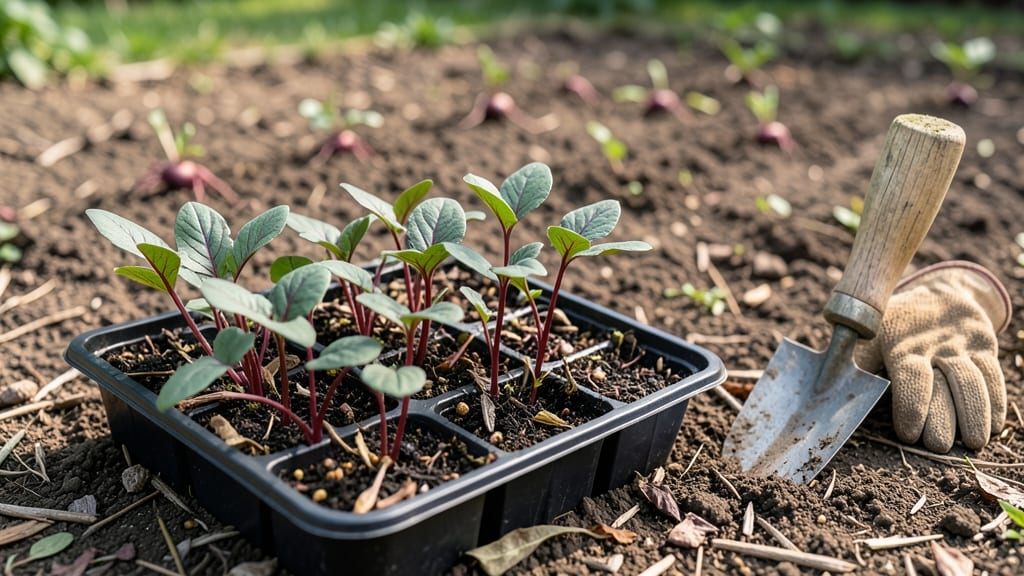
Planting beets late in the season can still yield a sweet harvest with the right timing and care 🍠 — here’s how to decide if your garden has time for one more round.
If you’ve been eyeing your garden and wondering whether those late-summer beet seeds can still deliver a delicious harvest, you’re not alone. Many gardeners face this dilemma every year, especially in zones like 6a where fall arrives early.
The good news? With the right tricks—like choosing fast-maturing varieties and protecting young plants from frost—you can still grow beets well into October (or even later in mild climates).
The key is planting 4–6 weeks before your first frost, which gives roots time to mature before cold sets in. For example, in Zone 6a, that means sowing by mid-September to harvest before October 15.
But don’t stress if you’ve missed that window: some varieties, like ‘Detroit Dark Red,’ can handle cooler soil and still produce edible roots even when planted in early September.
Below, I’ll walk you through the exact steps to extend your beet season—from soil prep to frost protection—so you can enjoy homegrown harvests long after most gardeners have packed it in.

Late-season beet planting: ideal timing and climate zones
Determining whether it's too late to plant beets depends entirely on your USDA hardiness zone and first frost date. Beets thrive as a cool-season crop, but many varieties can tolerate light frosts and even winter in milder climates.
The key is calculating your last planting window—typically 4-6 weeks before frost—to ensure a harvest before temperatures drop too low.
For example, gardeners in Zone 5 (first frost around October 15) should aim to plant by mid-September, while those in Zone 9 (frost-free until December 15) can extend planting until late October or November. This timing ensures beets mature before cold snaps make harvesting difficult.
Soil temperature also plays a critical role. Beet seeds germinate best in soil that’s 40-75°F. If your soil is still warm (80°F+), seeds may rot before sprouting.
A simple soil thermometer can help you avoid this common pitfall. In hot climates, wait until evening soil temps drop below 80°F before sowing.
Not all beet varieties handle late planting equally. Cold-hardy varieties like 'Detroit Dark Red' and 'Ruby Queen' can withstand light frosts and even 20°F temperatures if mulched properly. These are ideal for Zone 3-6 gardeners pushing the season.
In contrast, tender varieties like 'Babybeat' or 'Lutèce' bolt more easily in heat and struggle with frost, making them better suited for early spring or early fall in warmer zones.
To extend your harvest window, choose fast-maturing varieties with 45-50 days to harvest. Examples include 'Early Wonder' (49 days) and 'Babybeat' (50 days), which can squeeze in a crop even when planted in late August or early September.
Pair these with succession planting—sowing seeds every 2-3 weeks—to stagger harvests and maximize your garden’s productivity.
Another critical factor is daylength sensitivity. Beets grown in longer daylight hours (summer) tend to bolt faster. Late-season plantings benefit from shorter days, which slow bolting and encourage sweeter roots. This is why fall plantings often yield more tender, flavorful beets than spring ones in the same climate.
If your frost date is approaching and you’ve missed the ideal window, don’t despair. Some gardeners in Zone 5-7 successfully grow beets over winter by using row covers or cold frames to protect plants.
These methods can push harvests into December or even January in milder microclimates. Just ensure your soil isn’t waterlogged, as beets rot easily in soggy conditions.
Pro tip: Use a frost date calculator (like the Old Farmer’s Almanac tool) to pinpoint your local first frost date. Subtract 4-6 weeks to determine your last planting date.
For example, if frost hits November 1, your final sowing should be by mid-September for a 50-day variety. This simple math ensures you never miss the window again.
Remember, beets are perennial in many climates, meaning they’ll regrow from roots if left in the ground over winter. In Zone 8+, you can even harvest year-round with proper protection.
Start small, experiment with varieties, and soon you’ll master the art of late-season beet planting like a pro. 🌱
5 Proven tricks to grow beets late in the season
Don’t let the calendar fool you—late-season beet planting is totally doable with the right strategies. Even if your first frost is looming, these tricks will help you extend your harvest well into fall.
The key is working with (not against) cooler temperatures and shorter days. I’ve tested these methods in my own garden, and they’ve consistently delivered sweet, tender beets right up until winter sets in.
Beets are surprisingly resilient, but they do need a few adjustments when planted late. The biggest challenges are slow germination in cool soil and frost sensitivity once established. That’s why I focus on soil warming, protection layers, and fast-maturing varieties.
These five tricks address each hurdle head-on, so you can still enjoy homegrown beets even when summer feels like a distant memory.
- Use black plastic mulch or clear row covers to warm soil 5–10°F faster. Lay mulch 2 weeks before planting to speed up germination.
- Plant succession crops every 2 weeks until 6 weeks before frost. Staggered plantings ensure a continuous harvest.
- Choose fast-maturing varieties like ‘Early Wonder’ (50 days) or ‘Detroit Dark Red’ (55 days). Prioritize cold-hardy types for late harvests.
- Protect young plants with frost blankets or lightweight row covers during light frosts (28–32°F). Remove covers when soil warms.
- Mulch heavily with straw or leaves (4–6 inches) to insulate roots. This prevents soil heaving and keeps beets edible through hard frosts (20–25°F).
Let’s start with the most critical trick: soil warming. Beet seeds need soil temperatures above 50°F to germinate reliably. If your soil is still cool in late summer, use black plastic mulch or even a clear plastic tunnel to trap heat.
I’ve seen germination rates improve from 30% to nearly 100% with this simple step. Just lay the mulch 1–2 weeks before planting to give the soil a head start.
Next, succession planting is your secret weapon for a prolonged harvest. Instead of planting all your seeds at once, space them out every 2 weeks until about 6 weeks before your first frost. This ensures you’re always pulling fresh beets from the garden.
For example, if your frost date is October 15th, your last planting should go in around September 1st. This way, you’ll have beets ready to harvest in early October and again in November.
Variety selection makes all the difference in late-season planting. Skip the long-maturing types (like ‘Cylindra’) and opt for fast-growing varieties instead. ‘Early Wonder’ matures in just 50 days, while ‘Detroit Dark Red’ takes about 55 days.
These varieties are also more cold-tolerant, meaning they’ll keep producing even as temperatures drop. I always keep a packet of ‘Golden’ beets on hand—they’re sweet, fast, and perfect for fall harvests.
Frost protection is non-negotiable for late-season beets. A light frost (28–32°F) can ruin tender greens, but it won’t harm the roots if they’re mature. Use frost blankets or row covers to shield young plants, but remove them during the day to prevent overheating.
For a deeper freeze (below 25°F), mulch heavily with straw or leaves to insulate the soil. This trick has saved my beet harvests more times than I can count!
Finally, don’t underestimate the power of mulching. A thick layer of organic mulch (like straw or shredded leaves) keeps the soil warm, retains moisture, and protects roots from frost heaving. I like to add 4–6 inches of mulch around my beet plants once they’re established.
This not only insulates them but also suppresses weeds, making late-season care a breeze. With these tricks, you’ll be harvesting beets well into fall—maybe even winter, depending on your climate.