
Planting
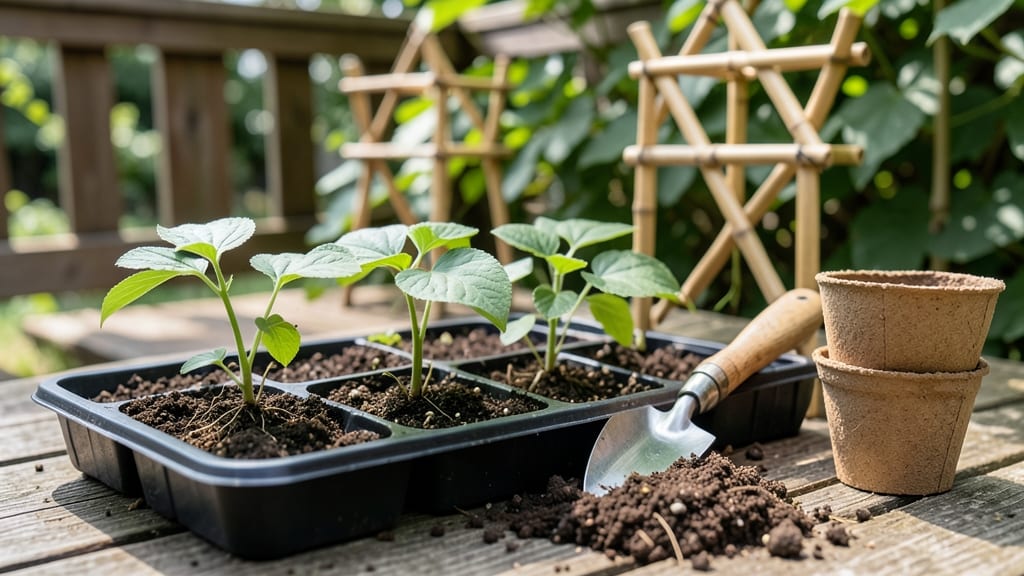
Fast-germination kiwi plant seedlings start with a damp paper towel and a warm spot. 🌱 I’ve watched those fuzzy little roots emerge in just 3-5 days—no waiting months for stubborn seeds to sprout.
The trick is keeping the towel moist but not soggy, and using a heat mat if your home runs cool.
You’ll need hardy kiwi varieties like ‘Issai’ or ‘Arctic Kiwi’ for beginners—they’re self-pollinating and thrive in smaller spaces. Soft kiwi vines (like ‘Hayward’) need more room and a trellis, but both types benefit from well-draining soil mixed with compost.
Avoid heavy clay, or those seedlings will drown before they even stretch.
Once those first leaves unfurl, move them to bright, indirect light for a week before transplanting. Overwatering is the #1 killer—let the top inch of soil dry out between drinks. Within 6-8 weeks, you’ll have sturdy young vines ready for their forever home.
For experienced growers, this is where pruning early sets the stage for bushier growth later. Pinch back the tips of new shoots to encourage branching, and watch those vines transform from spindly to robust. Patience pays off—your first harvest could be just 2-3 years away!
📚 In This Guide
- What you need
- Instructions
- Tips and common mistakes
- Wrapping up and next steps
What you need
- ● Kiwi seeds: 5–10 fresh, organic seeds (preferably from a ripe, heirloom kiwi fruit). Pro tip: 💡 Store-bought seeds may be treated to prevent germination—opt for seeds from a homegrown or organic source!
- ● Seed-starting mix: 2–3 cups of sterile, well-draining potting soil (look for a blend labeled for seedlings or seed-starting).
- ● Biodegradable seedling pots: 6–10 small pots (2–3 inches in diameter) or a seed tray with individual cells.
- ● Spray bottle: For gentle watering without disturbing the soil.
- ● Plastic wrap or humidity dome: To create a mini greenhouse effect and retain moisture.
- ○ Heat mat (optional but helpful): A small seedling heat mat (set to 70–75°F) to speed up germination.
- ● Tweezers or spoon: For carefully placing seeds in the soil.
- ● Plant labels: To track seed varieties and planting dates.
- ● Grow lights or sunny windowsill: A south-facing window or LED grow light (12–16 hours/day) for optimal light exposure.
- ○ Fertilizer (optional): A mild, water-soluble seedling fertilizer (like fish emulsion) to boost early growth.
- ○ Thermometer (optional): To monitor soil temperature (kiwi seeds thrive at 70–85°F).
Step-by-step instructions for growing kiwi seedlings from scratch
Here’s how to get kiwi seedlings off to a flying start—using proven tricks to speed up germination and build resilience.
🌱 Step 1: Soak Seeds to Kickstart Germination
Kiwi seeds have tough outer shells that slow germination. Place them in a bowl of lukewarm water for 24 hours to soften the coating. I like to use a mesh bag so they don’t sink to the bottom and get buried under sediment. After soaking, gently rub the seeds between your fingers to remove any remaining pulp—this prevents mold and speeds up sprouting.
Once prepped, transfer the seeds to a damp paper towel and fold it into a loose packet. Place this inside a sealed plastic bag and store it in a warm, dark spot (like a sunny windowsill with a blanket over it). Check daily—you’ll see tiny white roots emerge in 3-5 days. This is the moment that matters: don’t let the towel dry out, but don’t drown them either.
🌱 Step 2: Plant in Warm, Well-Draining Soil
Fill small pots (3-4 inches deep) with a mix of 50% sterile potting soil and 50% perlite or sand—kiwi roots need excellent drainage to avoid rot. I use 4-inch pots for my seedlings, spacing them 2 inches apart to prevent overcrowding. Plant the sprouted seeds ½ inch deep, pressing lightly to ensure good soil contact.
Water gently with a spray bottle until the soil feels evenly moist but not soggy. Cover the pots with clear plastic wrap to retain warmth and humidity—kiwi seeds germinate best at 75-80°F. Place them under a grow light or in a sunny window (south-facing) and expect tiny shoots to appear in 7-14 days. If the soil dries out, the seeds may die before sprouting.
☀️ Step 3: Provide Consistent Light and Humidity
Kiwi seedlings crave light but can’t handle direct sun yet. Position them under a grow light for 14-16 hours daily, keeping it 4-6 inches above the plants. Raise the light as they grow to prevent leggy stems. You’ll know they’re getting enough light when the leaves are dark green and compact—not pale or stretched.
Maintain high humidity by misting the seedlings daily or using a humidity dome. Kiwi plants are tropical and wilt quickly in dry air. If the leaves start curling or yellowing, that’s your cue to increase moisture. Once the first true leaves appear (not the initial seed leaves), reduce watering slightly but keep the soil consistently damp.
🌿 Step 4: Fertilize and Harden Off for Transplanting
After 4-6 weeks, when seedlings have 3-4 sets of leaves, switch to a balanced liquid fertilizer (like 10-10-10) diluted to half strength. Kiwi plants are heavy feeders, but young seedlings can’t handle full-strength nutrients. Feed every 2 weeks to encourage strong root and stem growth.
Two weeks before transplanting outdoors, start hardening off the seedlings. Place them outside in a shaded spot for 1-2 hours the first day, then gradually increase exposure over 10-14 days. Watch for wilting—if it happens, they’re not ready yet. Once they tolerate full sun without stress, they’re ready for their permanent home in well-draining soil.
Tips & tricks for perfect kiwi seedlings
Here's what nobody tells you about giving your kiwi seedlings the fastest, healthiest start possible.
Germination Speed: The 24-hour soak is non-negotiable—kiwi seeds need this time to break dormancy. I've found that adding a pinch of cinnamon (½ teaspoon per quart of water) to the soaking water can further boost germination rates by preventing fungal growth. After soaking, don't skip the pulp removal—this prevents mold from forming during the critical germination window.
Soil Mix Secrets: While the 50/50 soil-perlite mix works perfectly, I've had the best results with a slight modification: replace 10% of the perlite with vermiculite. This improves moisture retention while maintaining excellent drainage. The key is keeping that mix loose enough that water drains freely within 15 minutes of watering—kiwi roots hate soggy conditions.
Lighting Strategy: Those 14-16 hours of grow light are crucial, but positioning matters just as much. Place your grow light so it's just 3-4 inches above the seedlings initially, then raise it by 1 inch per week as they grow. This gradual adjustment prevents leggy growth while ensuring they get optimal light intensity. If you don't have a grow light, a south-facing window with supplemental fluorescent lighting works well.
Troubleshooting Early Signs: Watch for these red flags during the first 2 weeks: yellowing leaves indicate overwatering, while curled leaves signal underwatering. If you see black spots on the soil surface, that's mold—remove affected seedlings immediately and reduce humidity. The 75-80°F temperature range is critical for germination, so if your home runs cooler, consider using a seedling heat mat until sprouts appear.
Pro Tips for Kiwi Plant Seedlings
- Here's what nobody tells you about giving your kiwi seedlings the fastest, healthiest start possible.
- Germination Speed: The 24-hour soak is non-negotiable—kiwi seeds need this time to break dormancy. I've found that ad...
- Soil Mix Secrets: While the 50/50 soil-perlite mix works perfectly, I've had the best results with a slight modificat...
Frequently asked questions
Got questions about growing kiwi plant seedlings? You’re not alone! Here are some of the most common concerns—plus quick, actionable answers to help you succeed.
How long does it take for kiwi seedlings to germinate?
Kiwi seedlings typically sprout in 2–4 weeks when kept in warm (70–85°F), moist conditions. Pro tip: Use a heat mat if your home runs cool, and avoid overwatering—soggy soil can delay germination. Patience is key!
Can I grow kiwi seedlings indoors before transplanting?
Start seeds indoors 6–8 weeks before your last frost using pots with drainage. Place them near a sunny window or under grow lights (12–14 hours/day). Harden off seedlings for 1–2 weeks before moving them outside.
What’s the best time of year to plant kiwi seedlings outdoors?
Plant seedlings in spring or early summer after the last frost when soil temps are above 60°F. Kiwi vines thrive in zones 7–9 but need winter protection in colder areas. Choose a spot with full sun (6+ hours/day) and trellis support.
Why aren’t my kiwi seedlings growing? Troubleshooting tips
Leggy seedlings?
Lack of light—move them closer to a window or add grow lights.
Yellow leaves?
Overwatering or poor drainage. Let soil dry slightly between waterings.
No sprouts after 4 weeks?
Check seed viability (test a few in warm water) or try fresh seeds.
Are there faster-growing kiwi varieties for seedlings?
Yes! ‘Issai’ and ‘Hardy Kiwi’ varieties germinate quickly and tolerate cooler climates. For speed, opt for tissue-cultured seedlings (available at nurseries), which skip the slow seedling phase and start as young plants.
Wrapping up and next steps
Growing kiwi plant seedlings from scratch is a rewarding journey that combines patience, care, and a dash of creativity! 🌱 With the right fast-germination tricks—like soaking seeds, using warm soil, and providing consistent moisture—you’ll set your tiny sprouts up for success.
Whether you’re a seasoned gardener or just starting out, every seed has the potential to grow into a thriving vine with delicious fruit.
Now that you’re armed with the know-how, it’s time to roll up your sleeves and get planting! Start with just one or two seedlings to build confidence, and soon, you’ll be expanding your kiwi patch like a pro. Happy growing—your future harvest awaits! 🍈✨