
Planting
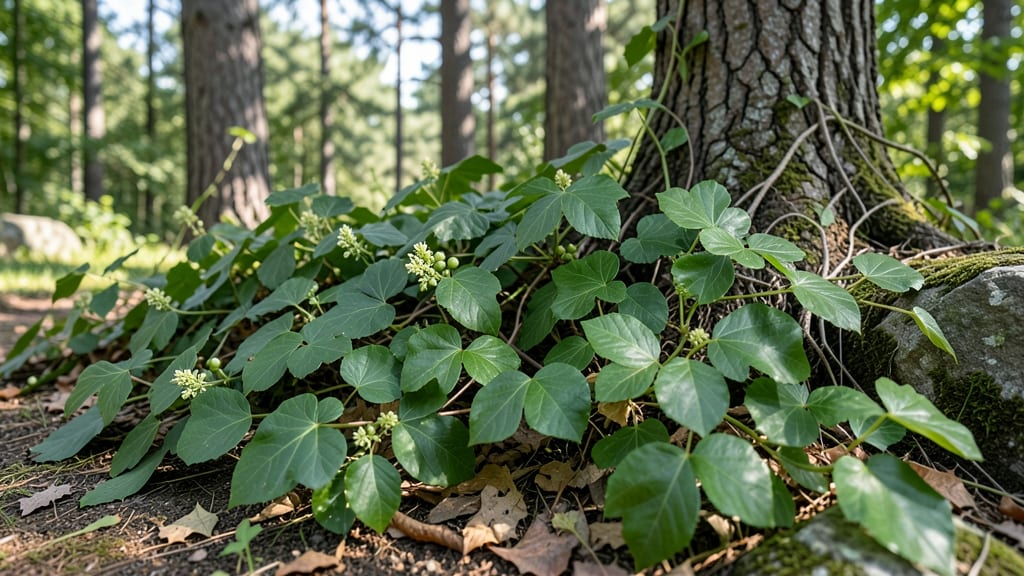
That large poison ivy plant in your yard isn’t just an eyesore—it’s a fast-spreading menace that can take over your garden in weeks. I’ve wrestled with these stubborn vines for years, and I’ve learned the fastest way to kill them before they smother everything else.
The key? Targeting those deep, sneaky roots while protecting yourself from the rash that follows.
Most people make the mistake of pulling it out by hand, only to watch it regrow from the roots. Instead, we’re using a two-step smother-and-cut method that chokes the plant from both above and below.
You’ll need gloves (thick rubber ones), long sleeves, and a sharp shovel—no shortcuts here. The good news? This method works even on mature vines that have been around for years.
By the end of the process, you’ll have a yard free of poison ivy, with no regrowth in sight. The secret lies in patience and persistence—once you see those vines turn brown and brittle, you’ll know the roots are dying.
Just don’t touch anything until you’re sure it’s completely dead (and even then, wash up afterward).
If the patch is bigger than a 5-foot diameter, it’s time to call in the pros. Some roots run deeper than you’d expect, and professionals have the tools to handle them safely. But for most backyard battles, this method is your best shot at winning fast.
How Poison Ivy Spreads Unchecked
Poison ivy doesn’t just pop up overnight—it thrives due to a mix of environmental, biological, and human factors. Understanding these causes helps you tackle it before it becomes a tangled, itchy nightmare. Here’s why it grows so aggressively and how to recognize the signs early.
Poison ivy (Toxicodendron radicans) is a master of opportunism. In healthy ecosystems, it’s often outcompeted by stronger plants like trees, shrubs, or dense ground covers. But when these competitors are removed—whether by logging, construction, or even overzealous gardening—poison ivy seizes the chance to dominate.
- Why it happens: Sunlight, water, and nutrients become readily available, and poison ivy’s shallow but sprawling roots and vines take over quickly.
- Actionable tip: Plant native, non-invasive species like Virginia creeper or blackberry bushes to crowd out poison ivy naturally. These plants grow faster and shade the soil, starving ivy of light.
- 💡 Pro tip: If you’re clearing land, leave some mature trees or shrubs intact—their shade slows ivy growth by 40-60%.
Poison ivy loves moisture and humidity, which is why it flourishes in disturbed soils, forest edges, and even urban cracks. Its roots spread aggressively in damp environments, and each vine can produce thousands of seeds that germinate within weeks.
| Factor | How It Helps Poison Ivy | How to Counter It |
|---|---|---|
| Moisture | Retains water in roots and soil, encouraging rapid vine growth. | Improve drainage with gravel or mulch (but avoid wood chips—ivy can grow through them!). |
| Partial Sunlight | Needs 3-5 hours of sun daily but tolerates shade. Thrives in gaps left by fallen trees. | Prune trees to limit sunlight to ivy patches, or use thick mulch to block light. |
| Rich, Disturbed Soil | Roots exploit freshly turned soil (e.g., after construction) for nutrients. | Apply vinegar-based herbicides or boiling water to kill roots before planting. |
Humans accidentally create the perfect poison ivy playground. When forests are fragmented by roads, trails, or development, ivy spreads along edges where sunlight hits the soil. Even well-meaning gardening—like tilling or removing ground cover—can trigger its growth.
- Why it happens: Poison ivy seeds can lie dormant for years in the soil, waiting for the right moment to sprout. A single disturbed patch can release hundreds of seeds.
- Actionable tip: If you’re landscaping, test soil for ivy seeds before planting. A simple soil scrape test (scratching the top 2 inches of soil) can reveal hidden vines.
- ⚠️ Warning: Never burn poison ivy—smoke carries urushiol oil, which can cause severe respiratory irritation.
Unlike many plants, poison ivy has few natural enemies. While deer and rabbits avoid it (thanks to its toxic sap), its biggest check—fungal diseases or insects—rarely keep it in balance. In fact, its resilience makes it nearly immune to most ecological pressures.
- Why it happens: Poison ivy’s urushiol oil deters herbivores, and its thick, waxy leaves resist most pathogens. Without intervention, it spreads unchecked.
- Actionable tip: Introduce milkweed or goldenrod nearby—these plants attract beneficial insects that may indirectly limit ivy growth by promoting biodiversity.
- 🔥 Hot tip: In rare cases, the poison ivy leaf miner (a moth larva) can defoliate patches. Monitor infestations, but don’t rely on them alone!
Key takeaway: Poison ivy doesn’t just grow—it exploits opportunities. By understanding its triggers, you can starve it out before it becomes a yard-dominating menace. Next up: How to Attack It at the Root.
Eradicating Poison Ivy for Good
Now that you understand why large poison ivy plants thrive and spread, it’s time to tackle them head-on. The key to success lies in a combination of immediate action, strategic tools, and long-term prevention.
Below, we break down practical solutions tailored to your specific situation—whether you’re dealing with a stubborn patch in your yard, an invasive vine along your fence, or a creeping menace near your home’s foundation.
---
Poison ivy may look harmless, but every part of the plant contains urushiol oil, which causes that infamous itchy rash.
Before you grab your shears, protect yourself first: - Wear long sleeves, gloves, and goggles (urushiol can linger in the air when burning). - Use a shovel or tarp to cover the area and prevent spreading seeds or roots. - Cut the vines at the base—but don’t burn them on-site (this can release toxic smoke).
Instead, bag them tightly and dispose of them in sealed trash bins.
Pro Tip: 💡 If you’re dealing with a large, mature plant, cut it into 3-foot sections to make disposal easier. Never compost poison ivy—it’ll just regrow!
---
For deep-rooted or widespread infestations, herbicides can be a game-changer.
But not all products are equal—here’s how to choose wisely: - Glyphosate-based herbicides (like Roundup) work well for foliar application—spray directly on leaves when the plant is actively growing (spring/fall). - Triclopyr or 2,4-D mixes are better for woody stems (like thick vines). - Horticultural vinegar (20-30% acetic acid) is a natural but slower option—best for small patches. Test a small area first—it can damage nearby plants.
Application Steps: 1. Choose a calm, dry day (wind can spread urushiol). 2. Spray the underside of leaves (where urushiol is most concentrated). 3. Reapply every 7-10 days until the plant turns brown and dies.
Warning: ⚠️ Never mix herbicides unless the label says to—some combinations create toxic fumes.
---
If you prefer chemical-free methods, manual removal can work—but only if done thoroughly.
Here’s how: - Use a shovel or mattock to dig 6-12 inches deep around the plant (poison ivy roots can spread laterally). - Look for rhizomes (thick, creeping roots)—these are the plant’s lifeline. Cut or pull them out completely. - Check for "sprouts"—even a tiny piece left behind can regrow.
For Stubborn Roots: - Smother the area with black plastic or cardboard for 3-6 months to block sunlight (poison ivy can’t survive without it). - Solarization (using clear plastic in summer) speeds up decomposition.
Pro Tip: 🌡️ Timing matters! Remove poison ivy in early spring or fall when it’s actively growing but not yet seeding.
---
Once you’ve eliminated the plant, prevent regrowth with these strategies: - Create a barrier with gravel, mulch, or landscape fabric to block new vines from climbing. - Plant competitive ground covers like clover, creeping thyme, or moss—they outcompete poison ivy for space. - Inspect regularly—check fences, tree trunks, and garden edges for new shoots (they start small!). - Educate your family/pets—teach them to avoid scratching and to wash clothes/shoes after outdoor time.
Bonus: ✨ Natural deterrents like neem oil (sprayed on young shoots) can weaken new growth before it takes hold.
--- If the poison ivy covers large areas (50+ sq ft), is deeply rooted near structures, or keeps regrowing despite your efforts, it’s time to call an eco-friendly pest control service. They have industrial-strength herbicides and root-killing techniques that work where DIY methods fail.
--- Final Reminder: 🚨 Always wash tools, clothing, and skin with soap and water after handling poison ivy—urushiol can linger for years on surfaces!
Frequently asked questions
What’s the safest way to handle large poison ivy plants?
Always wear long sleeves, thick rubber gloves, and goggles—urushiol oil can cause severe rashes. Use a shovel to cut vines at the base, then double-bag them in heavy-duty trash bags. Never burn or compost poison ivy, as smoke or soil contamination can spread the oil. Wash tools and skin immediately after with soap and water. Pro tip: Spray the area with vinegar afterward to neutralize any lingering oil.
How do I know if I’ve removed all the roots?
Dig 6-12 inches deep around the plant to check for creeping roots or rhizomes—they look like thick, white strands. Look for new shoots in the same area over the next 2-3 weeks; if they appear, you missed some roots. For stubborn patches, smother the soil with black plastic for 3-6 months to starve remaining roots of sunlight. Signs of success: Brown, brittle vines and no regrowth after 60 days.
Can I use household vinegar to kill poison ivy?
Yes, but only 20-30% acetic acid vinegar works—regular vinegar (5%) is too weak. Spray it directly on leaves and stems on a sunny day (heat helps break down the plant). Reapply every 7-10 days until the ivy turns brown. Test a small area first—vinegar can damage nearby plants. For large patches, combine it with soapy water to improve adhesion. Warning: Vinegar won’t kill deep roots alone; dig them out afterward.
How long does it take to fully eliminate poison ivy?
Small patches may die within 2-4 weeks with consistent treatment, but large, established plants can take 3-6 months. The key is persistence—reapply herbicides or smothering methods until the soil is completely clear of shoots. Monitor the area for 1 year to ensure no regrowth. Deep-rooted systems near structures may require professional help, as they can persist longer. Once gone, plant competitive ground covers to prevent new growth.
What should I do if poison ivy keeps coming back?
If it regrows despite your efforts, the roots may be deeper or more widespread than you thought. Try solarization (covering the area with clear plastic for 4-6 weeks in summer) or a commercial herbicide like triclopyr. For stubborn cases, call a licensed pest control service—they use industrial-strength treatments. Meanwhile, inspect your yard weekly for new shoots, especially near fences or tree bases where roots spread easily. Hot tip: A soil scrape test (scratching the top 2 inches of soil) can reveal hidden roots.