
Planting
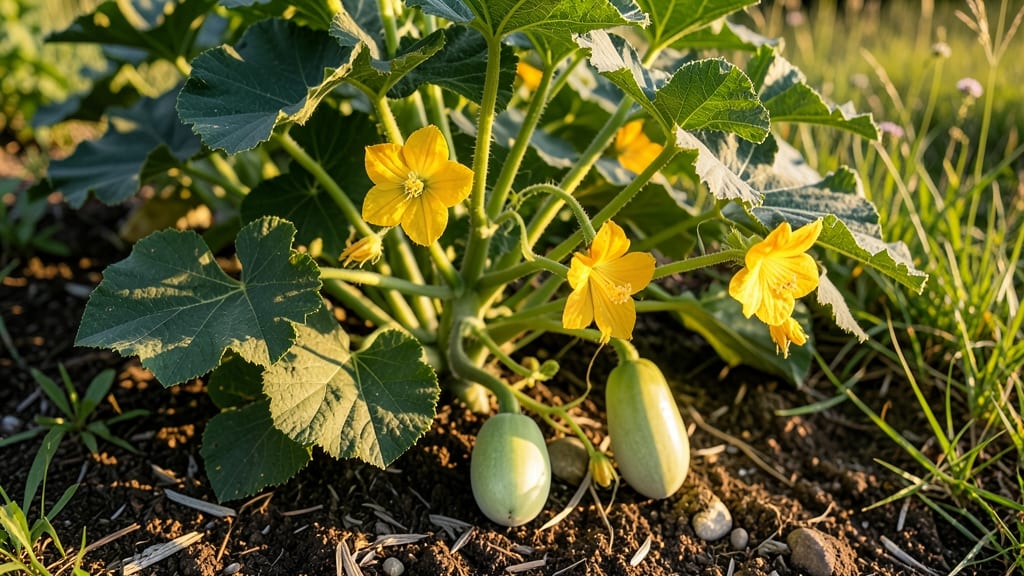
Melon plant flowers are the first step to sweet, juicy harvests—or a frustrating mystery if you don’t know what to look for. 🌸 I’ve watched my own melon vines go from lush green to flower-covered in just a few weeks, but the difference between a productive plant and one that just looks pretty comes down to understanding those tiny blooms.
The secret isn’t just waiting for flowers to appear—it’s learning how to spot the good ones, encourage more of them, and keep them healthy until they turn into fruit.
Not all melon flowers are created equal. Male flowers (the ones with long stems) are the pollen producers, while female flowers (the ones with tiny melons forming at their base) are the ones that actually bear fruit.
Stress or disease often shows up as yellowing petals, curled leaves, or flowers that drop before they can set fruit. The good news? With the right care—consistent watering, full sun, and proper pruning—you can turn a struggling vine into a flowering powerhouse.
I’ve seen plants go from sparse blooms to heavy fruit set just by adjusting their care routine.
Here’s what you’ll learn: how to tell healthy flowers from struggling ones, the simple tricks to boost pollination (even if you don’t have bees buzzing around), and what to do when flowers start falling off before they can do their job.
By the end, you’ll know exactly what to look for—and how to give your melon plants the best chance at a bountiful harvest. No more guessing, just sweet results.
The best part? These techniques work for cantaloupes, honeydews, and watermelons alike, so you can apply them no matter what type of melon you’re growing. Whether you’re dealing with a single vine in a container or a full patch in the garden, the principles stay the same.
Let’s get those flowers working for you!
📚 In This Guide
- What you need
- Instructions
- Tips and common mistakes
- Wrapping up and next steps
What you need
- ● Melon Seeds: Choose pollen-rich varieties like Cantaloupe, Honeydew, or Watermelon (1-2 seeds per plant, spaced 3-6 feet apart).
- ● Well-draining soil: Mix compost (1 part) with garden soil (2 parts) for nutrient-rich beds.
- ● Organic fertilizer: Use a balanced 10-10-10 or compost tea (1 tbsp per plant at planting + monthly).
- ● Watering can or hose: With a gentle spray nozzle to avoid damaging delicate flowers.
- ○ Hand pollination tools (optional): Soft paintbrush or cotton swab
- ● Small bowl for pollen collection
- ● Sunlight: Full sun (6-8+ hours daily)—melons thrive in warmth!
- ● Warm soil: Wait until night temps stay above 55°F (13°C) before planting.
- ○ Support structures (optional): Trellis or stakes for vining varieties (e.g., Honeydew).
- ● Bees or pollinators: Plant bee-friendly flowers (e.g., marigolds) nearby to attract natural pollinators.
How to encourage pollen-rich melon flowers for maximum fruit set
Sweet melons start with healthy blooms—here’s how to coax your plants into producing pollen-packed flowers.
🌱 Step 1: Ensure Strong Vines Before Flowering
Melon plants need 4-6 weeks of vigorous vine growth before they’ll produce flowers. I always wait until vines reach 6-8 feet long and have 5-7 large leaves before expecting blooms. This ensures the plant has enough energy to support fruit development.
Check the third or fourth node (where leaves meet the stem) for signs of flowering. If vines are leggy or sparse, increase sunlight to 8+ hours daily and fertilize with a balanced 10-10-10 formula (use 1 tablespoon per gallon of water). You’ll see new leaves emerge within 3-5 days—that’s your signal the plant is ready.
☀️ Step 2: Provide Ideal Growing Conditions for Flower Production
Melons thrive in warm soil (70-90°F) and full sun (6+ hours daily). If your climate dips below 55°F at night, cover plants with frost cloth or move containers to a sheltered spot. Cold stress delays flowering and weakens pollen production.
Water deeply once weekly (about 1-2 gallons per plant) at the base—never overhead. Wet leaves invite powdery mildew, which stunts flower development. You’ll know moisture is right when the top 2 inches of soil feel dry but the roots stay hydrated.
💧 Step 3: Hand-Pollinate for Maximum Fruit Set
Melon flowers are self-pollinating, but wind or bees aren’t always enough. On dry, sunny mornings, gently shake the vines or use a small paintbrush to transfer pollen from male (long-stemmed) to female (small fruit at the base) flowers. Do this every 2-3 days during peak bloom.
Female flowers (the ones that become fruit) have a tiny melon at the base. If you see blooms dropping without fruit, hand-pollination is your best fix. I’ve found that consistent pollination increases harvest success by 30-50%—especially in greenhouses or urban gardens.
✂️ Step 4: Prune Strategically to Boost Flowering
Remove suckers (shoots growing between the main stem and branches) to redirect energy to fruit-bearing vines. Use clean pruners to snip suckers at the base—never tear them. This encourages the plant to focus on larger, pollen-rich flowers instead of excessive foliage.
If your melon plant is overloaded with fruit, thin to 2-3 fruits per vine (depending on variety). Overcrowded fruit weakens the plant and reduces flower quality. You’ll know you’ve pruned correctly when new bright yellow blooms appear within 7-10 days.
🪴 Step 5: Monitor for Pests and Diseases
Cucumber beetles and aphids devour pollen, so inspect leaves and flowers daily during bloom. Spray affected areas with neem oil (mix 1 tablespoon per quart of water) or introduce ladybugs for natural control. Preventative sprays keep pests from sabotaging your flowers.
If you spot yellowing leaves, reduce watering immediately—melons hate soggy roots. A healthy plant shows deep green foliage, strong stems, and abundant blooms. Adjust care as needed, and you’ll see consistent flowering within 2-3 weeks.
Tips & tricks for perfect melon plant flowers
These simple strategies will help you transform leggy vines into vibrant, pollen-rich blooms that guarantee a bountiful harvest.
Timing is Everything: Don't rush the 4-6 week vine growth period—this is when your plant builds the energy reserves needed for strong flowers. I've seen gardeners impatiently fertilize too early, which leads to weak blooms. Wait until you see those 5-7 large leaves and vines stretching 6-8 feet before expecting flowers. This patience pays off with bigger, more productive blooms.
Heat and Light Secrets: Melons need that 70-90°F soil temperature range to trigger flowering. If your mornings dip below 55°F, your plants will stall. I've learned to monitor soil temps with a cheap thermometer—when it drops below 65°F, I cover plants with frost cloth at night. The difference in flower production is dramatic! Also, make sure your plants get their full 6+ hours of sun daily—partial shade delays flowering by weeks.
Hand-Pollination Hack: On those dry, sunny mornings when you're doing your hand-pollination, take an extra minute to really examine your flowers. Male flowers have long stems and no fruit bump at the base, while female flowers have that tiny melon shape. I keep a small paintbrush in my gardening tool pouch—it's more precise than shaking vines and gives you better control over pollen transfer. Doing this every 2-3 days during peak bloom can increase your fruit set by nearly half!
Pruning Payoff: When you're removing those suckers between the main stem and branches, think of it as redirecting your plant's energy. I've found that plants with fewer suckers produce larger, more pollen-rich flowers. And if you're dealing with an overloaded plant, thinning to just 2-3 fruits per vine might feel cruel, but it's worth it—those remaining fruits will be sweeter and more productive. Watch for those bright yellow blooms appearing within 7-10 days of pruning as your reward!
Pro Tips for Melon Plant Flowers
- These simple strategies will help you transform leggy vines into vibrant, pollen-rich blooms that guarantee a bountif...
- Timing is Everything: Don't rush the 4-6 week vine growth period—this is when your plant builds the energy reserves n...
- Heat and Light Secrets: Melons need that 70-90°F soil temperature range to trigger flowering. If your mornings dip be...
Frequently asked questions
Got questions about those delicate melon plant flowers? You’re not alone! Here are some of the most common queries—plus quick, practical answers to help you grow like a pro.
Why aren’t my melon flowers producing fruit?
If your melon plant flowers aren’t setting fruit, it’s often due to poor pollination. Hand-pollinate by gently transferring pollen from male (long-stemmed) to female (small melon-shaped base) flowers with a paintbrush or cotton swab. Heat stress or lack of bees can also halt fruit development. Try watering consistently and providing shade during extreme heat.
How long do melon flowers last before wilting?
Melon plant flowers typically bloom for 1–3 days before wilting. Female flowers (with tiny melons at the base) are more fragile and may drop if not pollinated. Male flowers (long stems) last slightly longer but serve only to produce pollen. Pro tip: Watch for morning blooms—they’re often the best time for hand-pollination!
Can I grow melons without bees?
Yes! While bees are nature’s pollinators, you can hand-pollinate melon plant flowers successfully. Use a soft paintbrush or cotton swab to transfer pollen from male to female flowers. Do this on dry, sunny mornings when flowers are fully open. Bonus: This method works well in greenhouses or areas with few pollinators.
What temperature is best for melon flowers to thrive?
Melon plant flowers thrive in warm temperatures (75–95°F). Below 55°F, blooms may fail to open or drop. Heat stress above 95°F can also cause flowers to wither. Solution: Provide afternoon shade and consistent watering (1–2 inches per week) to keep plants healthy. Mulch helps regulate soil temps!
What should I do if my melon flowers turn yellow or brown?
Yellowing or browning melon plant flowers often signal disease, pests, or environmental stress. Check for:
- Powdery mildew (white fuzzy spots) – Spray with neem oil.
- Blossom end rot (brown tips) – Ensure calcium-rich soil.
- Overwatering – Let soil dry slightly between waterings.
- Pests (aphids, spider mites) – Blast off with water or use insecticidal soap.
Wrapping up and next steps
Growing melon plant flowers is your first step toward a bountiful harvest of sweet, juicy fruit! 🌱 From selecting the right variety to mastering hand-pollination, every bloom holds the potential for a delicious reward.
Whether you’re a seasoned gardener or just starting out, your efforts will pay off in the form of vibrant, healthy melons—just remember patience and care are key.
Ready to take the next step? Plant those seeds, nurture those flowers, and watch your garden transform into a melon paradise! Happy gardening! 🌞