
Planting
Michigan gardeners know timing is everything—plant too early and frost ruins your hard work. These exact frost dates by zone help you pinpoint the perfect planting windows for vegetables, flowers, and perennials across the state.
Last Spring Frost Dates for Northern Michigan Gardens
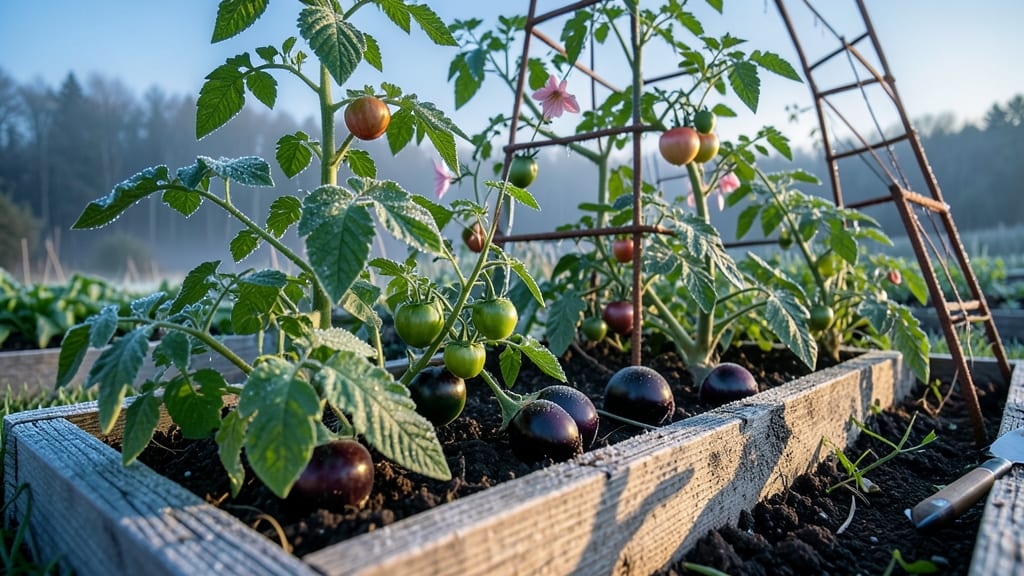
If you’re growing tomatoes, peppers, or eggplants in the Upper Peninsula or northern Lower Peninsula, knowing your last spring frost date could mean the difference between a thriving garden and a lost season. These regions often see frost lingering into mid-May or even early June, making timing everything for heat-loving crops.
For most of the Upper Peninsula (Zone 4a-5a), the average last frost date falls between May 15–25, while northern Lower Peninsula areas (like Traverse City or Petoskey) typically see their final frost around May 10–20. To protect tender seedlings, wait until two weeks after these dates—or use row covers for extra warmth. Even a single night below 32°F can wipe out young plants, so monitor forecasts closely.
This is especially critical for gardeners in Zone 4, where even late-May frosts aren’t uncommon. Start seeds indoors 6–8 weeks before your local last frost date, and consider cold-hardy alternatives like kale or peas if you’re unsure. Planning ahead ensures your garden starts strong! 🌱
First Fall Frost Dates for Southern Michigan Vegetables
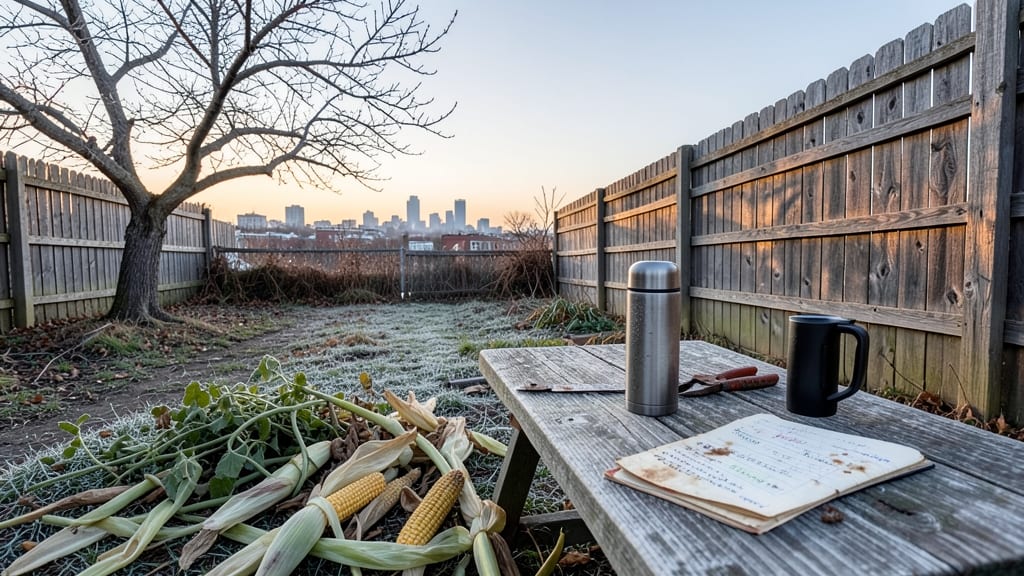
Detroit and Ann Arbor gardeners, your first fall frost typically arrives between October 10–20, cutting short the growing season for warm-season crops like corn and beans—unless you act fast. This window is 2–3 weeks earlier than northern Michigan, so timing your harvests is critical to avoid losing your hard work.
For corn, aim to harvest by early October before frost blackens kernels. Green beans should be picked by mid-October, while tomatoes and peppers need protection (like row covers) if temperatures dip below 35°F. Keep an eye on local forecasts—unpredictable late-season frosts can sneak in earlier, especially in open fields.
This early frost date is a game-changer for urban gardeners and small-scale farmers in southern Michigan. Plan your planting schedule backward from these dates to ensure a bountiful harvest before winter sets in. 🌱
Average Frost-Free Season Length by Michigan County
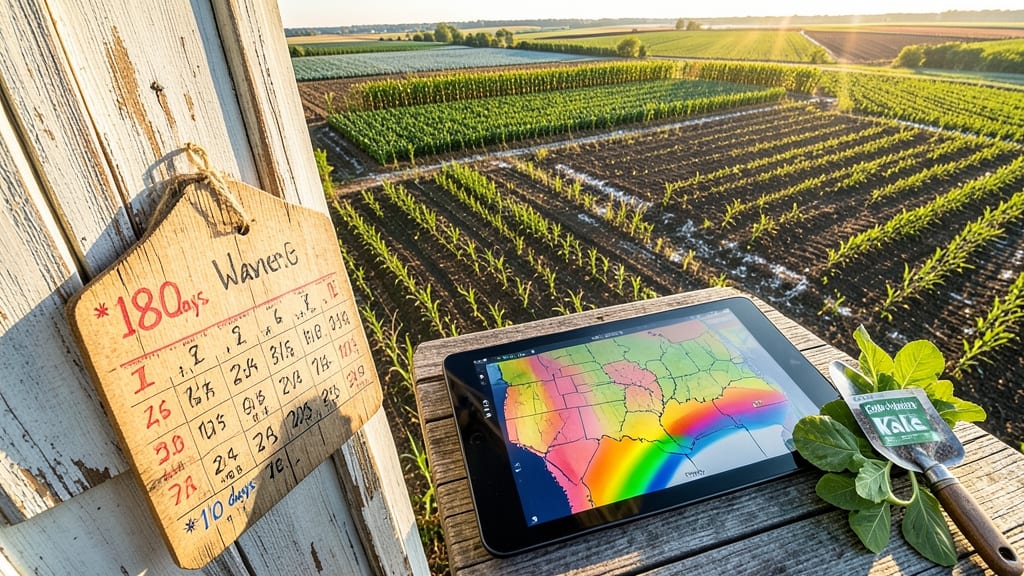
Knowing your county’s frost-free days is the secret to planning crops that thrive all season long. Michigan’s growing seasons vary dramatically—from Wayne County’s 180-day window to just 110 days in Chippewa County—meaning your planting strategy should change depending on where you live.
Use this range to time multi-season crops like kale (which sweetens after frost) or spinach (hardy enough for fall harvests). In longer seasons, succession plant every 2-3 weeks for continuous harvests, while shorter seasons demand faster-maturing varieties like bush beans or radishes. Check your county’s average to align planting with the calendar.
Gardeners in shorter-season counties benefit most from this data—it helps prioritize cold-hardy crops and avoid wasted effort on tender plants that won’t survive. 🌱
Early Spring Frost Protection Tips for Delicate Plants
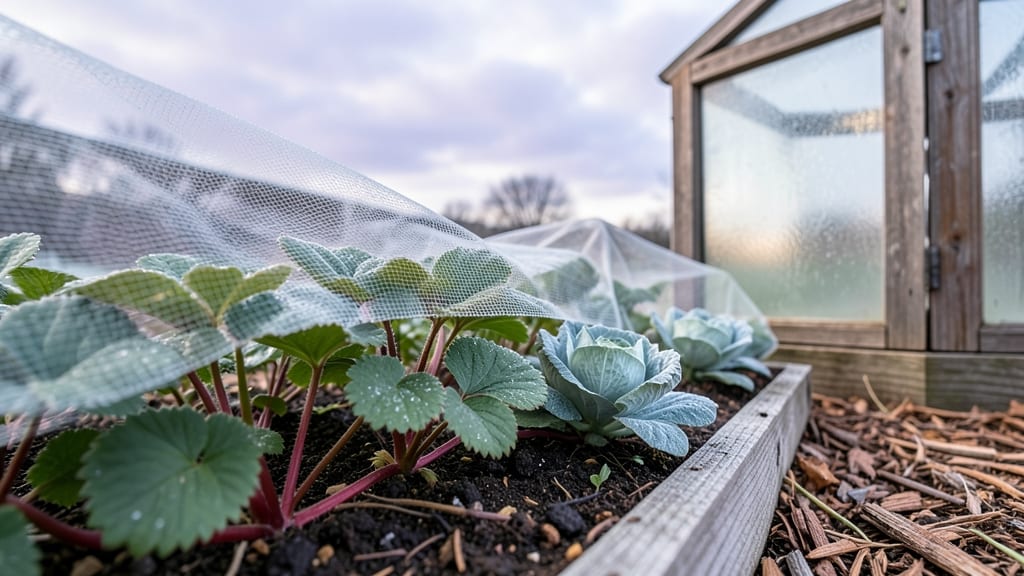
When strawberries and lettuce are just starting to thrive in your garden but frost warnings linger into May, don’t panic—there are simple ways to protect them. Row covers and cold frames are your best tools to extend the season without complicated setups, even in Michigan’s unpredictable early spring.
Lightweight frost cloth (made of spunbond polyester) lets sunlight and water through while blocking damaging temperatures down to 24°F. Secure it with bricks or stakes to avoid wind damage, and remove it on warm days to prevent overheating. For cold frames, use clear plastic lids over wooden boxes—ideal for strawberries and leafy greens, as they trap heat during the day and release it slowly at night.
These methods work best for home gardeners in zones where frost lingers late, giving you weeks of extra harvest time. With the right protection, your delicate plants can thrive even when Mother Nature isn’t cooperating. 🌱
Late Summer Frost Risks for Michigan’s Humid Climate
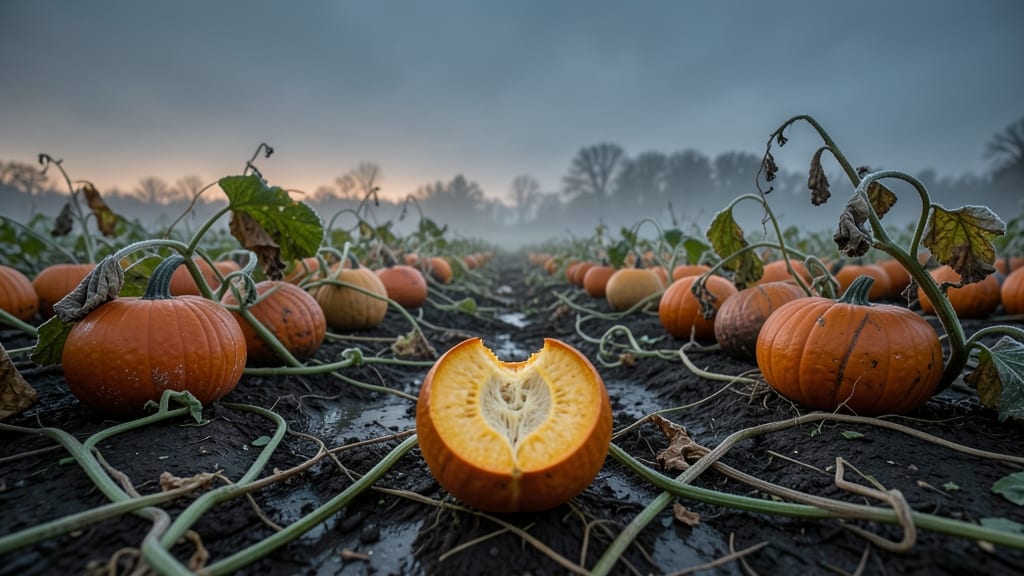
Southern Michigan’s humid climate creates a sneaky frost risk in September that can turn your pumpkin patch into a sad, shriveled mess overnight. Unlike spring frosts, these late-season chills arrive unpredictably—sometimes in mid-September—when your winter squash and pumpkins are just reaching maturity. The high humidity traps cold air near the ground, making frost more likely in low-lying areas or open fields.
To save your harvest, monitor weekly forecasts (not just monthly averages) and use row covers or black plastic mulch to insulate soil and plants. For pumpkins, prioritize varieties like ‘Howden’ or ‘Jack Be Little’, which mature in 90–100 days—just enough time to beat the frost. If a frost warning hits, harvest vines (even if the fruit isn’t fully ripe) and cure them indoors; they’ll ripen slowly with proper airflow.
This is especially critical for small farms and home gardeners in southern Michigan’s Zones 5b–6a, where September frosts can arrive 1–2 weeks earlier than expected. A little preparation now means the difference between a bountiful harvest and wasted effort. 🌻
Historical Frost Date Trends Over 30 Years
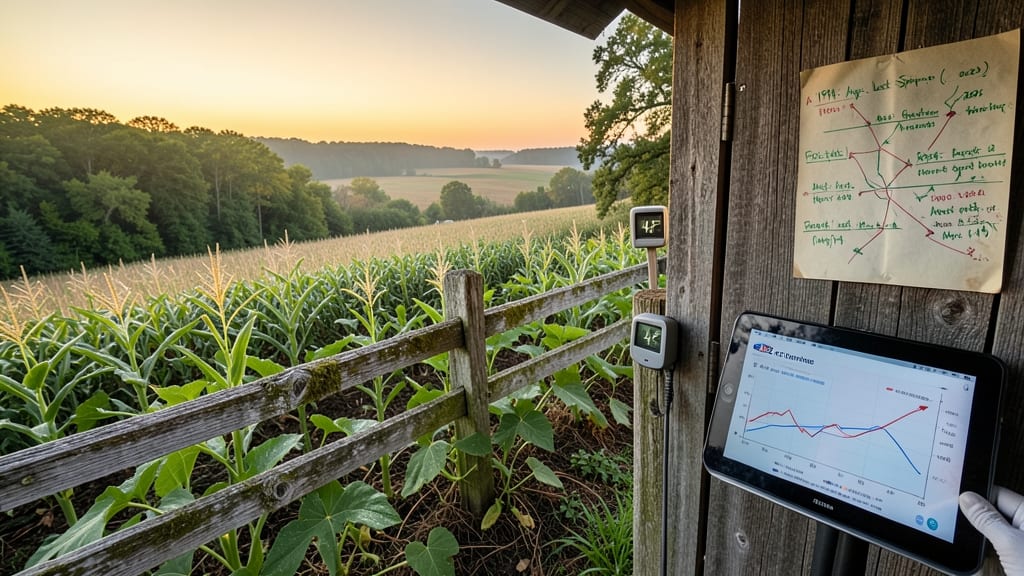
Michigan State University’s 30-year frost date records reveal a clear warming trend—last spring frosts are arriving 1–2 weeks earlier in southern zones while first fall frosts delay by 5–10 days in northern areas. This shift means traditional planting windows for okra, sweet potatoes, and southern peas now need adjustment to avoid frost damage.
Use these trends to extend your growing season: plant heat-loving crops 2 weeks earlier than old guidelines suggest, or choose faster-maturing varieties. For example, sweet potatoes (typically needing 90–120 days) can now thrive in southern Michigan with adjusted timing. Track local data—some counties show up to 14-day shifts in frost timing since 1990.
This data is a game-changer for urban gardeners and small farms pushing limits with tropical crops. With warmer nights, even Traverse City might soon support okra—if you time it right! 🌻
Perennial Planting Windows in Michigan’s Microclimates
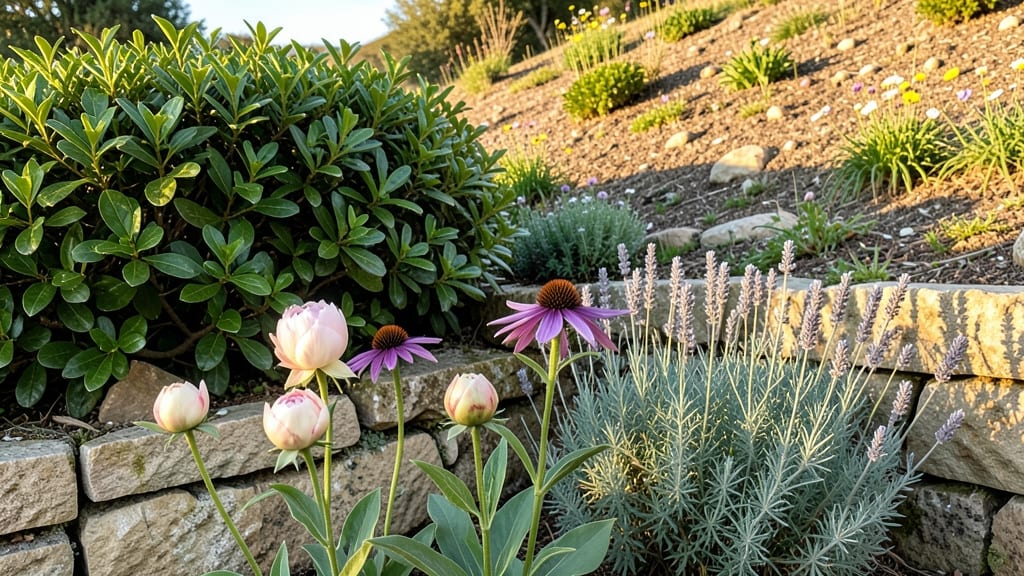
If your garden sits near a stone wall, dense shrubbery, or a south-facing slope, you’ve got a microclimate that delays frost—perfect for planting peonies, coneflowers, and lavender earlier than the official frost dates suggest. These sheltered spots can stay 5–10°F warmer at night, giving perennials a head start before the first hard freeze.
For Zone 5–6 gardens (most of Michigan), aim to plant bare-root perennials in early April in these microclimates, about 3–4 weeks before the average last frost date. Peonies benefit most from this early window—they establish roots slowly but thrive when given extra time. Coneflowers and Russian sage, which handle cooler soils, can also go in by mid-April. Mulch with straw or shredded leaves to insulate roots from late frosts.
This strategy is a game-changer for beginner gardeners or those with limited space—it maximizes blooms and minimizes frost damage. Just monitor local forecasts, and you’ll enjoy longer bloom seasons from your perennials. 🌷
Urban Gardening Frost Adjustments for Concrete Heat Islands
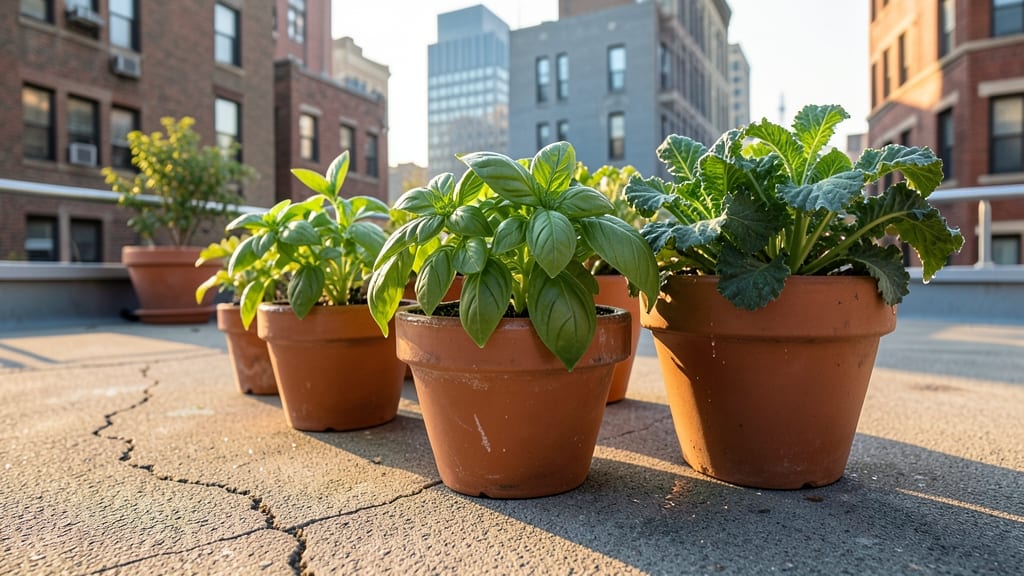
If you’re growing container herbs like basil or leafy greens in Detroit or Grand Rapids, your urban garden might experience frost dates that are 2–5°F warmer than rural areas—thanks to the "heat island" effect of concrete and asphalt. This microclimate shift can delay first frosts by 1–2 weeks, giving you extra time for warm-season crops.
To adjust, track local weather stations in your neighborhood rather than county-wide averages, as urban areas can stay 5°F warmer at night than surrounding farmland. For container-grown plants, use thermometers in your pots to monitor soil temps—herbs like cilantro and lettuce may survive a few degrees colder than rural frost dates suggest. Elevate pots slightly to improve airflow and reduce heat retention overnight.
Urban gardeners with limited space benefit most from this adjustment—it means you can push your planting windows later in spring or delay harvests slightly in fall. Just be prepared for sudden temperature drops when cold fronts move in. 🌿
Frost Date Exceptions for Lakeside Gardens
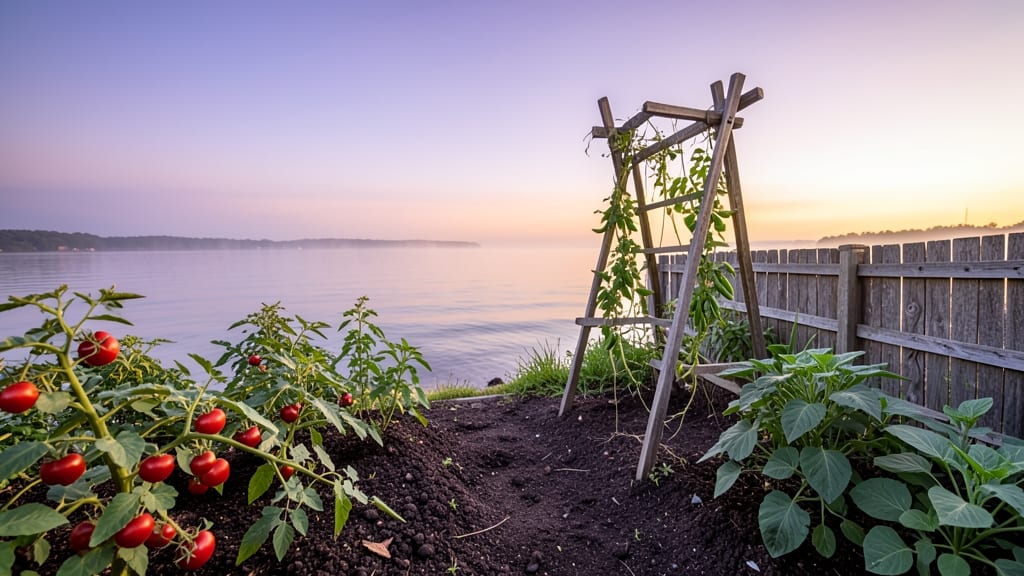
If you live near Lake Michigan, Lake Huron, or Lake Superior, your garden enjoys a secret advantage: warmer nights near the water can delay frost by 1–2 weeks compared to inland areas. This means Traverse City gardeners often get an extended season for tomatoes, peppers, and eggplants—sometimes pushing the last frost date back into late May or early June instead of mid-May.
This lakeside effect happens because large bodies of water absorb and release heat slowly, keeping nighttime temperatures 5–10°F warmer than inland spots. For tomatoes, this extra time lets you plant 2–3 weeks later than standard frost date charts suggest. Just monitor local forecasts—coastal breezes can still bring sudden cold snaps, especially in exposed areas.
Gardeners in Zone 5b–6a near the lakes benefit most, as this delay lets them grow heat-loving crops without rushing. Plant determinate tomato varieties (like 'Early Girl') for a concentrated harvest, or try peppers (which thrive in the extended warmth). 🌻
Emergency Frost Preparedness Checklist for Michigan Gardeners

When Michigan’s unpredictable weather delivers a surprise late frost—like the September surprise that caught many gardeners off guard in 2022—your garden’s survival depends on quick action. Unlike seasonal frost warnings, these unexpected drops can hit anytime, turning lush tomato plants into crispy reminders of why preparation matters.
Start by covering tender plants with frost cloth or lightweight blankets before sunset, securing edges with rocks or stakes to prevent wind damage. For container gardens, move pots closer to the house or under eaves where warmth lingers. Adjust irrigation too—watering the night before helps soil retain heat, while avoiding wet foliage prevents ice formation. Monitor forecasts using apps like Michigan State University’s Enviro-Weather for real-time alerts, and keep a stash of row covers ready for emergencies.
This checklist is a lifesaver for home gardeners in all zones, especially those with high-value crops like peppers or melons. With these steps, you’ll turn a potential disaster into just another day in the garden—with happy, frost-free plants. ✨