
Planting
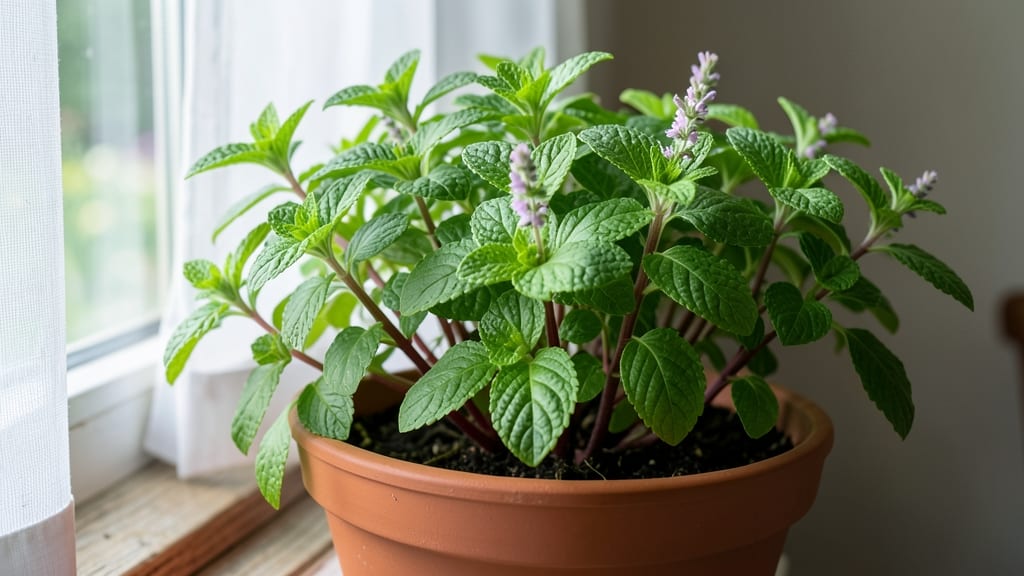
Growing a lemon-scented mint plant that smells like sunshine in a pot is easier than you think. 🌿 This zesty variety—Mentha × piperita 'Citrata'—packs a bright citrus punch that transforms any sunny windowsill or patio into a fragrant oasis.
Unlike its peppermint cousins, this lemony mint thrives with minimal fuss, making it perfect for both seasoned gardeners and beginners.
The secret lies in its love for bright, indirect light and well-draining soil that stays consistently moist but never soggy. A 6-inch pot with drainage holes works wonders, and a south-facing window or partial shade in hot climates keeps the leaves vibrant.
Overwatering is the biggest mistake—yellowing leaves mean it’s time to let the soil dry out slightly between waterings.
Once established, this lemony powerhouse grows aggressively, so prune regularly to encourage bushier growth and stronger fragrance. Snip stems just above a leaf node, and you’ll get fresh, citrusy leaves ready for teas, cocktails, or garnishes in just 2-3 weeks. The aroma alone makes it worth growing!
Bonus: It’s a natural pest repellent—plant it near roses or veggies to keep aphids at bay. Just be warned: it spreads fast, so contain it in pots or a dedicated bed. Ready to grow your own sunshine in a pot?
📚 In This Guide
- What you need
- Instructions
- Tips and common mistakes
- Wrapping up and next steps
What you need
- ● Lemon mint seeds or cuttings: Choose Mentha × piperita 'Citriodora' (lemon-scented mint) from a trusted nursery or online seed supplier.
- ● Well-draining potting mix: 2–3 gallons of a peat-free blend (e.g., 60% coco coir, 30% perlite, 10% compost) to prevent soggy roots.
- ● Containers: 1–2 6–8 inch pots (for seeds) with drainage holes.
- ● OR 1 12–16 inch pot (for cuttings or mature plants).
- ● Watering can or spray bottle: With a fine rose nozzle for gentle hydration.
- ● Fertilizer: A balanced liquid fertilizer (10-10-10) or organic options like fish emulsion (diluted to half-strength).
- ● Grow lights or sunny windowsill: 4–6 hours of direct sunlight daily (south- or west-facing is ideal).
- ● Pruning shears (for trimming leggy growth).
- ● Humidity dome or plastic wrap (to retain moisture for seedlings).
- ● pH testing kit (ideal soil pH: 6.0–7.0).
- ● Mulch (e.g., shredded bark) to retain moisture and suppress weeds.
- ● Gloves (to protect your hands from mint’s sticky oils!).
How to grow a lemon-scented mint plant with intense citrus fragrance
This fragrant variety thrives in sunny pots and delivers a zesty aroma that brightens any space.
🌱 Step 1: Select the Right Lemon Mint Variety
Choose Mentha × piperita 'Citriodora' or Mentha × villosa 'Lemon' for that bright, lemony scent. These varieties pack the most citrus punch compared to regular peppermint. I always buy from a reputable nursery—avoid grocery store plants, as they're often weak or treated with growth inhibitors. Look for healthy stems with vibrant green leaves and no signs of yellowing or spots.
If you're starting from seed, expect a longer wait—4-6 weeks—for germination, while propagating from cuttings gives you 3-4 weeks of faster, more reliable growth. The key is patience here; lemon mint grows aggressively once established, so don't rush the early stages. I like to take cuttings from a trusted friend's plant in early spring for the best results.
🪴 Step 2: Prepare Containers and Soil for Optimal Growth
Use 6-8 inch pots with drainage holes—lemon mint hates soggy roots. I prefer terracotta because it breathes and helps prevent root rot in humid conditions. Fill the pot with a well-draining potting mix (avoid garden soil—it compacts too much). Add a handful of perlite or coarse sand to improve aeration.
Mint thrives in part sun to full sun (6+ hours daily), but lemon mint especially loves bright light to intensify its citrus aroma. If your space is shady, don’t worry—it’ll still grow, but the scent will be milder. Water the soil until it’s evenly moist but not soggy, then let it drain completely before planting.
🌿 Step 3: Plant and Encourage Bushy Growth
Plant your lemon mint 1-2 inches deep, covering the roots but leaving the top of the stem exposed. Gently firm the soil around the base to eliminate air pockets. If using cuttings, dip the stem in rooting hormone first—this speeds up root development by 2-3 weeks. Place the pot in a sunny spot where it gets morning sun and afternoon shade (if temperatures exceed 85°F).
Pinch back the tips of new growth when the plant reaches 4-6 inches tall to encourage bushier, more fragrant foliage. This step is crucial—if you skip it, your mint will grow leggy and sparse. I also rotate the pot quarter-turn weekly so the plant grows evenly toward the light, not just stretching in one direction.
💧 Step 4: Water and Fertilize for Maximum Citrus Flavor
Water when the top inch of soil feels dry—mint is drought-tolerant once established, but consistent moisture keeps the leaves lush and aromatic. Overwatering leads to yellow leaves and weak scent. I use a self-watering pot in summer to maintain steady moisture without drowning the roots.
Feed with a balanced liquid fertilizer (10-10-10) every 4-6 weeks during growing season (spring-fall). Lemon mint responds well to occasional Epsom salt (1 tablespoon per gallon of water) to boost magnesium—this enhances the lemony fragrance. Stop fertilizing in winter when growth slows.
✂️ Step 5: Prune and Harvest for Long-Lasting Fragrance
Harvest leaves regularly to encourage new growth and intensify the scent. Snip stems just above a leaf node with clean, sharp scissors—never tear leaves by hand, as this damages the plant. The best time to harvest is morning, after dew has dried but before the sun peaks. This preserves the essential oils that give lemon mint its signature zing.
Prune back one-third of the plant in early spring to refresh growth and remove any woody stems. Divide mature plants every 2-3 years to rejuvenate them—mint loses vigor over time. I always replant divisions in fresh soil to keep the scent strong and the growth vigorous.
Tips & tricks for growing lemon-scented mint with intense fragrance
Here's what nobody tells you about maximizing that zesty lemon aroma in your mint plants.
Variety Selection Matters: The difference between a mild mint and a lemon-scented powerhouse starts with choosing Mentha × piperita 'Citriodora' or Mentha × villosa 'Lemon'. These varieties contain higher concentrations of citral—the compound responsible for that bright lemon scent. If you're starting from seed, be patient—the 4-6 week germination period is worth it for that intense citrus punch.
Light Exposure Enhances Citrus Flavor: Lemon mint thrives in part sun to full sun (6+ hours daily) because sunlight boosts the production of essential oils that create that lemony aroma. Place your pot where it gets morning sun and afternoon shade—this prevents leaf scorch while maximizing fragrance development. In hot climates (above 85°F), provide afternoon shade to protect leaves without sacrificing light exposure.
Pruning Technique for Maximum Aroma: When you pinch back the tips of new growth at 4-6 inches tall, you're not just encouraging bushier plants—you're stimulating the production of more aromatic oils. Always use clean, sharp scissors and cut just above a leaf node. This technique, combined with regular harvesting, keeps your plant producing that signature lemon scent for months. The key is consistency—don't skip this step if you want that intense citrus fragrance.
Fertilizer Hack for Lemon Boost: While a balanced 10-10-10 liquid fertilizer every 4-6 weeks keeps your plant healthy, the real secret to enhancing that lemon scent is occasional Epsom salt treatments. Mix 1 tablespoon per gallon of water and apply it monthly during growing season. The magnesium helps boost chlorophyll production, which in turn intensifies those lemony essential oils that make your mint so fragrant.
Pro Tips for Mint Plant That Smells Like Lemon
- Here's what nobody tells you about maximizing that zesty lemon aroma in your mint plants.
- Variety Selection Matters: The difference between a mild mint and a lemon-scented powerhouse starts with choosing Men...
- Light Exposure Enhances Citrus Flavor: Lemon mint thrives in part sun to full sun (6+ hours daily) because sunlight b...
Frequently asked questions
Got questions about growing your own lemon-scented mint? Here are answers to the most common ones—so you can enjoy that zesty aroma without the stress!
How do I tell if my lemon mint is healthy?
A happy lemon mint has bright green, slightly wrinkled leaves and a vigorous, lemony scent when crushed. Yellowing leaves or slow growth? It might need more light, water, or nutrients. Check for pests like spider mites too!
How fast does lemon mint grow?
Lemon mint is a fast grower! With proper care, you’ll see noticeable growth in 2–4 weeks. It thrives in warm weather and can spread aggressively—prune regularly to keep it contained. Pro tip: Harvest leaves often to encourage bushier growth!
Can I grow lemon mint in water instead of soil?
Yes! Lemon mint does well in water, but it’s temporary. Place stems in a jar of fresh water, changing it every 3–5 days. For long-term growth, transfer to soil once roots are 2–3 inches long. Warning: Water-only growth weakens the plant over time.
Why does my lemon mint smell weak or not lemony?
Weak scent? Try these fixes:
- More sunlight: Lemon mint needs 4–6 hours of direct sun daily.
- Harvest regularly: Prune leaves to boost oil production.
- Check soil: Poor drainage or overwatering can dull the aroma.
Still faint? Your plant might be stressed—adjust care and wait a few weeks.
What’s a good alternative if lemon mint is hard to find?
If lemon mint isn’t available, try:
- Peppermint (stronger scent, less citrusy).
- Apple mint (sweeter, mild lemon notes).
- Lemon thyme (herbaceous + citrusy, but not a mint).
For true lemon flavor, pair mint with actual lemon zest in recipes!
Wrapping up and next steps
Growing a mint plant that smells like lemon is a rewarding way to bring zesty freshness to your garden or kitchen!
Whether you’re drawn to its aromatic leaves for cooking, natural remedies, or simply its vibrant charm, this citrusy twist on classic mint is easy to cultivate with the right care. Now that you’re armed with the how-tos and answers to common questions, why not take the next step?
🌱 Start small: Try growing a few stems in a pot or share your newfound knowledge with a fellow plant lover. Or, experiment with blending its leaves into teas, cocktails, or homemade cleaning products—your citrusy mint adventure is just beginning! 🍋✨