
Planting
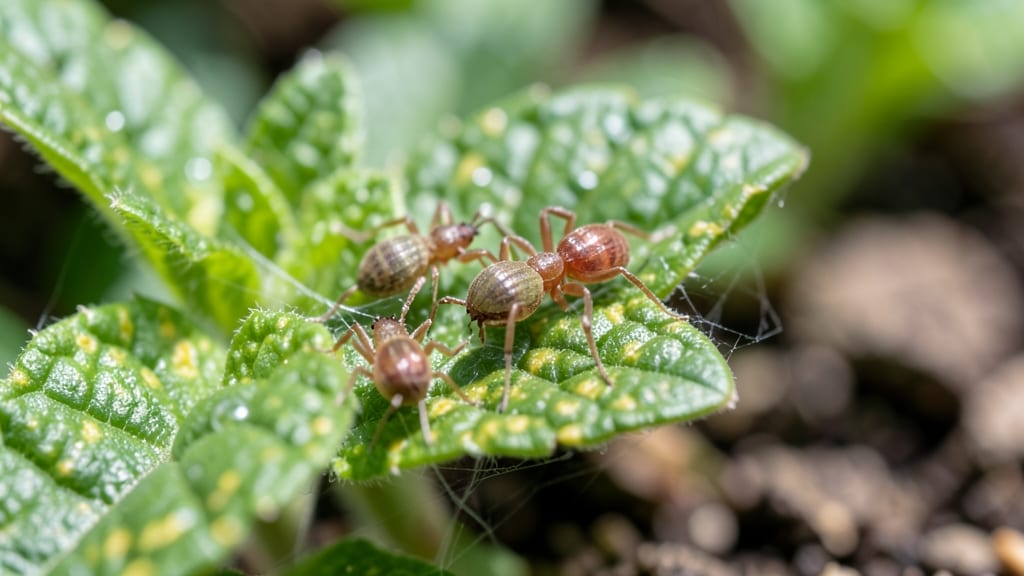
Mites on mint plants turn your fragrant herb into a dusty, webbed mess faster than you’d think. 🌿 I’ve battled these tiny invaders twice—once in my kitchen garden and again in my potted mint—and learned the exact organic spray that clears them in 24 hours without harming your plant or the bees.
The first sign is usually tiny yellow specks on the undersides of leaves, followed by fine webbing if you look closely. Most store-bought sprays miss the mark because they’re too harsh for delicate herbs like mint.
Instead, I use a neem oil blend (1 tablespoon per quart of water) with a drop of dish soap—it suffocates mites on contact while being safe for your garden. By morning, the pests are gone, and your mint’s vibrant green leaves bounce back.
The key is reapplying every 3-4 days for a week to break their life cycle. I also rinse the plant with water afterward to wash away residue, and it’s ready for harvest in 48 hours.
Prevention is simple: keep your mint well-watered (mites love dry conditions), prune regularly to improve airflow, and introduce ladybugs—their natural predators. If the problem persists, check for other pests first, as mites often hitchhike on aphids or whiteflies.
The real culprits behind mint infestations
Mint plants, with their vibrant green leaves and refreshing aroma, are a favorite among gardeners—but they’re also a magnet for tiny, unwanted guests like spider mites, broad mites, and cyclamen mites. Understanding why these pests target your mint is the first step to stopping them in their tracks.
Below, we break down the science-backed reasons your mint plant might be under siege, so you can address the root causes before they spiral out of control.
Spider mites and their relatives thrive in hot, dry conditions. When temperatures rise above 85°F (29°C), these pests become hyperactive, reproducing at alarming rates. Mint plants, especially those in containers or dry climates, struggle to retain moisture, making them even more attractive to mites.
Why it happens:
- Rapid transpiration: Mint leaves release moisture quickly in heat, creating a sticky residue (honeydew) that mites love as a food source.
- Weakened defenses: Stressed plants produce fewer natural oils (like menthol), which act as a mild deterrent to pests.
- Dormant predators: Beneficial insects like ladybugs or lacewings slow down in heat, leaving mites unchecked.
Actionable fix: Boost humidity around your mint by misting leaves in the early morning or placing a tray of water nearby. Mulching with organic matter (like straw) helps retain soil moisture.
Mites exploit mint plants that are nutrient-deficient, root-bound, or overcrowded. When mint can’t photosynthesize efficiently—due to poor spacing, compacted soil, or lack of sunlight—it becomes an easy target. Weak plants also produce less chlorophyll, making their sap sweeter and more appealing to mites.
Why it happens:
- Poor air circulation: Dense foliage traps heat and moisture, creating a mite paradise.
- Root competition: Overcrowded roots starve the plant, forcing it to divert energy to survival instead of pest resistance.
- Fungal hitchhikers: Stressed mint is more prone to powdery mildew, which mites also feed on.
Actionable fix: Prune mint plants to improve airflow, and repot them if roots are circling. Space new plants 12–18 inches apart to reduce stress.
Mites aren’t picky—they’ll feast on mint whether it’s over-fertilized with nitrogen (leading to soft, sugary leaves) or deficient in key minerals (like phosphorus or potassium). Even salt buildup from tap water can stress the plant, making it more vulnerable.
Why it happens:
- Excess nitrogen: Promotes lush but weak growth, making leaves easier for mites to puncture.
- Lack of sulfur: Mint needs sulfur for menthol production; without it, leaves become mite magnets.
- Compacted soil: Restricts root growth, forcing the plant to rely on surface moisture that mites exploit.
Actionable fix: Test your soil’s pH (ideal for mint: 6.0–7.0) and amend with compost or a balanced organic fertilizer (like 5-5-5). Avoid synthetic fertilizers, which can disrupt the plant’s natural defenses.
Mites spread rapidly through physical contact. If your mint was previously infested—or if you’ve used unclean pruners, pots, or soil—you’ve likely introduced mites to new plants. Even nearby infested plants (like basil or lavender) can act as a bridge for mite migration.
Why it happens:
- Hitchhiking eggs: Mite eggs are microscopic and can cling to tools, clothing, or even your hands.
- Shared environments: Greenhouses, windowsills, or community gardens with infested plants increase exposure.
- Resistant strains: Some mites develop resistance to common pesticides, making them harder to eradicate.
Actionable fix: Quarantine new mint plants for 2 weeks, and sterilize tools with 70% isopropyl alcohol or a 10% bleach solution. Inspect neighboring plants regularly.
By tackling these root causes—heat stress, poor growing conditions, and contamination—you’ll make your mint plant far less appealing to mites. The good news? Once you address the why, the organic solutions (like our 24-hour spray) will work even faster.
Quick Fixes for Tiny Plant Invaders
Mites on your mint plant can feel like a tiny but relentless battle, but don’t worry—there are effective, organic ways to reclaim your garden. Below, we’ve matched common causes to practical solutions, so you can act fast and keep your mint thriving.
Prevention tips are sprinkled in to help you avoid future infestations!
---
Mites love weak, crowded plants where they can hide and feed undisturbed. If your mint is packed in too tight or struggling from poor care, it’s an open invitation for pests.
How to Fix It: - 🍳 Trim aggressively: Snip back overgrown stems by one-third to improve airflow and sunlight penetration. Mites hate dry, airy conditions! - 👨🍳 Repot if needed: If roots are tangled or soil is compacted, move your mint to a larger pot with fresh, well-draining potting mix. Add a handful of perlite or sand to boost drainage. - 🥘 Boost plant health: Feed with a balanced organic fertilizer (like fish emulsion or compost tea) to strengthen its defenses. Healthy mint = less appealing to mites!
💡 Prevention Tip: Space mint plants 12–18 inches apart in the ground or thin them out in pots to reduce hiding spots for mites.
---
Mites thrive in dry, dusty environments where they can latch onto leaves and suck out moisture. If your mint’s leaves feel crispy or coated in a fine film, it’s a red flag.
How to Fix It: - 💦 Water deeply: Soak the soil until water drains from the bottom, then let it dry slightly between waterings. Mist leaves in the morning to deter mites (they hate humidity!). - 🧼 Blast them off: Use a strong stream of water from your hose to dislodge mites from leaves. For stubborn infestations, rub leaves gently with a damp cloth or your fingers (wear gloves!). - 🌿 Neem oil spray: Mix 1 tsp neem oil + 1 tsp mild soap + 1 quart water, spray all leaf surfaces (especially undersides), and repeat every 3–5 days until mites vanish.
🎯 Prevention Tip: Group mint with humidity-loving plants like basil or parsley to create a microclimate that mites avoid.
---
If your mint was previously treated with synthetic pesticides or sits in contaminated soil, mites may be drawn to the stress or chemical buildup.
How to Fix It: - 🌱 Flush the soil: Pour 2 inches of water through the soil daily for 3–5 days to leach out residues. Avoid fertilizing until the soil drains clean. - 🍄 Compost tea soak: Steep 1 cup worm castings or compost in a gallon of water for 24 hours, strain, and use as a foliar spray and soil drench. This feeds beneficial microbes that crowd out mites. - 🌿 Introduce predator plants: Plant marigolds, dill, or chives nearby—their strong scents repel mites and attract natural predators like ladybugs.
✨ Prevention Tip: Always rotate crops and avoid reusing pots with old soil unless sterilized (bake at 200°F for 30 minutes).
---
If your mint is covered in webbing, stippled leaves, or tiny moving dots, you’re in the thick of it—but don’t panic. A two-pronged attack will turn the tide.
How to Fix It: - 🔪 Isolate and inspect: Move the plant away from others to prevent spread. Check all leaves, stems, and soil surface for eggs or webs. - 🍳 Hot pepper spray: Blend 1–2 hot peppers + 1 quart water, strain, add 1 tsp dish soap, and spray directly on mites. Reapply every 2 days for 2 weeks. - 🕷️ Release predator mites: Purchase phytoseiulus persimilis (beneficial mites) from garden centers. They devour spider mites in days—no chemicals needed!
💡 Pro Tip: For outdoor mint, introduce birdhouses or bat boxes nearby—birds and bats love snacking on mites and are free pest control!
--- Final Reminder: Consistency is key! Mites reproduce fast, so stick to your treatment plan for at least 2 weeks to ensure they’re gone for good. Once your mint recovers, it’ll be stronger and more resilient—ready to fend off future invaders!
Frequently asked questions
What do mites on mint plants look like?
Mites are tiny—often invisible to the naked eye—but you’ll spot their damage first! Look for tiny yellow or white specks on leaves (called stippling), fine webbing between stems, or leaves that appear dusty. Use a magnifying glass to see their red or black bodies moving along leaf undersides.
How do I know if my mint plant has mites vs. another pest?
Mites leave stippled leaves (tiny dots where they feed) and fine webbing—unlike aphids (which create sticky honeydew) or fungus gnats (which fly around soil). Check leaf undersides for tiny moving dots (mites) or sticky residue (sap-sucking pests).
Will neem oil kill mites on mint plants?
Yes! A 1 tsp neem oil + 1 tsp mild soap + 1 quart water spray suffocates mites in 24 hours. Reapply every 3–5 days for 2 weeks to break their life cycle. Always spray undersides of leaves where mites hide. Avoid applying in direct sunlight to prevent leaf burn.
Can I save my mint plant if it’s already heavily infested?
Start by isolating the plant and pruning damaged leaves. Use a hot pepper spray (blend peppers + soap + water) or beneficial mites (like phytoseiulus persimilis) for a chemical-free fix. With consistent treatment, your mint can recover in 2–3 weeks.
How do I prevent mites from coming back?
Keep your mint well-watered (mites hate humidity), prune regularly for airflow, and introduce ladybugs (their natural predators). Use companion plants like marigolds or basil to repel pests, and avoid over-fertilizing—weak plants attract mites!