
Planting
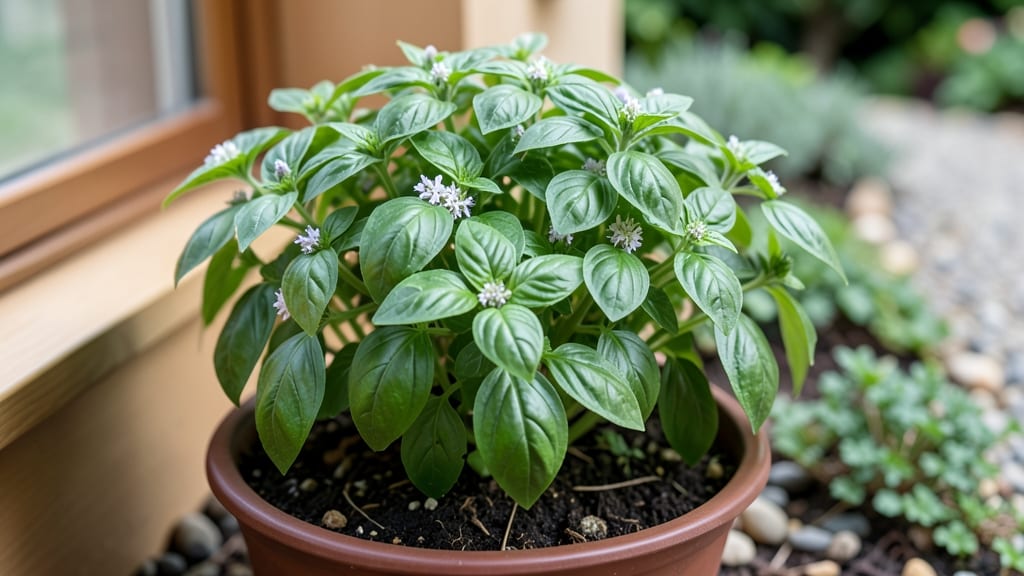
A perpetual basil plant that never quits producing fresh leaves—this is the gardening game-changer I’ve been waiting for. 🌿 I spent years snipping basil until the plants bolted or turned woody, but these varieties keep growing back like they’ve got a secret stash of energy.
The trick isn’t just in the soil or water—it’s in how you prune and care for them to trigger that endless regrowth. Most gardeners give up after the first flush of leaves, but perpetual basil thrives when you treat it like a living harvest machine.
Give it 6+ hours of sunlight daily, keep the soil moist but not soggy, and pinch off flowers before they form—those little blooms drain the plant’s energy faster than you can say “pesto”.
Within 3-4 weeks, you’ll see fresh growth ready for your next batch of pasta or sandwiches. What’s wild is how these plants rebound after heavy harvesting. I’ve pulled entire stems for cooking, and by the next week, new shoots emerge from the base.
The key is to never let the plant get stressed—no wilting, no drought, no overcrowding. Even in winter, with a grow light and a sunny windowsill, you can keep the harvest going.
Here’s the best part: these plants outlast regular basil by months, sometimes even years, if you keep them happy. No more buying wilting supermarket basil or struggling with short-lived pots. Let’s turn your kitchen into a basil powerhouse—without the burnout.
📚 In This Guide
- What you need
- Instructions
- Tips and common mistakes
- Wrapping up and next steps
What you need
- ● Perpetual basil seeds or seedlings: Choose a variety like Genovese or Sweet Basil (2–4 plants for a small harvest).
- ● Containers: At least 12-inch deep pots with drainage holes (3–5 pots for multiple plants). Terracotta or fabric pots work best.
- ● High-quality potting mix: Lightweight, well-draining soil (5–10 lbs, depending on pot size). Avoid garden soil—it’s too dense!
- ● Slow-release fertilizer: Balanced 10-10-10 or organic options like compost (1–2 tbsp per pot).
- ● Watering can or spray bottle: For gentle hydration (avoid soggy roots!).
- ● Pruning shears: Sharp, clean pair for harvesting and trimming (small bypass pruners work great).
- ● Grow lights or sunny windowsill: 6–8 hours of light daily (LED grow lights are ideal for indoor setups).
- ○ Humidity tray or pebble tray: Optional but helpful for maintaining moisture (especially in dry climates).
- ● Label markers: To track planting dates and varieties (because who remembers everything?).
Step-by-step instructions for growing perpetual basil plants
Here's how to keep your basil thriving all year with minimal fuss—no more sad, leggy plants!
🌱 Step 1: Start with Healthy Starter Plants
Pick 4 basil plants from your garden center or nursery—look for ones with bright green, compact leaves and thick stems. Avoid plants with yellowing leaves or brown edges, as these often indicate stress or disease that’ll spread to your perpetual crop. I like to choose Genovese or Thai basil for their hardiness and flavor.
Remove the plants from their pots and gently loosen the roots if they’re root-bound. This encourages new root growth, which is key for long-term health. Give them a quick rinse under lukewarm water to remove any nursery soil that might harbor pests or diseases. Let them sit for an hour before planting so the roots can recover from the shock.
☀️ Step 2: Choose the Perfect Container Setup
Use 4 identical containers (I prefer 8-inch pots with drainage holes) for each plant to give them room to grow. Fill the bottom 2 inches of each pot with gravel or broken pottery to improve drainage—this prevents waterlogging, which basil hates. Basil roots need oxygen, and soggy soil suffocates them.
Fill the remaining space with high-quality potting mix (avoid garden soil—it compacts and drains poorly). Mix in a slow-release fertilizer (like 1 tablespoon per pot) to give your plants a steady nutrient supply. Press the soil down lightly so it’s firm but not packed, and water until it’s evenly moist but not soggy.
💧 Step 3: Plant and Water for Immediate Establishment
Place each basil plant in its pot, ensuring the top of the root ball sits just below the rim. This keeps the soil level consistent and prevents water from spilling over during watering. Gently firm the soil around the base to eliminate air pockets, then water deeply until water runs out the drainage holes. This ensures the roots make full contact with the moist soil.
Set the pots in a location with 6-8 hours of bright, indirect light (a south-facing window or under grow lights). Basil needs light to thrive, but direct midday sun can scorch tender new leaves. Watch for drooping leaves—this is your cue to water again. Keep the soil consistently moist but not waterlogged for the first 2 weeks to help the roots establish.
✂️ Step 4: Prune and Harvest Strategically
Once your basil plants have 4-6 sets of true leaves, it’s time to start pruning. Pinch off the top set of leaves just above a pair of leaves to encourage bushier growth. This might seem counterintuitive, but it triggers the plant to branch out, giving you more leaves to harvest later. Repeat this every 2-3 weeks to keep the plant compact and productive.
Harvest leaves regularly—never take more than ⅓ of the plant at once. Use clean scissors or fingers to snip just above a leaf node (where leaves meet the stem). This encourages new growth and prevents the plant from flowering, which turns leaves bitter. Harvest in the morning when oils are at their peak for the best flavor.
🪴 Step 5: Overwinter for Year-Round Growth
When temperatures drop below 50°F, move your basil indoors near a south-facing window or under grow lights. Reduce watering slightly since indoor air is drier, but keep the soil lightly moist. Basil can go dormant in winter, so don’t panic if growth slows—just keep it alive until spring.
In late winter, trim back any leggy growth and fertilize lightly with a balanced liquid fertilizer (half-strength). Increase light exposure gradually to avoid shocking the plant. By spring, your basil will bounce back, ready for another round of harvests. This method keeps your plants productive for years with minimal effort!
Tips & tricks for perfect perpetual basil growth
Real talk: Keeping basil alive past summer takes more than just sticking it in a pot. Here's what actually works to turn seasonal plants into year-round producers.
Light is Everything: Those 6-8 hours of bright, indirect light aren't negotiable. If your windows are dim, supplement with a simple LED grow light (even a $20 clip-on bulb works). I've seen basil go dormant in winter just because the light was too weak—watch for yellowing leaves as your first warning sign. Place your pots within 6 inches of the light source for best results.
Root Shock Prevention: That one-hour recovery period after rinsing the nursery plants isn't just a suggestion—it's crucial. I learned this the hard way after losing half my plants from transplant shock. During this hour, gently mist the roots with water to keep them hydrated while they adjust. Pro tip: If you're in a hurry, soak the roots in room-temperature water for 10 minutes instead of waiting an hour.
Pruning Precision: When you're pinching those top sets of leaves, aim for the spot just above where two leaves meet. This creates a "leaf axil" that will sprout new branches. I always use my thumb and forefinger to pinch rather than cutting—it's gentler on the plant. And here's a secret: The first pinch should happen when you see the 4th set of true leaves, not the 6th. Early pruning gives you more harvests over time.
Winter Survival Hack: That 50°F threshold isn't just about moving plants indoors—it's about preventing cold stress. If you're in a chilly climate, consider adding a small space heater near your windowsill (safely!) to maintain consistent temperatures. I've kept basil thriving through winter by using a simple ceramic heat emitter that runs on a timer—no fancy equipment needed.
Pro Tips for Perpetual Basil Plant
- Real talk: Keeping basil alive past summer takes more than just sticking it in a pot. Here's what actually works to t...
- Light is Everything: Those 6-8 hours of bright, indirect light aren't negotiable. If your windows are dim, supplement...
- Root Shock Prevention: That one-hour recovery period after rinsing the nursery plants isn't just a suggestion—it's cr...
Frequently asked questions
Got questions about growing perpetual basil?
You’re not alone! Here are answers to the most common queries—so you can keep that fresh, flavorful basil coming all year long.
What’s the best way to overwinter perpetual basil indoors?
Move your basil to a sunny window or under grow lights (12–14 hours/day) when temps drop below 50°F. Prune it lightly to encourage bushiness, and water only when the soil feels dry. A south-facing window or a grow light setup keeps it thriving through winter—just avoid drafts!
How long does it take for perpetual basil to regrow after harvesting?
With proper care, perpetual basil bounces back in 2–4 weeks! Pinch back the top sets of leaves (not stems) to encourage new growth. Avoid harvesting more than one-third of the plant at once—this ensures it stays lush and productive. Patience pays off with endless harvests!
Can I grow perpetual basil in containers, or does it need a garden bed?
Perpetual basil thrives in containers 6–12 inches deep with drainage holes. Use a well-draining potting mix, and place it where it gets 6+ hours of sunlight daily. Containers are perfect for balconies, patios, or even windowsills—just rotate the pot occasionally for even growth.
What should I do if my perpetual basil leaves turn yellow or wilt?
Yellow leaves often signal overwatering or root rot—let the soil dry slightly between waterings. Wilting can mean underwatering or heat stress. Check for pests (like aphids or spider mites) and adjust watering. If roots look mushy, trim the healthy parts and repot in fresh soil.
Does perpetual basil need special care in hot or cold climates?
In heat, mulch the soil to retain moisture and water deeply in the morning. In cold, protect it with frost cloth or move pots indoors. Perpetual basil is hardy to USDA Zone 9+, but with a little extra love, you can extend its life in cooler areas. Adaptability is its superpower!
Wrapping up and next steps
Growing a perpetual basil plant unlocks a world of fresh, homegrown flavor without the seasonal limits! With the right care—sunlight, pruning, and soil—you’ll enjoy a continuous harvest all year long.
Whether you’re a green thumb or just starting, this low-maintenance plant rewards patience with bountiful leaves for cooking, garnishes, or even healing remedies.
Ready to elevate your garden? Start small—try a single pot or a windowsill setup—and watch your basil thrive! 🌱 Next, experiment with varieties like Genovese or Thai basil to discover your favorite flavors.