
Planting
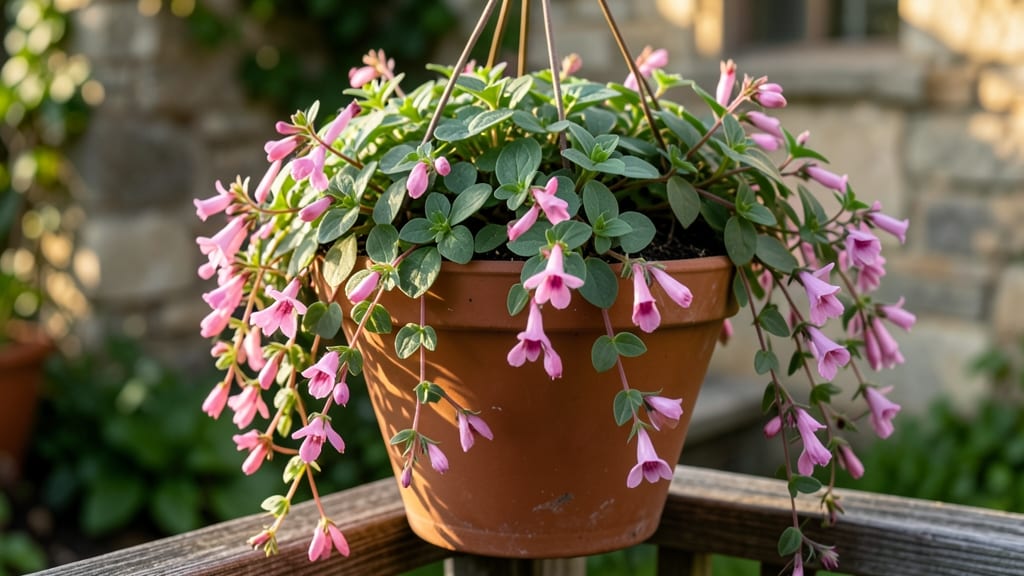
The Pink Profusion plant turns shady corners into clouds of delicate blossoms that hum with bees. 🌸 I remember the first time I spotted it in a friend’s garden—spilling over a stone border like a pink waterfall—and knew it had to be mine.
This isn’t just another pretty face; it’s a pollinator magnet that thrives where most flowers refuse to play.
What makes it special? It’s the perfect shade-lover, happy in 3-6 hours of sunlight daily, and blooms nonstop from spring until frost. The secret to its success lies in well-draining soil, consistent moisture, and occasional deadheading to keep those flowers coming.
Even my black thumb can’t kill this one—it’s that forgiving.
By summer’s end, you’ll have a lush, fragrant border that attracts butterflies and bees like nothing else. The flowers stay vibrant longer than most annuals, and the plant’s compact growth makes it ideal for hanging baskets or edging paths.
It’s the kind of plant that makes neighbors stop and ask, “What’s that?”
Works beautifully alongside hostas, ferns, or even in containers with other shade-tolerant companions. Let’s get yours growing—it’s easier than you think!
📚 In This Guide
- What you need
- Instructions
- Tips and common mistakes
- Wrapping up and next steps
What you need
- ● Pink Profusion plant: 1-3 nursery-grown plants (check for healthy stems and buds).
- ● Well-draining potting mix: 5-10 gallons (for containers) or amend garden soil with compost (1 part compost to 3 parts soil).
- ○ Container (optional but recommended): 1-2 ceramic or fabric pots (12-16 inches in diameter) with drainage holes.
- ● OR a raised garden bed (12" deep, 2-3 ft wide).
- ● Slow-release fertilizer: 1-2 tbsp (5-10g) per plant (look for a balanced 10-10-10 NPK blend).
- ● Gardening gloves (1 pair, for comfort and hygiene).
- ● Trowel or small shovel (for digging and transplanting).
- ● Watering can or hose with a gentle spray nozzle (avoid over-saturating roots).
- ○ Mulch (optional but helpful): 1-2 inches of pine bark or shredded leaves to retain moisture.
- ● Pruning shears (for trimming spent blooms or leggy stems).
How to grow a thriving pink Profusion plant
Here's my foolproof method for coaxing those signature pink blooms from this shade-loving favorite.
🌱 Step 1: Choose the Perfect Location and Container
Pink Profusion plants adore partial shade—think 4-6 hours of morning sun with afternoon shade protection. A spot under a tree canopy or on an east-facing porch works beautifully. If growing in containers, use pots with drainage holes that are at least 12 inches wide to accommodate their spreading roots.
I always check the soil first—these plants hate soggy roots. Amend heavy clay with 2-3 inches of compost or use a well-draining potting mix if container-grown. The ideal spot feels slightly damp but never waterlogged, and you'll see the plant's glossy foliage stay vibrant as a sign it's happy.
💧 Step 2: Water Consistently Without Overdoing It
Water your Pink Profusion when the top inch of soil feels dry to the touch. Stick your finger in—if it comes out clean, it's time to water. These plants are drought-tolerant once established, but they'll reward you with more blooms if kept consistently moist during their growing season (spring through fall).
I water deeply at the base, avoiding the foliage to prevent fungal issues. You'll notice the leaves perk up noticeably after watering—that's your cue everything's on track. In hotter months, you might need to water every 2-3 days, but always check the soil first.
☀️ Step 3: Feed for Maximum Blooms
Start fertilizing in early spring with a balanced, water-soluble fertilizer (10-10-10 works well) diluted to half-strength. I feed every 4-6 weeks during the growing season to encourage those signature pink clusters. Stop fertilizing in late summer to allow the plant to prepare for dormancy.
You'll see the difference within weeks—richer foliage and more abundant blooms. If you notice mostly leaves and few flowers, it's a sign the plant needs more phosphorus. Switch to a 5-10-5 fertilizer for a bloom boost, but only for one feeding cycle.
✂️ Step 4: Prune for Bushier Growth and Continuous Blooms
After the first flush of blooms fades, trim back the stems by one-third to encourage new growth. I use clean, sharp pruners and make cuts just above a leaf node. This isn't just about shaping—it's about redirecting the plant's energy toward producing more flowers rather than long, leggy stems.
Deadhead spent blooms regularly throughout the season to prevent seed formation. You'll be rewarded with a second flush of flowers that lasts well into fall. Just avoid heavy pruning in late summer, as this can prevent the plant from hardening off for winter.
🌿 Step 5: Prepare for Winter Dormancy
As temperatures drop below 50°F, reduce watering significantly—only enough to keep the soil from drying out completely. In colder climates (below 20°F), protect container-grown plants by wrapping them in burlap or moving them to a sheltered location. Mulch the base with 2-3 inches of straw for ground plants.
You'll know your Pink Profusion is ready to come back in spring when you see fresh green shoots emerging. Resume regular watering and fertilizing once the soil warms up, and you'll have another season of vibrant pink blooms ahead.
Tips & tricks for perfect pink Profusion plant care
Here's what nobody tells you about keeping these shade-loving beauties thriving all season long.
Location Secret: That 4-6 hours of morning sun is non-negotiable for vibrant blooms. I've learned the hard way—too much afternoon sun causes leaf scorch, while too little morning light results in sparse flowers. Test your spot by placing a plant there for a week before committing to permanent placement. The leaves should stay glossy and green, not wilted or yellowed by midday.
Soil Test Tip: Before planting, do this quick check: squeeze a handful of soil—if it forms a tight ball that doesn't crumble when dropped, you need more compost. I always mix in those 2-3 inches of compost right into the planting hole, not just on top. This creates the perfect slightly damp-but-draining environment these plants crave. Think of it as their secret foundation for success.
Watering Wisdom: The top inch dry test is your best friend, but here's the pro move: water in the morning so foliage has all day to dry. Wet leaves at night invite fungal problems. I use a rain gauge to track how much water my plants actually get—sometimes we think we're watering enough, but drought conditions mean we're not. Adjust your schedule based on real rainfall measurements, not just what feels right.
Fertilizer Strategy: That 4-6 week feeding schedule works perfectly, but here's my bonus tip: alternate between the 10-10-10 and 5-10-5 fertilizers every other feeding. The first gives balanced growth, the second pushes blooms. I mark my calendar with "Growth Month" and "Bloom Month" to keep track. And always dilute that fertilizer—concentrated versions can burn roots and set your plant back weeks.
Pro Tips for Pink Profusion Plant
- Here's what nobody tells you about keeping these shade-loving beauties thriving all season long.
- Location Secret: That 4-6 hours of morning sun is non-negotiable for vibrant blooms.
- Soil Test Tip: Before planting, do this quick check: squeeze a handful of soil—if it forms a tight ball that doesn't crumble when dropped, you need more compost.
Frequently asked questions
Got questions about growing the stunning Pink Profusion plant? You’re not alone! Here are answers to the most common inquiries—from care tips to troubleshooting—so you can keep those vibrant blooms thriving in your partial shade garden.
How much sunlight does a Pink Profusion plant really need?
The Pink Profusion plant loves partial shade but can handle 3–6 hours of morning sun or dappled light. Avoid harsh afternoon sun, which can scorch its delicate blooms. If leaves fade or wilt, it’s a sign it’s getting too much direct sunlight. Adjust placement gradually for best results!
How often should I water my Pink Profusion plant?
Keep the soil consistently moist but not soggy—water when the top inch feels dry. In hotter months, water 2–3 times per week, while cooler seasons may only need once a week. Overwatering can lead to root rot, so ensure pots have drainage holes if growing in containers.
Why aren’t my Pink Profusion blooms as vibrant as they should be?
Dull or sparse blooms often signal nutrient deficiency or overcrowding. Feed with a balanced, water-soluble fertilizer (like 10-10-10) every 4–6 weeks during growing season. Deadhead spent flowers to encourage new blooms, and prune leggy stems to promote bushier growth. Low light can also dull colors—try moving it closer to a bright, indirect spot.
Can I grow Pink Profusion in containers, and what’s the best pot size?
Pink Profusion thrives in containers—just choose a pot at least 12–14 inches wide with drainage holes. Use a well-draining potting mix (add perlite or sand for extra aeration). For larger plants, upgrade to a 16-inch pot to support root growth. Terracotta pots help regulate moisture, but avoid plastic if your climate gets very cold.
Is Pink Profusion frost-tolerant, or do I need to protect it in winter?
This beauty is hardy to USDA zones 5–9, but young plants or tender new growth may need protection. In colder zones, mulch the base with straw or leaves and wrap pots in burlap. If frost is forecasted, move container-grown plants to a sheltered spot. Prune back dead foliage in early spring to encourage fresh, vibrant growth.
What are some low-maintenance alternatives if Pink Profusion seems tricky?
If you’re looking for partial-shade perennials with bold blooms, try:
- Heuchera (Coral Bells) – Stunning foliage, drought-tolerant
- Bleeding Heart (Dicentra spectabilis) – Classic shade lover with heart-shaped flowers
- Astilbe – Feathery plumes in pink, white, or red
- Hosta – Easy-care with variegated leaves (great for texture)
Wrapping up and next steps
Bringing the pink profusion plant into your garden is a fantastic way to add a burst of color to shady spots—no green thumb required! 🌸 With the right care, this easygoing plant rewards you with months of vibrant blooms and minimal fuss.
Whether you’re a seasoned gardener or just starting out, its resilience and beauty make it a standout choice for any partial-shade landscape.
Ready to transform your space? Grab your supplies, follow the steps, and watch your garden flourish with pink perfection. Start small—plant one today and let its charm inspire more blooms tomorrow! 🌱