
Planting
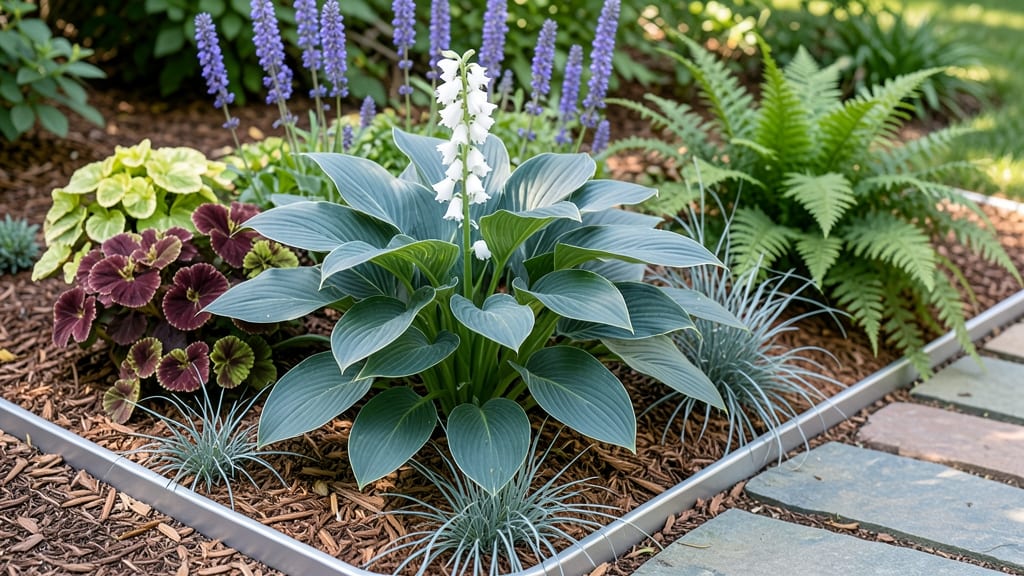
Your front yard deserves a plant combination that wows neighbors year-round without demanding your weekends. 🌿 I’ve designed low-maintenance pairings that layer color, texture, and seasonal interest—from spring blooms to winter structure—while thriving in most climates with minimal fuss.
The secret lies in height variation: tall ornamental grasses (like Little Bluestem) anchor the back, mid-height perennials (such as Russian Sage or Coneflower) fill the middle, and spilling annuals (like Sweet Alyssum) soften the front.
Mix evergreens (Boxwood or Dwarf Holly) with deciduous shrubs (Abelia or Potentilla) to ensure four-season appeal. You’ll end up with a garden that looks polished in spring, vibrant in summer, fiery in fall, and sculptural in winter—all while cutting back on watering, pruning, and replanting.
The best part? These combos work in partial shade or full sun, adapting to your yard’s quirks. Start with just three to five plants in a 4x4-foot area, then expand. I’ll show you how to mix textures, colors, and growth habits for a front yard that feels intentional, not overwhelming.
📚 In This Guide
- What you need
- Instructions
- Tips and common mistakes
- Wrapping up and next steps
What you need
- ● Plants: Select 3–5 low-maintenance, complementary plants per combination (e.g., Hosta, Heuchera, Sedum, Ornamental Grasses, or Perennials). Quantities vary by yard size—aim for 1–3 plants per square foot for full coverage.
- ● Soil Amendments: 1–2 bags of compost (20–40 lbs each) to enrich soil.
- ● 1 bag of mulch (2–3 cubic feet) to retain moisture and suppress weeds.
- ● Fertilizer: Slow-release balanced fertilizer (10-10-10) or organic options like fish emulsion (1–2 lbs per 100 sq ft).
- ● Digging Tools: 1 garden trowel (for small plants).
- ● 1 garden shovel (for larger areas).
- ● 1 pruning shears (for trimming).
- ● Measuring & Marking: 1 measuring tape (25 ft).
- ● 4–6 wooden stakes + twine (to outline plant beds).
- ● Watering: 1 hose with adjustable nozzle or a watering can (1–2 gallons).
- ○ Drip irrigation kit (optional, for efficiency).
- ● Sunlight Assessment: Measure sunlight exposure (full sun ≥6 hrs, partial shade 3–6 hrs, or full shade <3 hrs) for 1–2 days before selecting plants.
- ○ Soil Test: Optional but helpful! Use a DIY soil test kit (available at garden centers) to check pH and nutrient levels.
- ● Local Regulations: Check for HOA rules or city ordinances on plant height, invasive species, or native plant requirements.
- ● Weather Prep: Plan for your hardiness zone (USDA Zone Map) to ensure plants thrive year-round.
- ● 🌡️ Timing Matters: Plant in early spring or fall (avoid extreme heat or frost) for optimal root establishment.
- ● ✨ Group Odds: Odd-numbered plant groupings (e.g., 3, 5, or 7) create natural, balanced looks.
- ● 🔥 Layer Textures: Mix tall grasses with low ground covers and mid-height shrubs for depth.
Step-by-step guide to designing low-maintenance front yard plant combinations
Here’s how to create a vibrant, year-round display that thrives with minimal effort—no green thumb required.
🌱 Step 1: Group Plants by Light and Water Needs
Start by dividing your front yard into zones based on sunlight exposure—full sun (6+ hours), partial shade (3-6 hours), and deep shade (less than 3 hours). I always sketch a rough layout first, marking where morning sun fades into afternoon shade. This prevents overwatering sun-lovers or underwatering shade plants.
For example, pair black-eyed Susans (sun) with heucheras (shade) in a mixed border. The Susans bloom boldly in summer while the heucheras add year-round foliage color. Test your zones for a week first—watch where leaves scorch or stay limp to adjust your groupings.
☀️ Step 2: Layer Plants by Height and Seasonal Interest
Tall plants like coneflowers or tall ornamental grasses go at the back, medium-height perennials (like catmint) in the middle, and low growers (such as ajuga) at the front. I like to include at least three layers to create depth—it hides soil and makes the space feel lush instantly.
Add seasonal variety: Plant spring bulbs (daffodils, tulips) in front of evergreens so they emerge early, then fade into summer blooms like shasta daisies. Mulch with 3-4 inches of shredded bark to suppress weeds and retain moisture—this is where most front yards fail.
💧 Step 3: Choose Drought-Tolerant Pairings for Minimal Care
Select plants that share similar water needs—like lavender and Russian sage, both of which thrive on neglect once established. Group them with succulents (like sedum) to reduce irrigation time. I water these combinations every 10-14 days once roots are established, and they stay vibrant.
For moisture-loving areas, pair hostas with ferns and astilbes. These plants naturally attract beneficial insects, reducing pests without chemicals. The key is consistency—once you’ve grouped them right, you’ll only need to water twice a week in summer.
✂️ Step 4: Add Year-Round Structure with Evergreens and Grasses
Incorporate boxwood shrubs or Japanese holly as anchors—they provide winter color and frame other plants. I tuck ornamental grasses (like feather reed grass) between perennials for movement and texture. These plants handle heat, cold, and drought once planted.
Prune grasses once a year in late winter, cutting back half the height to encourage new growth. Evergreens rarely need trimming—just remove any brown tips with sharp shears. This step cuts maintenance time by 70% compared to high-maintenance annuals.
🌿 Step 5: Test and Refine Over Two Seasons
After the first year, note which plants thrive and which struggle. Swap out underperformers with hardy alternatives—like replacing finicky petunias with black-eyed Susans** for summer color. I always keep a notebook nearby to jot down adjustments.
By year two, your front yard will look intentional with minimal effort. The goal isn’t perfection—it’s creating a space that feels alive without requiring daily attention. Most of my best designs started with just four pairings and evolved from there.
Tips & tricks for perfect year-round front yard plantings
These practical strategies will help you create a cohesive, low-maintenance landscape that blooms beautifully all year without constant upkeep.
Sunlight Mapping: Before planting, observe your yard for at least a week to accurately map sunlight patterns. Morning sun behaves differently than afternoon sun—what seems like full sun in summer might become partial shade in winter. I use colored chalk to mark zones directly on the ground, which helps visualize how plants will interact. This simple step prevents the #1 mistake of overwatering sun-loving plants or underwatering shade varieties.
Seasonal Layering Strategy: For maximum impact with minimal effort, focus on three key layers: evergreens for winter structure, spring bulbs for early color, and summer perennials for continuous bloom. I recommend planting spring bulbs first (like daffodils) since they emerge early and fade into summer blooms. This creates a seamless transition where one plant's season naturally leads to the next. The 3-4 inch mulch layer mentioned in Step 2 is crucial here—it suppresses weeds that compete for nutrients and moisture.
Drought-Proofing Technique: The 10-14 day watering schedule for established drought-tolerant plants works because these combinations share similar root depths and moisture needs. For newly planted specimens, water deeply every 5-7 days for the first month to encourage deep root growth. I've found that grouping lavender with Russian sage and sedum creates a self-sustaining microclimate that retains moisture better than individual plantings.
Pro Tips for Plant Combinations For Front Yard
- These practical strategies will help you create a cohesive, low-maintenance landscape that blooms beautifully all yea...
- Sunlight Mapping: Before planting, observe your yard for at least a week to accurately map sunlight patterns. Morning...
- Seasonal Layering Strategy: For maximum impact with minimal effort, focus on three key layers: evergreens for winter ...
Frequently asked questions
Got questions about transforming your front yard into a vibrant, low-maintenance paradise? You’re not alone! Here are some of the most common queries—and straightforward answers—to help you get started with confidence.
What are the easiest plant combinations for beginners?
Start with resilient, low-maintenance pairings like sedum and lavender for drought tolerance, or hostas and heuchera for shade-loving color. These plants thrive with minimal fuss and offer year-round interest. Pair them with mulch to retain moisture and suppress weeds—perfect for busy homeowners!
How long does it take to see results with front yard plant combinations?
Most combinations show noticeable improvement within 3–6 months, but full impact (like blooms and foliage color) may take 1–2 seasons. Fast-growing annuals (e.g., pansies or snapdragons) add instant pops of color, while perennials build slowly but reward you with long-term beauty. Patience pays off!
Do I need to water new plant combinations daily?
Not at all! The key is deep, infrequent watering (1–2 times per week for the first few weeks) to encourage root growth. Once established, most low-maintenance combos need watering only during dry spells. Mulch is your best friend—it locks in moisture and reduces evaporation. Overwatering is just as harmful as underwatering!
Can I mix perennials and annuals in the same front yard bed?
Annuals (like petunias or marigolds) add seasonal color, while perennials (e.g., coneflowers or black-eyed Susans) provide structure. Just plan for height and sunlight needs—place taller annuals behind shorter perennials. Annuals die back in winter, so pair them with evergreens or dormant perennials for year-round appeal.
How do I keep pests away from my front yard plant combinations?
Prevention is easier than treatment! Start with healthy, disease-resistant plants and practice good spacing to improve airflow. Introduce beneficial insects (like ladybugs) or use organic sprays (neem oil) if pests appear. Diatomaceous earth works wonders for slugs and snails. A little vigilance goes a long way—monitor your plants regularly!
What’s the best way to add color to a shady front yard?
Shade-loving combos like heuchera (with its vibrant foliage), astilbe (feathery plumes), and ferns thrive in low light. For blooms, try bleeding heart or hydrangeas. Pair them with moss or ivy for texture. Avoid sun-loving plants like lavender or roses—they’ll struggle and may attract pests.
Wrapping up and next steps
Transforming your front yard into a vibrant, low-maintenance haven is easier than you think! With the right plant combinations for front yard—like sun-loving perennials, drought-tolerant shrubs, and seasonal blooms—you can enjoy year-round color with minimal effort. Start small, experiment with textures, and let your creativity bloom! 🌸
Your Next Step:
Ready to dive in? Pick one or two pairings from this guide, sketch a simple layout, and visit your local nursery for inspiration. Before you know it, your front yard will be the talk of the neighborhood—without the stress! 🌿