
Planting
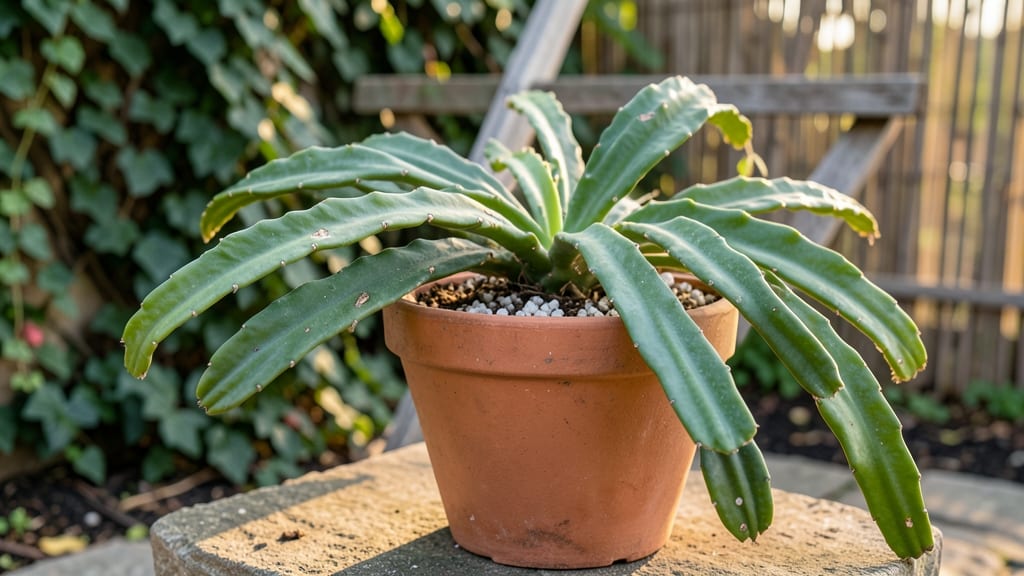
Your garden just got a whole lot more interesting. 🧠 The plant that looks like brain—with its dramatic, split leaves and quirky texture—isn’t just a conversation starter; it’s a bold design statement that turns ordinary spaces into whimsical art.
I’ve been growing these showstoppers for years, and they never fail to spark curiosity (and a few laughs) from neighbors. These plants thrive in bright, indirect light and need minimal fuss—just consistent moisture and occasional misting to keep those unique leaves looking their best.
Varieties like Monstera deliciosa or Ficus elastica with split foliage grow fast, making them perfect for adding instant personality to patios, hanging baskets, or even indoor corners.
Imagine a lush, brain-like canopy draped over a trellis or cascading from a macramé hanger—it’s the kind of eye-catching detail that makes your garden unforgettable. Pair it with trailing ivy or colorful annuals for extra drama, and you’ve got a space that feels alive with creativity.
Best of all, these plants adapt to containers or in-ground beds, so they fit any garden style—from modern minimalist to fairy-tale fantasy. Ready to turn heads with your green thumb?
Behind The Brain-Like Foliage
If your plant’s leaves resemble a wrinkled, wrinkly cerebral cortex instead of their usual shape, don’t panic—it’s likely a fascinating response to nature’s cues.
While the 🧠-shaped plant (often Soleirolia soleirolii, aka "brain algae" or "mind-your-own-business") is famous for its brain-like texture, other plants can mimic this look under specific conditions. Here’s why it happens—and how to recreate (or fix) it.
Some plants are hardwired to grow with crinkled, brain-like leaves due to their DNA. The Soleirolia soleirolii is the poster child, but others like Lamium galeobdolon (yellow archangel) or certain Alternanthera varieties also develop this trait naturally. Why?
- Crinkled leaves = more surface area: Wrinkles increase the leaf’s exposure to light and air, helping the plant absorb more carbon dioxide and photosynthesize efficiently in shaded or humid environments.
- Evolutionary advantage: In dense foliage or understory settings, wrinkled leaves can trap moisture better, reducing water loss—a survival hack for tropical or woodland species.
- Cellular growth patterns: The epidermis (outer leaf layer) grows unevenly, creating the signature "gyri and sulci" (ridges and grooves) of a brain. This is controlled by phytohormones like auxin, which dictates cell expansion.
Actionable tip: If you’re growing a Soleirolia or similar, embrace its natural texture! These plants thrive in partial shade and high humidity, so mimic their native habitat for the best brain-like effect. 🌡️
Not all brain-like leaves are genetic—some plants develop this texture as a stress response. The most common culprit? Fluctuating moisture levels. Here’s how it works:
| Cause | How It Happens | Fix It |
|---|---|---|
| Underwatering | When soil dries out, the plant’s guard cells (which control stomata—tiny pores for gas exchange) shrink. This causes the leaf surface to buckle and wrinkle like a dried apple skin. 🍎 | Water deeply once a week (or when the top inch of soil is dry) and use well-draining soil to prevent cycles of drought. |
| Overwatering | Soggy roots suffocate the plant, forcing it to slow growth and conserve energy. The leaves may pucker or develop a brain-like crinkle as the cells struggle to expand properly. | Let the soil dry out between waterings—stick your finger in the pot before watering! Add perlite or sand to improve drainage. |
| Humidity Shocks | Sudden drops in humidity (e.g., moving a tropical plant indoors in winter) can cause leaves to plump and shrink unevenly, mimicking a brain’s folds. 🌡️ | Use a humidifier or place the pot on a pebble tray with water to maintain 50–60% humidity. |
Pro tip: If your plant’s leaves are only wrinkling at the edges, it’s often a sign of transpiration stress (too much water evaporating too fast). Try mist-spraying leaves in dry climates or moving the plant away from heat vents. ✨
Light and temperature act like invisible artists, shaping leaves into brain-like masterpieces—or ruining them. Here’s the science:
- Low light = elongated, wrinkled growth:
- Plants stretch toward light (a process called etiolation), but in dim conditions, they grow slowly and unevenly, leading to crinkled, brain-like textures.
- Example: Pothos or Philodendron leaves may develop lobed, brainy edges if placed in a north-facing window.
- Extreme heat = curled, brain-like puckering:
- High temperatures speed up transpiration, causing leaves to lose turgor pressure (the "plumpness" from water-filled cells). This makes them shrink and pucker like a brain’s gyri.
- Example: Succulents (like Echeveria) may develop wrinkled, brain-like patterns if exposed to direct afternoon sun.
- Cold snaps = temporary "brain freeze" texture:
- Frost-sensitive plants (like Coleus) may develop ice-crystal-like wrinkles if exposed to 40°F (4°C) or below. This is reversible if the plant recovers!
Actionable fix: Rotate your plant quarter-turns weekly for even light exposure, and avoid placing it near drafts or radiators. If you want brain-like growth, try growing under a sheer curtain to diffuse light and slow down leaf expansion. 🎯
Next time your plant starts looking like it’s thinking too hard, check these three culprits: genetics, water habits, and environmental stress. With the right tweaks, you can either enhance the effect or restore normal growth—all while keeping your green thumb sharp! 🌿🧠
Quick Fixes for Brain-Like Plant Woes
If your quirky brain-shaped plant (likely a Soleirolia soleirolii or similar) isn’t thriving—or if its "brain folds" are fading—don’t fret! Most issues stem from care missteps, and solutions are simpler than you’d think.
Below, we’ve mapped common problems to practical fixes, plus prevention tips to keep your plant’s signature texture and vibrancy intact.
Signs: Yellowing leaves, mushy stems, or a foul smell from the soil. Why it happens: Brain-like plants (like Soleirolia) hate soggy roots—too much water suffocates them.
How to fix it: 🔥 Step 1: Check the soil – Stick your finger 1 inch deep. If it’s damp, hold off on watering. 🍳 Step 2: Repot if needed – If the roots smell rotten, transfer to fresh, well-draining potting mix (add perlite or sand for aeration). 👨🍳 Step 3: Adjust watering – Water only when the topsoil is completely dry. Use a pot with drainage holes! 🥘 Step 4: Trim damaged areas – Snip off black or mushy stems with clean scissors to prevent spread.
Prevention tip: 💡 Use a moisture meter or spray mist instead of soaking for delicate varieties.
Signs: Long, sparse stems with fewer "brain folds" or pale leaves. Why it happens: Brain-like plants crave bright, indirect light. Too little = weak, stretched growth.
How to fix it: 🔥 Step 1: Move to better light – Place near an east or north-facing window (avoid harsh afternoon sun). 🍳 Step 2: Rotate the pot – Turn it weekly so all sides get even light. 👨🍳 Step 3: Prune leggy stems – Trim back overgrown stems to encourage bushier, denser regrowth. 🥘 Step 4: Fertilize lightly – Use a balanced liquid fertilizer (diluted to half strength) every 4–6 weeks in spring/summer.
Prevention tip: 🌡️ If indoors, supplement with a grow light 12 inches above the plant for 6–8 hours/day.
Signs: Sticky residue, tiny webs, or chewed leaves (common culprits: aphids, spider mites, or mealybugs). Why it happens: These pests love tender, brain-like foliage—especially in dry or dusty conditions.
How to fix it: 🔥 Step 1: Isolate the plant – Quarantine it to prevent pests from spreading to other houseplants. 🍳 Step 2: Wipe down leaves – Use a damp cloth or cotton swab dipped in soapy water (1 tsp mild dish soap + 1 cup water) to remove pests. 👨🍳 Step 3: Spray with neem oil – Mix 1 tsp neem oil + 1 quart water + a drop of dish soap. Spray every 5–7 days until pests vanish. 🥘 Step 4: Introduce beneficial insects – Ladybugs or lacewings can eat pests naturally (available at garden centers).
Prevention tip: ✨ Keep humidity high (40–60%) with a pebble tray to deter mites—pests hate moisture!
Signs: Dry, brown leaf tips or edges curling upward. Why it happens: Low humidity or cold drafts dehydrate delicate brain-like plants.
How to fix it: 🔥 Step 1: Increase humidity – Place the pot on a tray of pebbles with water (never let roots sit in water). 🍳 Step 2: Group plants together – Clustering creates a mini humid microclimate. 👨🍳 Step 3: Mist lightly – Use room-temperature water to mimic a rain shower (avoid soggy centers). 🥘 Step 4: Avoid drafts – Keep away from AC vents, heaters, or open windows in winter.
Prevention tip: 🎯 A humidifier nearby (or a terrarium setup) works wonders for finicky varieties.
Pro Tip: 🔥 For all issues, always use sterilized tools (wipe scissors with rubbing alcohol) to avoid introducing bacteria or fungi.
By tackling these fixes, your brain-shaped plant should bounce back with its signature texture and lushness. Prevention is key—once you’ve adjusted its environment, it’ll reward you with that whimsical, brain-like charm for years!
Frequently asked questions
What's the easiest brain-like plant for beginners?
Soleirolia soleirolii (brain algae) is the perfect starter plant! It thrives in shade, needs minimal care, and its signature brain-like texture grows naturally. Just keep the soil consistently moist and place it in bright, indirect light for the best results.
Can I grow brain-like plants outdoors year-round?
It depends on your climate! Most brain-like plants (like Soleirolia) are tropical and prefer temperatures above 50°F (10°C). In colder zones, grow them in containers and bring them indoors during winter or plant them in protected microclimates like near south-facing walls.
Why does my plant's foliage look brain-like when it's not supposed to?
This often happens due to environmental stress! Common causes include inconsistent watering (either too much or too little), low humidity, or sudden temperature changes. Try adjusting your care routine—water when the top inch of soil is dry and maintain humidity around 50-60%.
How can I make my garden look more whimsical with brain-like plants?
Pair them with trailing plants like String of Hearts or Ivy for a magical effect! Hang them in macramé planters or place them near water features. Their unique texture contrasts beautifully with smooth-leaved plants, creating a playful, artistic garden vibe.
Are brain-like plants toxic to pets?
Most brain-like plants (like Soleirolia) are non-toxic to pets, but always double-check with your vet. If you're unsure, opt for pet-safe alternatives like Peperomia varieties with similar textures. Keep plants out of reach until you confirm their safety.