
Planting
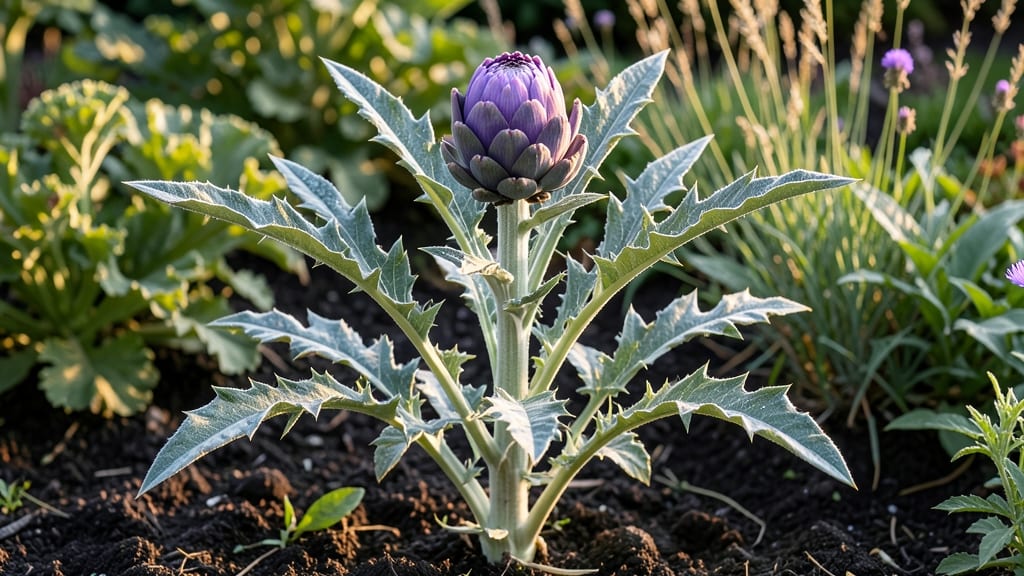
Growing a purple artichoke plant means adding a dramatic, cold-hardy perennial that thrives where most vegetables fail. 🌿 These striking plants (Cynara cardunculus) produce bold purple buds and thriving foliage that doubles as both ornament and harvest—if you know the tricks to keep them happy through winters.
The secret to success starts with well-draining soil and full sun, but don’t let their Mediterranean roots fool you—these plants handle frost better than most artichokes.
I’ve grown mine through Zone 5 winters with just a little mulch, and they reward me with foot-tall spikes of edible (or decorative) buds by mid-summer. You’ll harvest either the tender hearts for cooking or the striking purple blooms for arrangements, depending on your goals.
The plants grow 3-5 feet tall, making them a standout in borders or containers, and they self-seed reliably if you let them. Best of all, they’re low-maintenance once established—just watch for slugs on young growth and avoid overwatering. Here’s how to get started with foolproof results.
📚 In This Guide
- What you need
- Instructions
- Tips and common mistakes
- Wrapping up and next steps
What you need
- ● Purple artichoke seeds or starts: Choose cold-hardy varieties like ‘Romanesco’ or ‘Violetto’ (2–4 plants for a small harvest).
- ● Well-draining soil: Mix 60% garden soil, 30% compost, and 10% perlite/sand (pH 6.0–7.5).
- ● Large containers or garden bed: For containers: 12–18" diameter pots (1 plant per pot).
- ● For in-ground: Full sun (6+ hours/day) with 3–4 feet of spacing between plants.
- ● Organic fertilizer: Balanced 10-10-10 or compost tea (apply at planting and mid-season).
- ● Mulch: Straw or wood chips (2–3" layer to retain moisture).
- ● Watering can or drip irrigation: Artichokes need 1–2 inches of water weekly (more in heat).
- ● Pruning shears: For trimming dead leaves or harvesting.
- ● Cold frame or row cover: Extend the growing season in cool climates.
- ● Epsom salt: Boost magnesium (1 tbsp per plant monthly).
- ● Pest deterrents: Neem oil or companion plants (e.g., basil, marigolds).
- ● Glove: Artichoke thorns can be spiky—protect your hands!
Step-by-Step guide to growing purple artichoke plants
Here's how to cultivate these striking perennials with minimal fuss—once established, they’ll reward you for years.
🌱 Step 1: Choose the Right Location and Prepare the Soil
Purple artichoke thrives in full sun with at least 6-8 hours of direct light daily. I always pick the sunniest spot in my garden because these plants need warmth to develop their signature deep purple foliage and robust buds. Test your soil’s pH—aim for 6.5-7.0—and amend with compost if it’s heavy clay or sandy.
Work in 2-3 inches of well-aged compost or a balanced organic fertilizer (like 5-5-5) into the top 12 inches of soil. Purple artichokes love fertile, well-draining ground. If your soil drains poorly, mix in a handful of perlite or coarse sand per planting hole. The goal is loose, airy soil that won’t suffocate roots.
🪴 Step 2: Plant Crowns or Divide Established Clumps
Purchase bare-root crowns in early spring or divide mature plants in fall or early spring when growth is dormant. Dig a hole 12-18 inches wide and deep—these plants spread aggressively, so give them room. Place the crown so the top is just 1-2 inches below soil level; burying too deep causes rot, while planting too high stunts growth.
Space plants 3-4 feet apart in rows or 4-5 feet apart in beds to prevent overcrowding. Backfill with native soil mixed with compost, tamping gently to eliminate air pockets. Water deeply right after planting to settle the soil and encourage root contact. You’ll know it’s right when the soil surface looks slightly damp but not soggy.
☀️ Step 3: Water and Fertilize for Strong Growth
Keep soil consistently moist but never waterlogged—purple artichokes hate soggy roots. Water 1-2 inches per week, adjusting for rainfall. I check by sticking my finger 2 inches deep; if it feels dry, it’s time to water. Mulch with 2-3 inches of straw or shredded leaves to retain moisture and suppress weeds. Replenish mulch annually in early spring.
Feed lightly in early spring with a balanced organic fertilizer (like fish emulsion or worm castings) to encourage vigorous foliage. Avoid high-nitrogen fertilizers—they promote leafy growth at the expense of buds. Purple artichokes are low-maintenance once established, but a mid-season boost with compost tea keeps them thriving.
✂️ Step 4: Prune and Harvest for Continuous Production
Harvest buds when they’re 6-8 inches long and still tightly closed—this ensures tender, flavorful artichokes. Cut the stem 2 inches below the bud with clean pruners. Regular harvesting encourages more buds to form. I always leave at least one mature bud per plant to ensure next year’s growth.
Deadhead spent blooms in late fall to tidy up, but leave the foliage until new growth appears in spring. Purple artichokes are hardy down to -20°F, but a thick layer of mulch (up to 4 inches) protects roots in extreme winters. Prune back any damaged growth in early spring to stimulate fresh shoots.
⏰ Step 5: Overwinter and Plan for Next Year’s Harvest
In late fall, cut back dead foliage to 2-3 inches above ground level to reduce disease risk and make next year’s growth easier to spot. Purple artichokes spread via underground rhizomes, so they’ll multiply over time. Divide clumps every 3-4 years in early spring to maintain vigor and share with fellow gardeners.
Mark your calendar for early spring planting or dividing—this is when these perennials wake up hungry. A light application of compost or slow-release fertilizer at this time jumpstarts growth. With proper care, your purple artichoke patch will thrive for decades, producing bold harvests with minimal effort.
Tips & tricks for perfect purple artichoke plant cultivation
Here's what I've learned after years of growing these striking perennials—these details make all the difference between a struggling patch and a thriving harvest.
Sunlight Strategy: Those 6-8 hours of direct sunlight are non-negotiable for the deep purple foliage you crave. I've noticed that morning sun (6 AM-12 PM) is especially critical—it kickstarts photosynthesis early in the day. If your garden has afternoon shade, position plants to catch the morning rays first.
Soil Science: The 2-3 inches of compost in Step 1 isn't just about nutrients—it's about creating the perfect crumbly texture. I've found that mixing in 1 part perlite to 3 parts soil (instead of just a handful) dramatically improves drainage for heavy clay soils. Think of it as giving your artichokes' roots room to breathe.
Planting Precision: When placing the crown 1-2 inches below soil level, I use a simple trick: press the crown into the hole until the top just peeks above the surrounding soil when you step back. This ensures proper depth without guesswork. Too deep, and you risk rot; too high, and growth stalls.
Winter Protection: That -20°F hardiness rating is impressive, but don't rely on it completely. I've seen plants survive those temps with 4 inches of straw mulch—the secret is creating an insulating blanket that traps heat radiating from the soil. Add mulch after the first hard frost for best results.
Pro Tips for Purple Artichoke Plant
- Here's what I've learned after years of growing these striking perennials—these details make all the difference betwe...
- Sunlight Strategy: Those 6-8 hours of direct sunlight are non-negotiable for the deep purple foliage you crave. I've ...
- Soil Science: The 2-3 inches of compost in Step 1 isn't just about nutrients—it's about creating the perfect crumbly ...
Frequently asked questions
Got questions about growing your own purple artichoke plant? Here are some of the most common concerns—and their answers—to help you cultivate a thriving, cold-hardy harvest!
How cold can purple artichoke plants tolerate?
Purple artichoke plants (Cynara cardunculus var. altilis) are surprisingly hardy! They survive light frosts down to 15–20°F (-9 to -7°C) and can even bounce back from deeper freezes if the roots stay protected. Mulch heavily in winter to shield them from extreme cold. In zones 7–10, they’re perennial, while colder climates may treat them as annuals.
When is the best time to harvest purple artichokes?
Harvest before the buds fully open—when they’re firm, compact, and vibrant purple (about 2–3 inches wide). Use a sharp knife to cut the stalk 1–2 inches below the bud. For continuous harvests, pick regularly in late spring to early summer. Pro tip: Harvest early in the morning when buds are crispest!
Can I grow purple artichokes in containers?
Choose a large container (at least 12–18 inches deep) with drainage holes and fill it with well-draining soil. Purple artichokes need plenty of space—space 2–3 feet apart in pots. Place containers in full sun and water consistently. Just be aware: container-grown plants may produce smaller yields than in-ground varieties.
What pests or diseases should I watch for?
Common issues include aphids, slugs, and earwigs, which love tender buds. Fungal diseases like powdery mildew can strike in humid climates. Preventative tips: Space plants for airflow, water at the base (not leaves), and use row covers. For pests, handpick or apply neem oil. Rotate crops yearly to minimize soil-borne diseases.
Are purple artichokes edible, and how do they taste?
Yes! Their tight, purple buds are edible and packed with nutrients. The flavor is earthy, slightly nutty, and less bitter than green artichokes. Steam, grill, or roast them whole—just remove the tough outer leaves and trim the fuzzy choke before eating. Bonus: They’re high in fiber, antioxidants, and vitamin C!
Wrapping up and next steps
Ready to grow your own purple artichoke plant? This cold-hardy perennial isn’t just stunning—it’s a rewarding addition to any garden, offering bold flavors and year-round beauty. With the right soil, sunlight, and care, you’ll enjoy a thriving harvest season after season. 🌱
Start small—plant a few purple artichokes this spring and watch your confidence (and garden!) grow. Next up: Mark your calendar for planting season and gather your supplies. Happy gardening! 🌿