
Planting
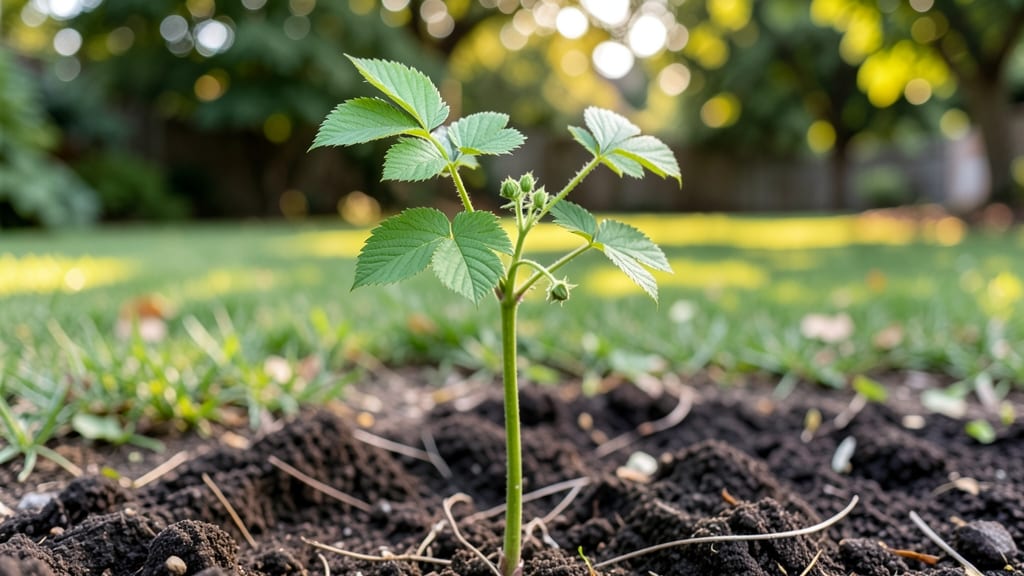
To grow a raspberry plant sprout, cold-stratify seeds for 60-90 days in damp peat moss or a sealed plastic bag with moist paper towels. Plant them 1/4-inch deep in well-draining soil once stratified, as germination may take 2-4 weeks. A heat mat helps in cooler climates to kickstart growth.
Cold stratification tricks raspberry seeds into thinking winter has passed, breaking their natural dormancy. 🌱 This process mimics the chilly conditions raspberries experience in nature, which signals the seed to start growing. Without this step, many seeds would simply sit dormant for months—or never sprout at all.
I’ve found that maintaining a consistent 34-40°F temperature during stratification gives the best results, whether you use a refrigerator or a cold frame outdoors.
Once your raspberry plant sprout emerges, it’s all about creating the right environment. These young seedlings need bright, indirect light for at least 6 hours daily to prevent leggy growth. A south-facing window or grow lights work well, but avoid direct midday sun, which can scorch tender leaves.
The soil should stay moist but not soggy—overwatering is a common mistake that leads to root rot. If your seedlings start looking stretched or weak, they’re likely not getting enough light or nutrients.
💡 In This Article
- Cold Stratification Explained: Why It Works for Raspberry Seeds
- Step-by-Step Raspberry Seedling Care After Germination
Cold stratification explained: why it works for raspberry seeds
The magic of cold stratification lies in how it tricks raspberry seeds into breaking dormancy—a natural survival mechanism. Raspberry seeds contain a hard outer coating and low moisture content, which prevents them from germinating immediately even when conditions seem ideal.
This dormancy is nature's way of ensuring seeds only sprout when conditions are perfect for survival, typically after winter's chill. When you subject seeds to 34-40°F temperatures for 60-90 days, you're mimicking the natural winter cycle that raspberries experience in their native habitats.
This chilling period activates enzymes within the seed that break down stored nutrients, preparing the embryo for growth. 🌱
Think of it like waking up after a long winter's nap—your body needs time to adjust before feeling fully awake. Similarly, raspberry seeds need this cold period to "reset" their internal clocks.
The ideal moisture level during stratification is about 50-60% humidity, which keeps the seeds hydrated without causing them to rot. Too little moisture slows down the enzymatic activity, while too much can lead to mold.
For comparison, apple seeds also benefit from cold stratification but typically require only 30-60 days at 40°F, while raspberry seeds need the longer period due to their thicker seed coats and deeper dormancy requirements.
This process works because cold temperatures trigger the production of gibberellins—plant hormones that promote growth. These hormones signal the seed to produce enzymes that break down starches into sugars, which fuel the early stages of germination. Without this hormonal shift, many raspberry seeds would remain dormant indefinitely.
The stratification period also helps soften the seed coat, allowing water to penetrate more easily when you finally plant them.
This is why you'll often see professional growers use a mix of damp peat moss or vermiculite—these materials maintain consistent moisture while providing good airflow to prevent fungal growth. 💫
One common misconception is that all seeds need cold stratification. In reality, only seeds from plants that grow in temperate climates (like raspberries, apples, and cherries) require this process. Tropical fruit seeds, such as mango or citrus, don't need stratification because they're adapted to germinate in warm conditions.
Raspberry seeds, however, are particularly sensitive—their dormancy is so deep that some seeds won't germinate without this cold treatment, even if planted in perfect soil conditions. This is why professional nurseries often use commercial cold stratification chambers that maintain precise temperature and humidity levels for consistent results. 🔥
When you're ready to plant your stratified raspberry seeds, the key is timing. The seeds should be planted as soon as they begin to sprout, typically within 2-4 weeks after removing them from cold storage.
At this stage, the seeds are primed and ready to grow but won't tolerate another period of dormancy. The transition from cold to warm temperatures triggers the final stages of germination, where the radicle (the embryonic root) emerges first, followed by the shoot.
This is why it's crucial to keep the soil consistently moist during this transition—dry conditions can halt germination completely. 🌿
For those in cooler climates, using a heat mat set to 70-75°F can significantly speed up germination once the seeds are planted. The heat mat provides the warmth needed to kickstart root growth, while the soil surface remains cool enough to prevent overheating.
This dual-temperature approach mimics the natural spring conditions that raspberries experience in the wild, where warm days and cool nights create ideal germination conditions. The combination of cold stratification followed by warm soil temperatures creates the perfect environment for your raspberry plant sprout to emerge strong and healthy. ✨