
Planting
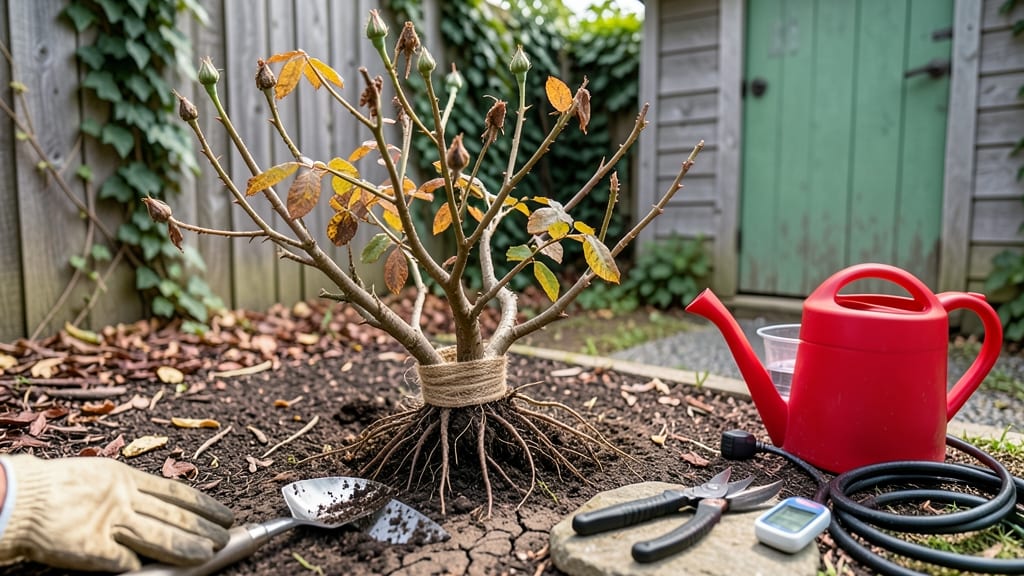
Your rose bush dying after transplant might still be salvageable—even if it looks like it’s already gone. 🌹 Transplant shock doesn’t mean death sentence; in fact, I’ve nursed back roses that looked worse than yours in just 7 days with the right moves.
The key is acting fast before stress sets in deeper.
Most dying roses after transplant suffer from one of three issues: root damage (cut during digging), overwatering (drowning roots), or environmental whiplash (sudden heat/wind). I’ll walk you through how to diagnose which one’s killing yours—and how to fix it before it’s too late.
No fancy tools needed, just sharp eyes and a little patience.
By the end, you’ll know whether to prune aggressively, adjust your watering schedule, or even replant (yes, it’s possible). The best part? These fixes also make your next transplant 10x easier—no more panicking when new growth stalls. Let’s get your rose back on track.
We’ll also cover when to call in reinforcements (like a local nursery pro) for stubborn cases, so you don’t waste time on hopeless fixes. Your bush might just need a second chance—and it’s easier than you think.
Root Shock And Stress Triggers
Transplanting a rose bush is like giving it a mini survival test—even the hardiest plants can struggle when uprooted and replanted. Understanding the why behind your rose’s decline is the first step to saving it. Here’s what’s likely happening beneath the soil (and how to fix it).
When you dig up a rose bush, you’re severing its delicate root system—the plant’s lifeline. Root shock occurs when roots are damaged during the move, leading to: - Reduced water and nutrient uptake – Damaged roots can’t absorb moisture efficiently, causing wilting or yellowing leaves. - Hormonal disruption – Roots produce hormones (like cytokinins) that signal growth.
When disrupted, the plant goes into survival mode, shedding leaves or slowing growth. - Oxygen deprivation – Compacted or improperly replanted soil can suffocate roots, starving them of the air they need to respire.
💡 Pro Tip: If your rose was in a pot before transplanting, soak the roots in water for 10–15 minutes before replanting to rehydrate them gently.
Even if the roots survive the move, post-transplant stress from environmental factors can push your rose over the edge. Watch for these red flags: - Temperature swings – Roses hate sudden heat or cold after transplanting.
If moved during extreme weather (below 50°F or above 90°F), roots struggle to adjust. - Wind exposure – Newly transplanted roses are like toddlers in a hurricane—unstable stems and exposed roots dry out fast.
Windburn can crisp leaves, while root desiccation cuts off water flow. - Overhead watering – Wet foliage + sunlight = sunburn. If you water the leaves instead of the soil, the plant wastes energy trying to recover while roots heal.
✨ Quick Fix: Mulch heavily (2–3 inches of organic matter) to insulate roots and retain moisture. Use a windbreak if your garden is exposed.
Not all soil is created equal—and your rose might be suffering from cultural shock. Common culprits: - Poor drainage – Roses drown in soggy soil, leading to root rot (a fungal death sentence).
If the new spot stays waterlogged, roots suffocate and turn black/mushy. - Nutrient deficiency – If the old soil was rich in compost and the new spot is sandy or clay-heavy, your rose gets hungry.
Lack of phosphorus or nitrogen stunts root growth. - pH problems – Roses thrive in slightly acidic soil (6.0–6.5). If the new area is too alkaline (pH > 7.5), they can’t absorb iron or manganese, causing yellow leaves (chlorosis).
📊 Test It: Use a soil test kit to check pH and amend with sulfur (to lower pH) or lime (to raise it) if needed.
A dying rose isn’t always a transplant issue—sometimes, invisible invaders move in post-relocation: - Root-knot nematodes – Microscopic worms that burrow into roots, causing galls (lumpy growths) that block nutrient flow.
Common in reused garden beds. - Fungal infections – Pathogens like black spot or powdery mildew thrive on stressed plants.
Look for dark spots on leaves or white fuzzy patches. - Bacterial wilts – If stems ooze yellow liquid when cut, your rose may have Xylella fastidiosa, a bacterial invader spread by insects.
🔥 Prevention: Sterilize tools with rubbing alcohol between cuts, avoid overhead watering, and apply neem oil as a preventative spray.
After transplanting, many gardeners over-prune in an attempt to "help" the plant. But roses need their energy focused on root regrowth, not new blooms.
Signs of over-pruning: - Excessive leaf loss – If you trimmed more than 1/3 of the plant, it’s like cutting off your own limbs—shock sets in fast. - Weak canes – Pruning too aggressively removes the plant’s food storage, leaving it vulnerable to stress.
👨🍳 Rule of Thumb: Wait 4–6 weeks after transplanting before pruning. If you must trim, remove only dead or damaged branches.
Revive Your Rose Bush Fast
When your rose bush looks like it’s fighting for survival after transplanting, don’t panic—there’s still time to turn things around! Root shock is common, but with the right care, your plant can bounce back in 7 days or less.
Below are targeted fixes based on the most likely causes, along with prevention tips to keep your roses thriving long-term.
If your rose bush is wilting, dropping leaves, or looking limp, root shock is likely the culprit. This happens when roots are disturbed during transplanting, disrupting their ability to absorb water and nutrients.
💧 Step 1: Deep Water Immediately
- Why? Roots need moisture to recover, but overwatering can suffocate them.
- How?
- Water deeply (6–8 inches down) to encourage roots to grow outward.
- Use a soaker hose or drip irrigation for slow, even hydration.
- Pro Tip: 💡 Add 1 tablespoon of hydrogen peroxide (3%) per gallon of water to help oxygenate roots and prevent rot.
🌡️ Step 2: Shield from Stress
- Why? Transplanted roses need low-stress conditions to heal.
- How?
- Avoid full sun for 3–5 days—move to partial shade if possible.
- Mulch heavily (2–3 inches) with organic mulch (straw, wood chips) to retain moisture and regulate soil temp.
- Prevent wind burn by placing a light shade cloth if winds are strong.
⏳ Step 3: Give It Time (But Monitor)
- Signs of improvement: New leaves, firmer stems, less wilting.
- If no progress in 7 days:
- Check for pests (aphids, spider mites) or disease (black spot, powdery mildew).
- Trim dead/dying foliage to redirect energy to healthy growth.
If your rose bush is struggling with nutrient deficiency or compacted soil, it may not be recovering properly.
📊 Step 1: Test & Amend the Soil
- Why? Roses thrive in well-draining, slightly acidic soil (pH 6.0–6.5).
- How?
- Test soil with a DIY kit (available at garden centers).
- Improve drainage by mixing in:
- Compost (for nutrients)
- Perlite or sand (for aeration)
- Sulfur (if soil is too alkaline)
🍽️ Step 2: Fertilize Gently
- Why? Transplanted roses need low-stress feeding to avoid burning roots.
- How?
- Use a balanced, water-soluble fertilizer (10-10-10) diluted to half strength.
- Avoid high-nitrogen fertilizers—they encourage leafy growth but weaken roots.
- Pro Tip: 🌡️ Wait 2–3 weeks after transplanting before fertilizing.
If your rose bush has yellow leaves, spots, or chewed foliage, pests or disease may be the issue.
🔍 Step 1: Identify the Problem
Common culprits:
- Aphids (sticky leaves, curled buds)
- Spider mites (fine webbing, speckled leaves)
- Black spot fungus (dark spots with yellow halos)
🧼 Step 2: Treat Naturally
- For pests:
- Neem oil spray (mix 1 tbsp neem oil + 1 tsp mild soap + 1 quart water).
- Blast off aphids with a strong water spray.
- For fungal issues:
- Remove infected leaves and dispose of them.
- Apply copper fungicide or baking soda spray (1 tsp baking soda + 1 quart water + a drop of soap).
🛡️ Prevention Tips:
- Space roses properly (3–4 feet apart) for airflow.
- Water at the base (avoid wetting foliage to prevent fungus).
- Prune regularly to improve circulation.
If your rose bush was transplanted in extreme heat or cold, it may be in shock.
🌡️ Step 1: Regulate Temperature
- Hot weather? Provide afternoon shade and extra water.
- Cold weather? Mulch thicker (4–6 inches) and cover with frost cloth if temps drop below 20°F.
💧 Step 2: Hydrate More Frequently
- Water deeply 2–3 times per week (more in extreme heat).
- Avoid overhead watering to prevent leaf burn.
To avoid stress next time: ✅ Transplant on a cloudy day or in early morning/evening. ✅ Prune 1/3 of the plant before transplanting to reduce stress. ✅ Keep the root ball intact—avoid breaking roots. ✅ Use root stimulator (like mycorrhizal fungi) at planting time. ✅ Stake young roses to prevent wind damage.
With these quick fixes, your rose bush should show signs of recovery within a week.
If it doesn’t improve, check for root rot (soft, mushy roots) or girdling roots (roots circling the stem) and adjust care accordingly. Patience and consistency are key—your roses will thank you with vibrant blooms in no time! 🌹✨
Frequently asked questions
How long should I wait before fertilizing my rose after transplanting?
Wait 4-6 weeks before applying any fertilizer. Transplanted roses need time to establish new roots first—feeding too soon can burn delicate root systems. Start with a balanced, diluted fertilizer (10-10-10) at half strength to avoid shocking the plant.
Can I save a rose bush if the leaves are completely black and crispy?
It depends on the cause. If it's windburn, prune the damaged leaves and provide shade. If root rot is the issue (check for mushy, black roots), you may need to replant in fresh soil. For fungal issues, remove all affected foliage and apply copper fungicide. If roots are still healthy, new growth should appear within 2-3 weeks.
Is it better to transplant roses in spring or fall?
Fall is ideal for most regions—transplant 4-6 weeks before first frost when temperatures are 50-65°F. This gives roots time to establish before winter. Spring works too, but avoid transplanting when buds are swelling (early spring) as this stresses the plant. Never transplant during extreme heat or cold.
Why are my rose's stems bending over after transplanting?
This usually means root damage or wind stress. Stake the plant immediately and water deeply. If stems are weak from root shock, they may need temporary support until roots regrow. For severe cases, consider replanting with extra compost to boost recovery. Avoid pruning until new growth appears (usually 3-4 weeks).
How do I know if my rose's roots are rotting after transplant?
Check for black, mushy roots with a foul smell—these are clear signs of rot. Healthy roots should be firm and light tan. If you find rot, trim affected areas with sterilized shears, replant in fresh soil with perlite for drainage, and reduce watering. For severe cases, consider propagating from healthy canes.