
Planting
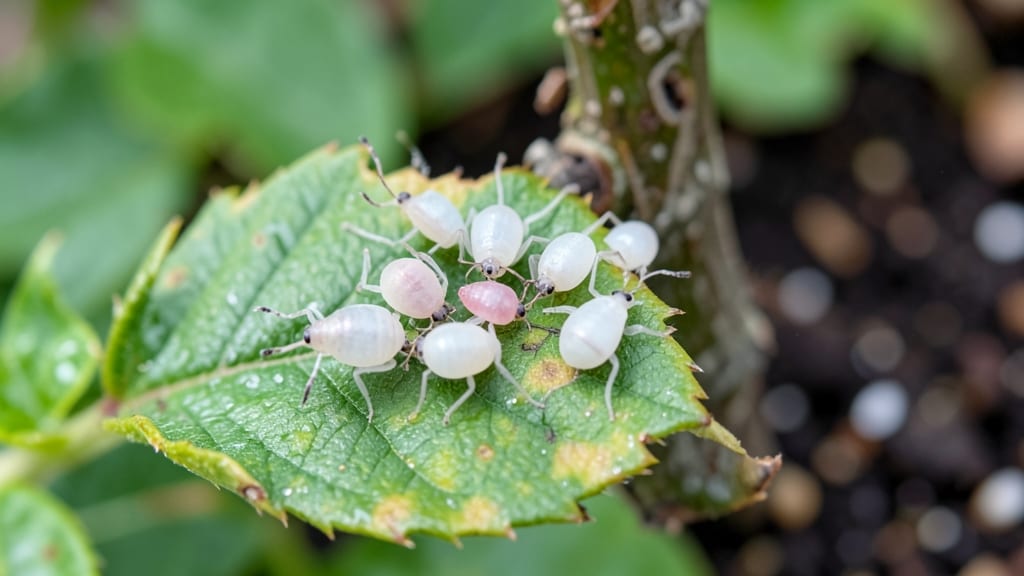
Those stubborn white bugs on your roses—mealybugs, aphids, or whiteflies—are silently sucking the life out of your blooms. 🌹 I’ve battled them enough to know the right approach saves your plants without harsh chemicals, and I’ll share exactly how to kick them out for good.
The damage starts small: curled leaves, sticky residue, and buds that refuse to open. But here’s the good news—neem oil, insecticidal soap, and a strong spray of water can turn the tide in just a few days. The key is acting fast before they spread to every stem.
You’ll restore your roses to vibrant, pest-free glory in no time, with blooms that smell as sweet as they look. And once you’ve mastered this, you’ll spot early signs before they become a full-blown invasion.
Prevention is easier than cleanup, so I’ll show you how to keep these pests away for good—no more losing a season to tiny white invaders.
Root Causes Of White Bugs
White bugs on your rose plants aren’t just a nuisance—they’re often a sign of underlying issues that invite these pests in. Understanding why these tiny invaders appear helps you tackle the problem at its source. Below, we break down the most common reasons, from environmental triggers to plant stress signals.
When roses feel cramped or overworked, their natural defenses weaken, making them prime targets for pests like mealybugs, aphids, or scale insects. Here’s how it happens:
- Poor air circulation: Dense foliage or tightly packed plants trap moisture, creating a humid microclimate that white bugs love. Without airflow, spores and pests spread faster.
- Nutrient deficiencies: Roses deprived of nitrogen, phosphorus, or potassium become weak, producing sticky honeydew that attracts ants—and their white bug allies.
- Root-bound stress: If roots are circling in a pot or compacted in soil, the plant diverts energy away from growth and toward survival, leaving it vulnerable.
Pro tip: 🌡️ Prune regularly to improve airflow, and fertilize with a balanced rose-specific formula (10-10-10) every 4-6 weeks to keep plants robust.
White bugs thrive in damp conditions because moisture slows down beneficial predators (like ladybugs) and speeds up their reproduction. Common moisture-related causes:
- Overwatering: Soggy soil suffocates roots and attracts fungus gnats, which lay eggs in moist soil—these gnats then bring white bugs to your roses.
- Clay-heavy soil: If water pools around roots instead of draining, it creates a breeding ground for pests and fungal diseases.
- Frequent dew or rain: Morning dew lingers on leaves, creating a sticky surface that white bugs use to move and feed.
Actionable fix: 🔥 Test your soil’s drainage by digging a hole, filling it with water, and timing how long it takes to drain. If it’s slower than 4 hours, amend with perlite or sand.
White bugs like mealybugs and scale insects produce a sweet, sticky substance called honeydew. While it may look harmless, it’s a magnet for:
- Ants: They “farm” white bugs, protecting them from predators in exchange for honeydew. Without ants, natural enemies (like parasitic wasps) can control the infestation.
- Sooty mold: Honeydew feeds this black fungus, which coats leaves and blocks sunlight—weakening your rose’s ability to fight pests.
Break the cycle: ✨ Set out borax or diatomaceous earth bait stations for ants, or spray roses with neem oil (1 tsp per quart of water) to disrupt the honeydew-ant relationship.
Sometimes, white bugs hitch a ride on new additions to your garden. Common sources:
- Infested nursery plants: Many white bugs are introduced when buying roses or other plants from uninspected sources.
- Shared gardening tools: Pruners, trowels, or pots can carry eggs or tiny pests from one plant to another.
- Wildlife visitors: Bees, butterflies, or even birds can transfer pests between plants.
Prevent contamination: 🎯 Quarantine new plants for 2 weeks before introducing them to your garden, and sanitize tools with rubbing alcohol (70% or higher) between uses.
By addressing these root causes—stress, moisture, honeydew, and contamination—you’ll make your rose plants less appealing to white bugs while boosting their natural resilience. Next, we’ll dive into how to confirm which specific white bug is plaguing your roses.
How to Treat Rose Plant White Bugs
Now that you know what’s attacking your roses, it’s time to take action! The good news? You don’t need harsh chemicals to banish these pests—just a few targeted, eco-friendly solutions.
Below, we’ll match the most common causes of white bugs on roses with the best fixes, plus tips to keep your plants healthy long-term.
---
Mealybugs are the most likely culprits behind those cottony white clusters on your roses. These sap-sucking pests thrive in dry, sheltered spots, so they often hide under leaves or in leaf axils.
#### 🔥 How to Remove Mealybugs 1. 🍳 Manual Removal (Best for Small Infestations) - Dip a cotton swab or soft cloth in rubbing alcohol (70% isopropyl) or soapy water (1 tsp mild dish soap per quart of water). - Gently dab each mealybug cluster until they dissolve.
Repeat every 3–4 days until gone.
2. 👨🍳 Neem Oil Spray (Organic & Effective) - Mix 1 tbsp neem oil + 1 tsp mild soap + 1 quart water in a spray bottle. - Shake well and spray both sides of leaves, focusing on infested areas. - Reapply every 5–7 days for 2–3 weeks. Neem disrupts their life cycle and repels new bugs.
3. 🥘 Introduce Beneficial Insects (Nature’s Pest Control) - Ladybugs, lacewings, and parasitic wasps (like Aphytis melinus) love mealybugs. - Buy them online or attract them with dill, fennel, or marigolds planted nearby.
4. 🔪 Severe Cases: Horticultural Oil (For Heavy Infestations) - Use dormant oil (apply in early spring or fall when temps are below 80°F). - Spray thoroughly, covering all plant surfaces, and repeat in 7–10 days.
> 💡 Pro Tip: Prune heavily infested branches and dispose of them in sealed bags—don’t compost!
---
If you see tiny white moths fluttering when you disturb your roses, whiteflies are likely the problem. They leave behind a sticky residue (honeydew) that attracts sooty mold.
#### 🍳 How to Eliminate Whiteflies 1. 👨🍳 Yellow Sticky Traps (Early Detection) - Hang yellow sticky cards near your roses to catch adult flies before they lay eggs. - Check traps every 2–3 days and replace when full.
2. 🥘 Soap Spray (Quick Knockdown) - Mix 2 tbsp castile soap + 1 quart water in a spray bottle. - Spray directly on the undersides of leaves (where they hide) until leaves glisten. - Repeat every 5–7 days for 2–3 weeks.
3. 🔪 Kaolin Clay (Physical Barrier) - Apply Surround WP (kaolin clay) as a foliar spray to create a slippery, unpleasant surface for whiteflies. - Reapply after rain or every 10–14 days.
4. 🌡️ Encourage Predators (Long-Term Solution) - Parasitic wasps (like Encarsia formosa) are whitefly specialists. Order them online or attract them with healthy, diverse plantings.
> 💡 Pro Tip: Water in the early morning to help leaves dry faster—whiteflies hate humidity!
---
Scale insects appear as small white or brown bumps on stems and leaves. Unlike mealybugs, they don’t move and are harder to spot until they’ve established.
#### 🔥 How to Get Rid of Scale 1. 🍳 Scrape Them Off (For Visible Infestations) - Use a soft toothbrush dipped in alcohol to scrub off visible scales. - Wipe down stems with a soapy cloth afterward.
2. 👨🍳 Dormant Oil (Best for Dormant Plants) - Apply dormant oil in late winter/early spring before new growth starts. - Cover all surfaces and repeat in 7–10 days.
3. 🥘 Systemic Treatment (For Severe Cases) - Use neem oil + horticultural oil mix (1 tbsp neem + 1 tbsp oil per quart of water). - Spray thoroughly, including undersides and stems.
4. 🔪 Prune & Burn Infested Wood - Cut off heavily infested branches and burn or bag them (don’t compost!).
> 💡 Pro Tip: Aphids often bring scale insects—keep aphids in check to prevent scale outbreaks!
---
Once you’ve treated your roses, prevent future infestations with these habits:
✅ 🌡️ Inspect Regularly – Check undersides of leaves and new growth weekly. ✅ 💦 Water Properly – Early morning watering reduces humidity, which pests love. ✅ 🌿 Prune for Airflow – Thin out dense foliage to prevent hiding spots. ✅ 🌼 Plant Companion Flowers – Marigolds, garlic, and lavender repel many pests. ✅ 🍃 Use Mulch – Straw or wood chips help retain moisture and deter bugs. ✅ 🌱 Rotate Treatments – Don’t rely on one method—switch between soap, oil, and neem to avoid resistance.
--- Final Thought: Patience is key—some treatments take 2–3 weeks to fully work. Stick with it, and your roses will bounce back bug-free and blooming beautifully! 🌹✨
Frequently asked questions
What do those fuzzy white clusters on my rose leaves really mean?
Those cottony white clusters are most likely mealybugs, which thrive in dry, sheltered spots like leaf axils. They suck plant sap and leave behind sticky honeydew that attracts ants. If they're more powdery, you might have scale insects instead.
Will my roses survive if I don't treat these white bugs immediately?
Small infestations may not kill your roses, but untreated pests will weaken them over time. Look for signs like yellowing leaves, stunted growth, or black sooty mold. Acting within 1-2 weeks prevents severe damage and gives your roses the best chance to recover.
Can I use household items like vinegar to kill these bugs?
While vinegar can kill some pests, it's not ideal for roses. Vinegar's acidity can burn plant tissue and disrupt soil pH. Instead, use soapy water (1 tsp mild soap per quart) or rubbing alcohol (70% isopropyl) on a cotton swab for safer, more effective treatment.
How often should I check my roses for these white bugs?
Inspect your roses weekly, especially under leaves and along stems where pests hide. After rain or when bringing new plants home, check immediately. Early detection gives you the best chance to stop infestations before they spread.
Will neem oil harm my roses if I use it too often?
Neem oil is safe when used correctly, but don't apply it more than every 5-7 days or during extreme heat (above 90°F). Always mix it with water and a tiny bit of soap (1 tsp per quart) to help it stick to leaves and avoid potential leaf burn.