
Planting
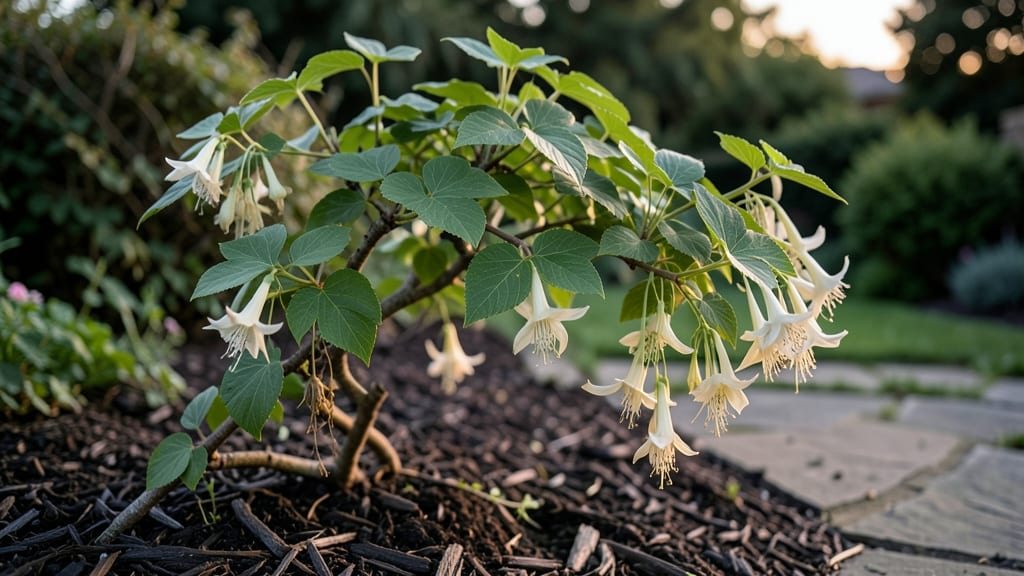
Sweet autumn clematis thrives in USDA hardiness zones 4 through 9, making it adaptable to cold winters and hot summers. Its vigorous growth suits temperate climates with proper winter protection in colder regions.
This hardy vine can handle freezing temperatures down to -30°F when properly established, but younger plants in zones 4-5 need extra care during their first winter. 🌿 The key to success lies in understanding how its deep roots insulate the crown while still requiring mulch in exposed areas.
Unlike other clematis varieties that struggle in colder climates, sweet autumn clematis actually benefits from cooler winters—it blooms more prolifically after winter dormancy. For gardeners in marginal zones, selecting a sheltered planting location and using winter mulch can push its growing range even further south.
What sets this clematis apart is its ability to handle both extremes—it thrives in the heat of zone 9 summers while still surviving zone 4 winters. The trade-off comes in late spring when young shoots emerge; a sudden late frost can damage tender new growth.
That's why I always recommend planting in a spot with afternoon shade during the hottest months, which helps prevent heat stress while still allowing full sun exposure for optimal flowering.
💡 In This Article
- Sweet Autumn Clematis Hardiness Explained
- Optimal Planting Zones and Microclimate Tips
Sweet autumn clematis hardiness explained
The sweet autumn clematis (Clematis terniflora) earns its reputation for toughness through a combination of biological adaptations and environmental resilience. This vine's cold hardiness stems from its deep root system, which can extend 3-5 feet below the surface, insulating the crown from freezing temperatures.
The roots store carbohydrates during summer that fuel winter survival, allowing the plant to endure -30°F once fully established—far colder than most garden vines can handle. 🔥 The key difference from other clematis varieties lies in its ability to tolerate both extreme cold and summer heat without compromising flowering.
What makes this clematis unique is its growth habit: it's a group 3 vine (late bloomer), meaning it produces its stunning white, fragrant flowers in late summer to early fall after the plant has fully hardened off.
This timing allows it to take advantage of warm summer days while still benefiting from cooler nights that many other clematis varieties can't tolerate.
In zone 4, where winters can be brutal, the plant enters dormancy earlier than in warmer zones, protecting its delicate buds from prolonged cold snaps that would damage other varieties.
The plant's resilience comes with trade-offs, particularly in its first few years. Young plants in zones 4-5 need careful winter protection because their root systems aren't yet deep enough to provide full insulation.
The crown (where roots meet stems) is especially vulnerable—if exposed to -20°F for extended periods, it can suffer damage.
This is why gardeners in colder regions often mound soil or mulch around the base in late fall, creating an insulating blanket that can raise soil temperatures by 5-10°F during cold snaps. 💛
Temperature fluctuations actually work in this clematis's favor. The contrast between warm summer days and cold winter nights helps trigger its flowering cycle, which is why it often produces more abundant blooms than varieties that experience more uniform temperatures.
In zone 9, where summers can be oppressive, the plant benefits from afternoon shade that prevents heat stress while still getting morning sun for photosynthesis. The leaves' waxy coating also helps reduce water loss during hot spells, making it more drought-tolerant than many other climbing plants.
When comparing sweet autumn clematis to other popular varieties like the early-blooming 'Jackmanii' or the late-blooming 'Niobe,' its hardiness stands out. While 'Jackmanii' (zone 4-9) focuses on early spring blooms and needs more winter protection, sweet autumn clematis prioritizes late-season flowers and can handle more extreme cold with less fuss.
The trade-off is its later blooming time, which means gardeners in colder zones might miss some early spring color from other varieties but gain spectacular late-summer fragrance that many other clematis can't match. ✨
One fascinating adaptation is how this clematis handles frost differently at various growth stages. New shoots emerging in spring are most vulnerable to late frosts, which is why gardeners in zone 4 should avoid planting in low-lying areas where cold air pools.
Once established, though, the mature plant can often survive -25°F without damage, making it one of the hardiest clematis varieties available. This resilience explains why it's such a popular choice for gardeners in both northern and southern climates—it can handle what other plants can't. 🌟