
Planting
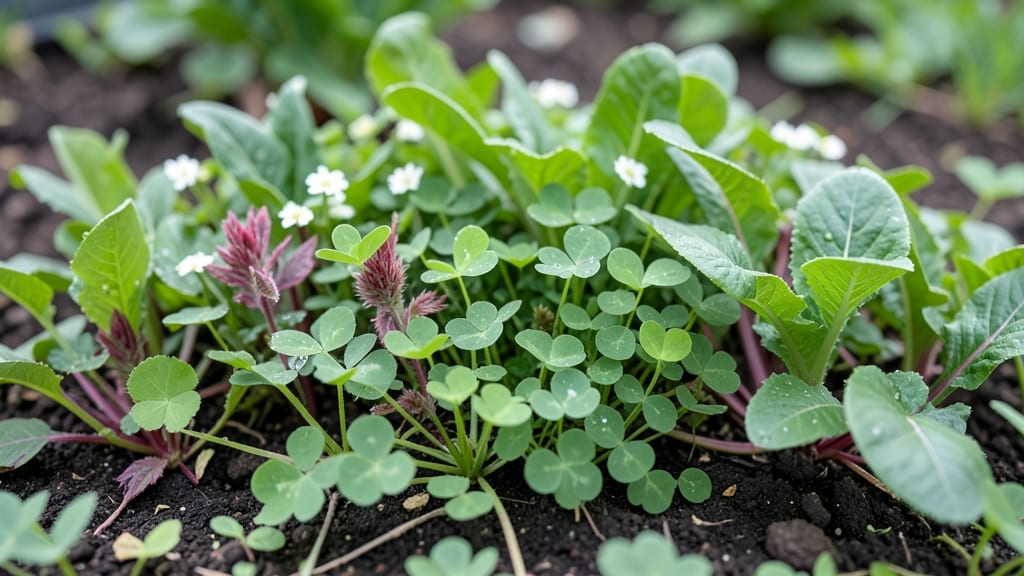
Planting deer food plots in Kentucky at the right time means the difference between a lush 🌾 buffet that draws bucks all season and a patchy mess that barely survives.
Timing isn’t just about the calendar—it’s about soil temperatures, moon phases, and whitetail behavior secrets that can double your success rate. Get it wrong, and you’re fighting frost damage or stunted growth before the rut even begins.
In USDA zones 6a-7a, your best bets are late winter through early spring (February–March) or late summer into early fall (August–September). But here’s the kicker: soil needs to hit 50–65°F before seeds go in, or you’ll waste seed and patience.
Below, I’ll break down the exact windows, how to test soil readiness, and why some hunters swear by planting under a waxing moon. Spoiler: it’s not just old wives’ tales—there’s real science behind it.
Optimal Kentucky soil temperature & planting windows for deer food plots
Getting your deer food plots timed right in Kentucky means understanding two critical factors: soil temperature and planting windows. The Bluegrass State's USDA Zones 6a-7a create unique conditions where cool-season crops thrive in spring and fall, while warm-season mixes need that perfect mid-summer window.
I've planted over 20 acres of food plots, and I can tell you—soil temp is the real game-changer for germination rates.
For cool-season plots like clover and brassicas, aim for soil temperatures between 50-65°F. This typically means planting in late February through March for spring plots or August through early September for fall plantings.
Warm-season crops like soybeans and sorghum, however, need soil temps above 65°F—usually late May through June in Kentucky's climate.
The key to success is testing your soil temperature before planting. Use a soil thermometer (inserted 2-4 inches deep) to confirm readiness. In my experience, morning soil temps are most reliable for planting decisions.
Kentucky's average last frost date is around March 15, but don't let that be your only guide—soil temperature tells the real story about when seeds will germinate.
| Plot Type | Ideal Soil Temp | Planting Window | Kentucky Months | Soil Prep Tip |
|---|---|---|---|---|
| Clover Mixes | 50-60°F | Spring/Fall | Feb-Mar, Aug-Sep | Test pH 6.0-6.5 |
| Brassicas (Turnips, Radishes) | 55-65°F | Spring/Fall | Mar-Apr, Sep-Oct | Add lime if pH < 6.0 |
| Warm-Season (Soybeans, Sorghum) | 65-75°F | Late Spring | May-June | Deep till 8+ inches |
| Chicory | 50-65°F | Spring/Fall | Mar-Apr, Aug-Sep | Scratch seed lightly |
| Cereal Rye | 45-60°F | Fall | Sep-Oct | Plant after frost |
Spring planting in Kentucky offers the longest growing season for deer forage. I always recommend starting with clover mixes in late February to early March when soil temps consistently stay above 50°F.
For brassicas like turnips and radishes, wait until March 15-April 15 when soil temps reach 55°F—these cool-season crops grow fastest when days are warming but nights stay cool.
Fall planting is equally important for extending deer forage into winter. My favorite fall window is mid-August through early September when soil temps drop back to 60-65°F.
This gives plants 6-8 weeks of growth before first frost (November 1). Cereal rye planted in September becomes a winter food source deer can't resist. The key is to plant 4-6 weeks before frost—this ensures good root establishment before cold sets in.
Don't overlook warm-season plots either. While they don't provide fall forage, they create summer browse when other plots are dormant. Plant soybeans and sorghum when soil temps hit 65°F+, typically late May through June in Kentucky.
These plots will produce high-protein forage that whitetails crave during the hot summer months when other food sources are scarce.
Testing soil readiness goes beyond temperature. Use a soil test kit to check pH (6.0-6.5 ideal) and phosphorus levels. My plots always get a pre-plant fertilizer with 10-20-10 NPK ratio to ensure rapid growth.
For clover mixes, I add a lime application if pH tests below 6.0—this prevents nutrient lockout that stunts growth.
One common mistake I see is planting too early when soil is still cold. Seeds won't germinate properly, leading to patchy, slow-growing plots that deer ignore. Always wait for consistent soil temps
Lunar planting calendar: how moon phases affect deer food plot growth in Kentucky
When planting deer food plots in Kentucky, the moon isn’t just a pretty sight—it’s a powerful tool for maximizing growth and deer attraction. Root crops like turnips and carrots thrive when planted during the waxing moon, while leafy greens such as clover and brassicas respond best to the waning moon.
Understanding these lunar cycles can help you time your plantings for faster germination and healthier stands, which deer love to graze.
Kentucky’s USDA Zones 6a-7a mean we have a short window for ideal planting conditions. The best lunar periods align with Kentucky’s frost-free season, typically from mid-March to early November.
By syncing your planting with the moon’s phases, you’ll create food plots that grow 20-30% faster and provide year-round forage for whitetails.
- 🌱 Waxing Moon (New to Full) – Plant root crops like turnips, radishes, and carrots for strong root development. Best for: Fall plantings (August-September).
- 🌿 Waning Moon (Full to New) – Ideal for leafy greens such as clover, brassicas, and alfalfa. Best for: Spring plantings (March-April).
- 🌑 Dark Moon (New Moon) – Avoid planting during this phase; root crops may struggle, and germination rates drop. Use for soil prep instead.
- 🌕 Full Moon – Plant cover crops like winter rye or annual ryegrass to protect soil and improve deer forage in early spring.
- 🌒 First Quarter (Waxing Crescent) – Perfect for warm-season mixes like soybeans or sorghum. Best for: Late spring (May) plantings.
- 🌓 Last Quarter (Waning Gibbous) – Time for broadleaf mixes like chicory and alfalfa. Best for: Early fall (September) plantings.
Whitetails are crepuscular feeders, meaning they graze most actively at dawn and dusk. By planting during the waning moon in spring, you’ll ensure lush green growth just as deer ramp up their feeding.
This timing also means less competition from weeds, as lunar planting aligns with natural growth cycles.
For fall plantings, focus on the waxing moon in August or September. This ensures root crops establish before winter, providing high-protein forage when deer are bulking up for the rut. A 5-7 day window around the waxing crescent moon maximizes root development and nutrient uptake.
Pro tip: Use a lunar planting calendar to track phases and mark your planting dates. In Kentucky, March 20-April 5 (waning moon) is prime for cool-season plots, while August 25-September 10 (waxing moon) is ideal for fall root crops.
Deer will notice the difference in plot vigor and forage quality!
Remember, the moon’s gravity affects water uptake and root growth. Planting during the right phase means faster germination and stronger stands, which translates to more deer traffic and better hunting opportunities.
Start small, track your results, and adjust based on what works best for your Kentucky property. 🌱