
Plants
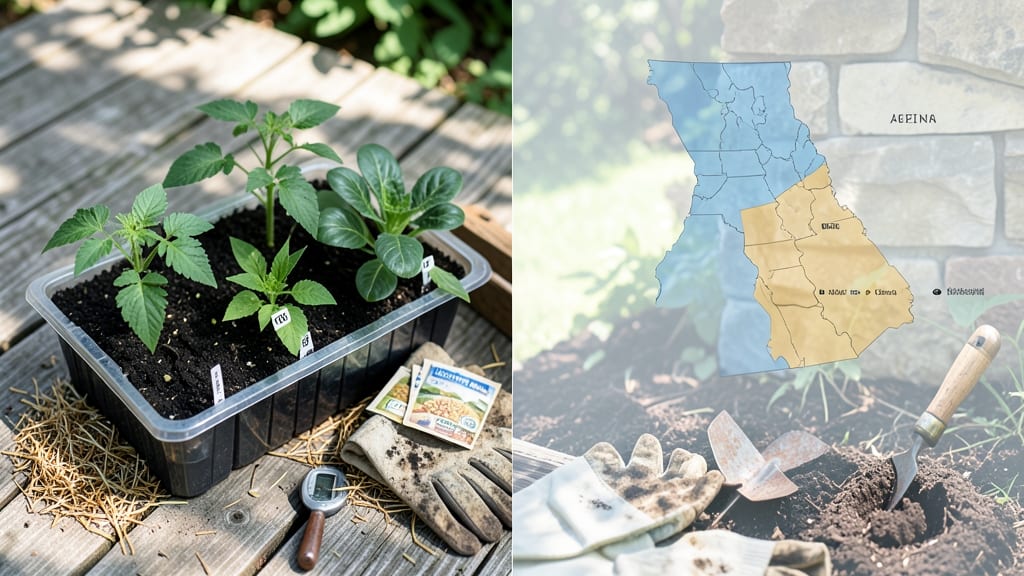
Planting in Georgia varies by crop and region: cool-season crops like lettuce and peas should go in early spring (February–March) or late fall (September–October), while heat-loving plants such as tomatoes and peppers wait until after the last frost (April–May). Southern Georgia’s extended growing season lets you plant 4–6 weeks later than northern areas.
Georgia's planting schedule isn't one-size-fits-all because the state spans zones 7a through 8b, creating major differences in frost dates. 🌱 For example, Atlanta's 7b zone typically sees last frost around March 15, while Savannah's 8b zone often waits until April 15.
This means your neighbor's perfect timing might be too early or late for your garden. Even within zones, microclimates near water or hills can shift planting by 2-3 weeks, so always check local frost data.
Another key factor is soil temperature. Most seeds need soil at 60°F or warmer to germinate properly, which happens naturally in late April for southern Georgia but may require row covers in northern regions until May.
I've found that using a soil thermometer for 2-3 days gives more reliable results than guessing by calendar dates.
💡 In This Article
- Georgia Planting Calendar by Hardiness Zones 7a–8b
- Best Heat-Tolerant Crops for Georgia’s Long Growing Season
Georgia planting calendar by hardiness zones 7a–8b
Georgia's planting schedule shifts dramatically from the cooler 7a zone in the north (think Blue Ridge Mountains) to the warmer 8b zone in the south (Savannah and coastal areas).
The USDA hardiness zone system helps explain why your neighbor in Athens might plant tomatoes in mid-April, while you in Valdosta can start them in early March.
The key difference is frost timing: northern Georgia averages its last spring frost around March 20, while southern regions often wait until April 15—a 3-week gap that changes everything.
Soil temperature is another critical factor. Most warm-season crops like cucumbers and squash need soil at 70°F+ to germinate properly. In zone 7a, this typically happens by mid-May, but in zone 8b, the ground warms enough by late April.
I've seen gardeners in Atlanta use black plastic mulch to raise soil temps by 5-10°F, effectively creating a microclimate that lets them plant 2 weeks earlier than the calendar suggests. 🌡️ The opposite happens in fall—cool-season crops like kale can bolt (go to seed) if planted too late in southern zones, while northern gardens stay productive longer.
Microclimates add another layer of complexity. A garden near a lake or river might experience 5-7°F warmer nights than one on a hilltop, allowing for earlier plantings. I once grew peppers in zone 7b that failed in a neighbor's yard just 0.5 miles away because of this effect.
To account for this, I recommend checking local weather stations for 3-year averages of frost dates rather than relying on general zone guidelines. Apps like PlantNet or Frost Freeze provide hyper-localized data that can adjust your schedule by 1-2 weeks either way.
For specific crops, timing varies dramatically. Tomatoes, for example, should go in 2-3 weeks after last frost in northern zones (mid-April) but can start by early March in southern areas.
Cool-season greens like spinach have a 60-day window in fall before freezing, meaning September plantings work in zone 8b but October plantings are better in zone 7a. The rule of thumb?
Plant warm crops when soil reaches 65°F, cool crops when soil drops below 75°F, and always have succession crops ready for 2-week intervals to maximize harvests.
One surprising detail is how humidity affects planting. Southern Georgia's high humidity can cause fungal diseases in seedlings, so I recommend using drip irrigation instead of overhead watering for the first 30 days. In drier northern regions, you might need to water daily during heatwaves to prevent transplant shock.
The same crop can require completely different care depending on where you are in the state—another reason local adjustments matter more than blanket recommendations.
For gardeners new to Georgia, here's a quick reference for major crops by zone:
- Zone 7a (North): Tomatoes April 15, Peppers May 1, Greens Feb 15/Mar 15
- Zone 7b (Central): Tomatoes April 1, Peppers April 20, Greens Feb 1/Mar 1
- Zone 8a (South): Tomatoes March 15, Peppers March 25, Greens Jan 15/Feb 15
- Zone 8b (Coastal): Tomatoes Feb 28, Peppers March 1, Greens Jan 1/Feb 1
The bottom line? Georgia's diversity means you need to think like a local. Start with your specific zone, adjust for microclimates, and always monitor soil temperature—it's the most reliable predictor of success.
With these adjustments, you can push your growing season by 30-45 days** compared to following generic national guidelines. 🌱