
Plants
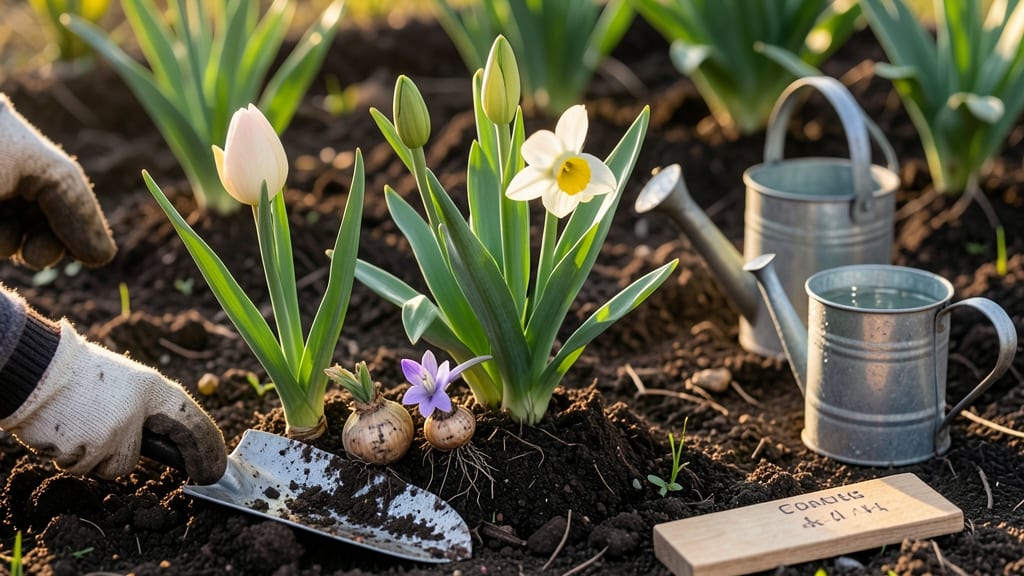
Planting in spring feels like a race against frost—but timing it wrong means sad, stunted plants. 🌱 The right moment depends on your zone, soil warmth, and what you're growing. Most gardeners wait until after the last average frost date, but there's more to it than just checking a calendar.
Cool-season crops like broccoli and peas can handle light frosts, while tender tomatoes and peppers need warm soil. I learned this the hard way when my basil bolted after an early spring heatwave.
Start by checking your local frost dates, then adjust for your microclimate—valleys stay colder, south-facing beds warm faster. The goal is soil that's at least 40°F for most veggies, 60°F+ for heat lovers.
📚 In This Guide
- What you need
- Instructions
- Tips and common mistakes
- Wrapping up and next steps
What you need
- ● Seedlings or seeds: Choose varieties suited to your USDA Hardiness Zone (e.g., lettuce, tomatoes, or marigolds). Start with 3–5 plants per variety to test success.
- ● Garden soil or potting mix: 1–2 cubic yards (for in-ground gardens) or 5–10 gallons (for containers). Opt for well-draining, organic-rich soil (pH 6.0–7.0).
- ● Gloves: 1–2 pairs (nitrile or leather for durability).
- ● Hand trowel or transplanting spade: 1–2 units (5–8" blade for precision).
- ● Watering can or hose with nozzle: 1 unit (spray or gentle stream setting).
- ○ Mulch (optional but recommended): 2–3 bags (straw, shredded leaves, or bark chips for moisture retention).
- ● Frost protection: Row covers or frost cloth (if last frost is late in your zone).
- ● Soil thermometer: To check 60–70°F soil temps before planting warm-season crops.
- ● Seedling trays or biodegradable pots: For starting seeds indoors 4–6 weeks before the last frost.
- ● Compost or fertilizer: Balanced 10-10-10 or slow-release granules (follow package rates).
- ● Plant labels: Waterproof markers + stakes to track varieties.
- ● Knee pads or stool: For comfort during long planting sessions!
Instructions: planting by spring frost dates
Timing is everything—here’s how to align your planting with your local climate zone.
⏰ Step 1: Determine Your Last Frost Date
Find your average last frost date using the USDA Plant Hardiness Zone Map or your local cooperative extension office. This is your starting point—most cool-season crops can handle light frosts, but tender plants need to wait until all danger has passed. I always mark my calendar with this date and count backward from there.
For example, in Zone 5, last frost typically falls around April 15, while Zone 9 might see frost as late as January 31. If you’re unsure, ask neighbors with mature gardens—they’ve likely tracked it for years.
🌱 Step 2: Plant Cool-Season Crops 4-6 Weeks Before Last Frost
Leafy greens, peas, and root vegetables like carrots and beets thrive in cooler weather. Start these 4-6 weeks before your last frost date so they mature before summer heat sets in. I like to plant lettuce and spinach first—they bolt (go to seed) quickly in warm soil.
Use row covers or cold frames for extra protection if nights dip below 25°F. Watch for frost warnings and cover plants if temperatures drop unexpectedly. You’ll see new growth within a week if conditions are right.
☀️ Step 3: Wait Until After Last Frost for Warm-Season Plants
Tomatoes, peppers, and cucumbers need soil temperatures above 60°F to germinate. Wait until 2 weeks after your last frost date to plant these, or use a soil thermometer to confirm. I’ve learned the hard way—planting too early stalls growth and invites disease.
If your spring is unpredictable, start warm-season crops indoors 6-8 weeks before the last frost. Transplant seedlings outdoors only when nighttime temperatures stay above 50°F. You’ll know they’re ready when the soil feels warm to the touch.
🌿 Step 4: Adjust for Microclimates and Soil Conditions
South-facing slopes warm faster than shaded areas, so plant heat-lovers there first. If your soil stays cold, amend it with compost to raise temperatures. I always test soil moisture—dry soil warms faster than damp soil, which can delay planting.
Observe your garden’s patterns: Does frost linger in low spots? Do certain areas dry out quicker? Use these observations to fine-tune your schedule. A few extra days of waiting can mean the difference between thriving plants and stunted growth.
✂️ Step 5: Monitor and Extend the Season as Needed
If an unexpected late frost hits, cover tender plants with blankets or frost cloth. I’ve saved entire rows of basil this way—just weigh down the edges so wind doesn’t tear it. For early starts, use cold frames or low tunnels to create a warmer microclimate.
Keep notes each year on what worked and what didn’t. Over time, you’ll develop a planting schedule tailored to your spot. The goal isn’t perfection—it’s adapting to what your land actually delivers.
Tips & tricks for perfect spring planting timing
Getting your planting schedule right can make or break your garden's success—here's how to nail it every time.
Climate Zone Research: Don't rely solely on the USDA map—visit your local cooperative extension office for hyper-local frost data. They often track frost dates year-to-year with far more precision than national averages. I've seen variations of up to 2 weeks between neighboring towns in the same zone!
Microclimate Mastery: Your garden isn't one uniform space—south-facing beds warm 2-3 days earlier than north-facing ones. Plant heat-loving tomatoes on the sunny slope first, while shade-tolerant lettuce thrives in cooler spots. I always mark my garden map with these variations after my first season.
Soil Temperature Secrets: A soil thermometer is your best friend for warm-season plants. The 60°F threshold isn't just about germination—it's when soil microbes become active too. Cold soil means poor nutrient availability, even if air temps seem perfect. I test soil temps at 4 inches deep for most accurate readings.
Frost Protection Hacks: For those critical 4-6 weeks before last frost, row covers work wonders—but don't forget to secure them well. I've lost entire rows of peas when covers blew off in windy nights. Use bricks or stakes to weigh down edges, and leave a small gap for air circulation to prevent mold.
Pro Tips for When To Plant In The Spring
- Getting your planting schedule right can make or break your garden's success—here's how to nail it every time.
- Climate Zone Research: Don't rely solely on the USDA map—visit your local cooperative extension office for hyper-loca...
- Microclimate Mastery: Your garden isn't one uniform space—south-facing beds warm 2-3 days earlier than north-facing o...
Frequently asked questions
Got questions about spring planting? You’re not alone! Here are answers to the most common concerns—so you can get your garden growing with confidence.
How do I know when the last frost date is in my area?
Check your local USDA Plant Hardiness Zone or use the USDA Plant Hardiness Zone Map. Many local nurseries or extension offices also provide frost-date calendars. If you’re unsure, plant after the average last frost date—or use frost-protective covers for early starts.
Can I plant too early in spring?
Planting too early risks frost damage, stunted growth, or even death for tender plants. A good rule: Wait until soil temps reach 60°F (15°C) for warm-season crops (like tomatoes) and 40°F (4°C) for cool-season crops (like lettuce). Use a soil thermometer to check.
What if I miss the ideal planting window?
Don’t panic! Many veggies (like beans, peas, or kale) tolerate cooler temps and can be planted after the ideal window. For warm-season crops, opt for fast-maturing varieties or use container gardening to extend the season. Succession planting also helps keep harvests coming.
Should I start seeds indoors before the last frost?
Yes! For plants like tomatoes, peppers, or herbs, start seeds 6–8 weeks before your last frost date. Use seed-starting mix in trays with grow lights or a sunny windowsill. Harden off seedlings (acclimate them to outdoor temps) 1–2 weeks before transplanting to avoid shock.
What do I do if a late frost kills my plants?
Late frosts happen! Cover tender plants with frost cloth or old blankets at night. For damaged plants, trim dead foliage and monitor for recovery. Some crops (like Swiss chard or spinach) may bounce back, while others (like tomatoes) might need replanting. Keep soil moist to help roots recover.
Pro Tip:
Use a planting calendar (like the one from Gardeners.com) to track frost dates, soil temps, and moon phases—it’s a game-changer for timing!
Wrapping up and next steps
Timing your spring planting just right ensures a thriving garden and bountiful harvests! By aligning your efforts with your USDA climate zone and last frost date, you’ll give your plants the best start.
Whether you’re sowing seeds or transplanting seedlings, confidence comes from preparation—so grab your calendar, check local forecasts, and get ready to nurture your green dreams!
🌱 Next step: Mark your calendar with your frost date, then dive into planning your seasonal lineup. Happy planting—your future harvests are waiting! 🌿