
Plants
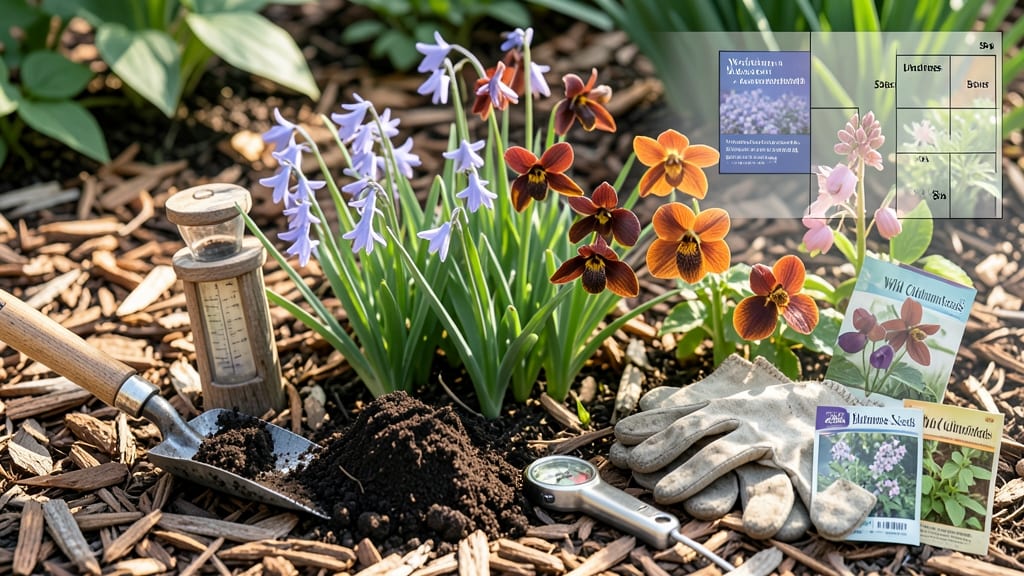
Planting in Virginia requires timing based on frost dates and crop type: cool-season crops like lettuce and spinach thrive in early spring (March-April) or fall (September-October), while warm-season plants such as tomatoes and peppers must wait until after the last frost (mid-April to early May). Always verify your exact location using USDA zone maps.
Virginia's planting seasons vary dramatically between the coastal regions (like Norfolk) and inland areas (such as Roanoke), where frost dates can differ by weeks. 🌱 For example, the Tidewater area often sees its last frost by early March, while the Piedmont might still experience frost into late April.
I recommend checking your local Extension office's frost data—it's the most reliable way to avoid losing young plants to unexpected cold snaps. Even experienced gardeners sometimes misjudge, so I always plant a few extra seeds as backup!
Beyond frost dates, soil temperature matters just as much. Warm-season crops like cucumbers and peppers won't germinate until the soil reaches 60°F or higher, which typically happens in May for most of Virginia.
Cool-season crops, on the other hand, can handle cooler soils—just make sure they're planted when daytime temperatures consistently stay above 40°F to prevent stunted growth.
💡 In This Article
- Virginia Frost Dates and Planting Zones
- Best Planting Schedule for Virginia Gardens
Virginia frost dates and planting zones
Virginia's frost patterns are shaped by its diverse geography, spanning from the Atlantic coast to the Appalachian Mountains.
The state covers USDA hardiness zones 5b-8a, meaning coastal areas like Virginia Beach (zone 8a) rarely see frost after early March, while higher elevations in the Blue Ridge Mountains (zone 5b) can experience frost well into May.
This variation creates a 2-4 week difference in planting windows between regions—something I've learned the hard way after losing a batch of tomato seedlings to a late April frost in the Shenandoah Valley!
The science behind these frost dates involves temperature inversion layers, where cooler air settles in valleys while warmer air stays above ridges. Coastal areas benefit from the moderating influence of the Atlantic Ocean, which delays frost formation. Inland regions, however, face more dramatic temperature swings.
For precise timing, I recommend using the 32°F average date from your local Extension office—this accounts for both historical patterns and microclimates. For example, Richmond typically sees its last frost around April 15, while Charlottesville might experience frost until May 1.
Understanding these patterns helps avoid common mistakes like planting warm-season crops too early. I once saw a gardener in Fredericksburg plant peppers in late March, only to have them wilt when temperatures dropped to 38°F.
The key is waiting until soil temperatures consistently stay above 60°F for warm-season plants—this usually aligns with the last frost date plus 2-3 weeks. For cool-season crops, planting 4-6 weeks before the last frost gives them time to establish roots before summer heat arrives.
Another critical factor is historical frost data—not just the average last frost date. Some years, like 2018, saw late frosts in Virginia's Piedmont due to unusual weather patterns.
To hedge your bets, I use a rolling average of the last 10 years' frost dates from sources like the National Weather Service. This approach gives a more realistic picture than relying on a single year's data.
For example, while the average last frost in Blacksburg is April 20, checking the last decade shows frosts as late as May 5—so I always wait until May 10 to plant heat-loving crops like okra.
Visualizing these patterns helps too. Coastal Virginia's frost-free season stretches from March 1 to December 15, while the western mountains might only have 180-200 frost-free days. This explains why tropical plants like eggplants thrive in Norfolk but struggle in Roanoke.
For gardeners, this means choosing varieties with shorter growing seasons for inland areas—like 55-day tomatoes instead of 80-day varieties.
One pro tip I've picked up from local farmers is to use frost-sensitive plants as early warning systems. Plant a few rows of basil or coleus near your garden—if they show frost damage, you know it's time to cover tender crops.
This natural indicator has saved me from losing entire plantings of peppers and squash to unexpected cold snaps. Pair this with a minimum thermometer buried in your garden bed to track overnight temperatures accurately.