
Planting
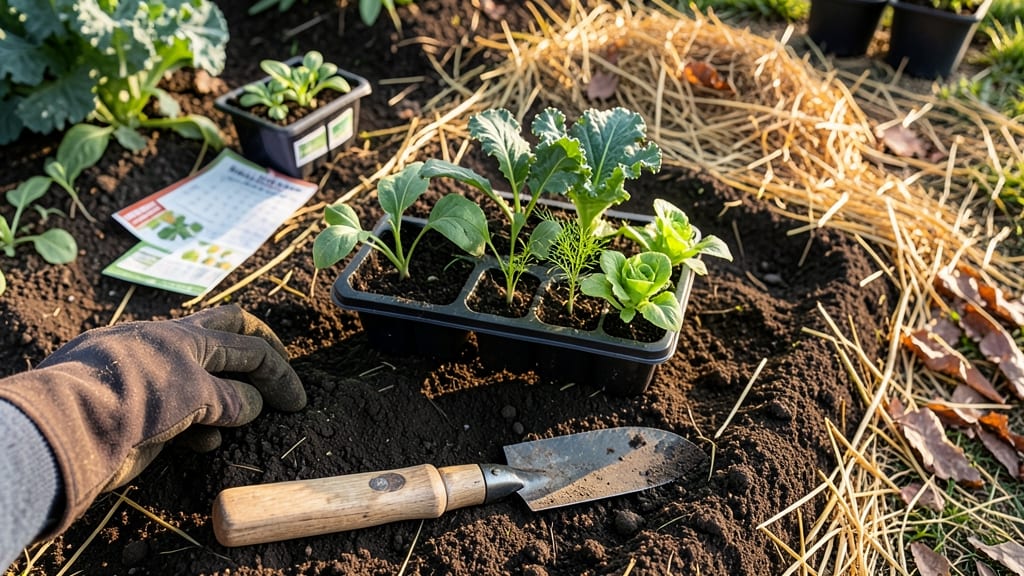
Planting seeds in the fall lets you harvest fresh produce when spring crops are still months away — but only if you get the timing right.
That first crisp morning when you step outside and the air smells like woodsmoke? That’s the window you’ve got to work with. Plant too early, and frost will turn your tender seedlings into sad, mushy memories.
Too late, and the cold will stall their growth before they even get started. The key isn’t guessing—it’s knowing the exact soil temperature triggers that tell you when to pull out those seed packets.
Whether you’re in Zone 5 or Zone 9, the right timing can mean the difference between a bumper crop of kale and spinach and a patch of frozen dirt. I’ve learned the hard way that checking soil temps (not just air temps) is the game-changer for fall planting success.
Below, I’ll break down the ideal temperature ranges, the best crops to sow by month, and how to stretch your harvest well into winter.
Ready to turn those late-season beds into a goldmine? Let’s dig in.
Fall seed planting by soil temperature: the exact triggers for success
Fall planting offers a second chance to grow fresh vegetables, but getting the timing right depends on one critical factor: soil temperature. Unlike spring planting, where we chase warmth, fall success hinges on cooler—but not freezing—ground.
The sweet spot for most fall seeds is between 50°F and 65°F, where roots establish without dormancy. This range varies slightly by crop type, so let’s break down the exact triggers for leafy greens, root vegetables, and brassicas to maximize your harvest before winter sets in.
Why does soil temperature matter so much in fall? Seeds need warmth to germinate, but once sprouted, cool-season crops thrive in cooler air. If you plant too early, seedlings may bolt or rot in warm soil; too late, and they won’t mature before frost.
The key is aligning your planting window with your USDA hardiness zone and local frost dates. For example, gardeners in Zone 5 might aim for mid-September, while those in Zone 10 could extend planting into November. Let’s dive into the specifics.
To test your soil temperature, use a soil thermometer (insert 2–3 inches deep) or the "finger test": press your finger into the soil. If it feels cool but workable—like a chilled apple—it’s likely in the ideal range.
For precision, check temperatures at 10 AM (when soil warms slightly) and 4 PM (when it cools). Adjust your planting schedule based on these readings to avoid the common mistake of planting when soil is still too warm.
For gardeners in cooler climates (Zones 3–5), focus on late August to early September planting. In these regions, soil temperatures drop quickly, so prioritize fast-maturing varieties like radishes (25–30 days) or baby spinach (30–40 days).
If your first frost is predicted in mid-October, aim to sow seeds by September 1st to ensure harvests before winter. Use a frost calendar from your local cooperative extension office for precise dates.
In warmer zones (Zones 6–10), you can extend planting later into fall. For example, in Zone 8, soil may stay warm enough for carrots or lettuce until early November. However, avoid planting when nighttime temperatures dip below 45°F, as this can stunt growth.
If you’re in a mild-winter zone (9–10), you might even try winter planting with cold-hardy crops like kale or arugula, which thrive in temperatures down to 20°F.
Adjust your planting window by 2–3 weeks earlier if your soil heats up faster (e.g., dark-colored soil or south-facing beds). Conversely, delay planting by 1–2 weeks in shaded or sandy soils, which cool more quickly. Pro tip: Mulch with straw
Best fall-season crops to plant by month and region
Fall gardening rewards patience with hearty harvests that last well into winter. The key is knowing which cool-season crops thrive in your USDA zone and when to plant them for optimal growth before the first frost.
Whether you're in Zone 3's harsh winters or Zone 10's mild climate, timing is everything. Let's break down the best crops to plant each month and how to extend their harvests.
For northern regions (Zones 3–6), focus on hardy greens and root vegetables that tolerate light frosts. In southern zones (7–10), you can push later plantings thanks to warmer soils.
Always check your average first frost date—this dictates your last planting window. Use row covers or cold frames to protect tender seedlings and stretch harvests well into December.
Plant spinach, radishes, and turnips for early fall harvests. Soil temps should be 60–65°F. Use row covers to protect young plants.
Sow kale, carrots, and beets. These thrive in 50–60°F soil. In Zone 9–10, plant broccoli and cabbage for winter harvests.
Last chance for lettuce, collards, and garlic. Use cold frames to extend harvests. In Zone 10, plant peas for early spring harvests.
Direct-sow onions and fava beans. Mulch heavily to protect roots. In Zone 7–10, plant spinach for winter harvests under row covers.
Final window for radishes and turnips. Use black plastic mulch to warm soil. In Zone 10, plant kale for year-round harvests.
Pro tip: Always test soil temperature before planting—use a soil thermometer for accuracy. Aim for 50–65°F for most fall crops. If your soil is too warm, wait a week or two for cooler temps to prevent bolting in greens like lettuce.
For root vegetables, slightly cooler soil (50–55°F) encourages sweeter flavors.
Extend your harvests with low tunnels or cold frames. These create microclimates that protect plants from light frosts (down to 20°F for hardy crops like kale). In Zone 3–5, use straw mulch to insulate soil and keep roots from freezing.
Always water deeply before the first frost to help plants establish roots for winter survival.
Don’t forget succession planting! Sow radishes every 2 weeks in late summer and early fall for a continuous harvest. This works for bush beans and lettuce too. By staggering plantings, you’ll enjoy fresh produce well into winter, even in colder climates. Happy planting!