
Planting
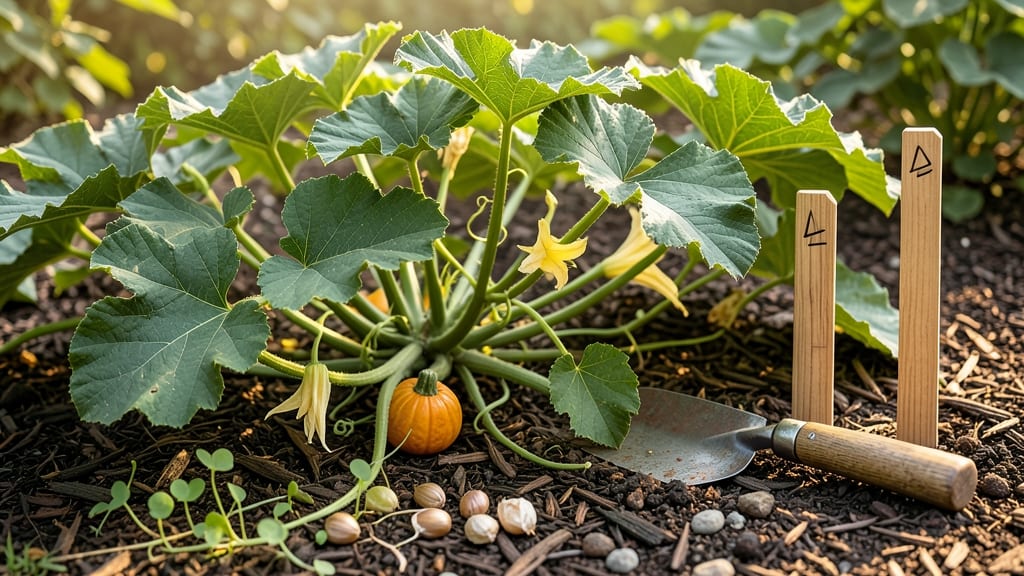
Proper acorn squash plant spacing is the difference between a thriving patch of 🎃 and a sad, crowded mess that yields tiny, rot-prone fruit.
If you’ve ever watched your squash vines sprawl into a tangled web, only to harvest undersized, misshapen squash—or worse, find them rotting on the ground—you know the stakes.
Spacing isn’t just about giving plants room to breathe; it’s about airflow, sunlight access, and even disease prevention. Crowded squash plants invite powdery mildew, stunted growth, and poor fruit development, while the right layout maximizes yields and makes harvesting a breeze.
In this guide, I’ll walk you through the science-backed spacing methods—rows, hills, and everything in between—that professional gardeners use to grow bigger, healthier acorn squash. You’ll learn how to adjust spacing for your soil, climate, and garden size, plus how to fix spacing mistakes mid-season before they ruin your harvest.

Optimal acorn squash spacing: rows vs. hills for maximum yield
When planting acorn squash, proper spacing determines whether you'll harvest large, healthy fruit or struggle with crowded vines and disease-prone plants. Most gardeners swear by two methods: rows or hills.
Each has unique benefits depending on your garden layout and goals. Let's break down the science-backed spacing strategies to help you decide which method will work best for your acorn squash patch.
Acorn squash vines spread 4-6 feet wide, but their fruit size and disease resistance depend heavily on how much space they have above and below ground. Poor spacing leads to smaller squash, powdery mildew, and rotten fruit from poor air circulation.
By following the right spacing, you can double your yield while keeping plants thriving.
Here’s how the two methods compare: rows create neat, organized beds ideal for larger gardens, while hills mimic natural mounding and work well in smaller spaces.
Both require careful planning to maximize sunlight, airflow, and soil nutrients. Let’s dive into the specifics to help you choose the best approach for your garden.
For rows, plant acorn squash seeds 2–3 feet apart within the row and 4–6 feet between rows. This setup works best in large garden plots where you want a structured layout.
The extra space between rows improves airflow and makes it easier to weed and harvest without disturbing the plants. However, rows can take up more space, which might not be ideal if you're working with a small backyard.
If you prefer hills, mound soil into small hills about 12–18 inches wide and 6–8 inches high. Plant 2–3 seeds per hill, spacing hills 3–4 feet apart in all directions. Hills improve drainage and warm the soil faster in spring, giving your squash a head start.
This method is perfect for small gardens or areas with poor soil drainage, as the elevated soil prevents waterlogging.
Both methods require full sun exposure (6–8 hours daily) and well-draining soil. If you're unsure which to choose, consider your garden’s size and layout. For example, raised beds or containers might work better with hills, while in-ground gardens can accommodate rows more easily.
Always prioritize air circulation—this is key to preventing fungal diseases like powdery mildew.
One common mistake gardeners make is overcrowding their acorn squash, thinking more plants equal more fruit. In reality, too little space leads to smaller squash, yellowing leaves, and rotten fruit.
To avoid this, stick to the spacing guidelines and thin seedlings early if they grow too close together. Proper spacing also makes it easier to spot pests like squash bugs or cucumber beetles, allowing you to act quickly.
For maximum yield, combine proper spacing with companion planting. Place marigolds or nasturtiums around your squash to deter pests naturally. Avoid planting near potatoes or melons, as they compete for nutrients.
Mulching around your plants with straw or grass clippings helps retain moisture and keeps weeds at bay, further supporting healthy growth.
If you're growing acorn squash in containers, opt for hills and use large pots (at least 18 inches deep) with well-draining soil. Space containers 3–4 feet apart to allow vines to spread without overcrowding.
Container gardening works well for balconies or patios, but be prepared to harvest squash earlier due to limited root space.
Remember, acorn squash thrives with consistent care. After planting, water deeply once a week (or more in hot climates) and fertilize lightly every 4–6 weeks with a balanced 10-10-10 fertilizer. Avoid over-fertilizing, as this can lead to excessive vine growth and
How to adjust acorn squash spacing for different growing conditions
Your acorn squash plants deserve room to thrive, but spacing needs change based on where and how you grow them.
In standard in-ground gardens, I space plants 3-4 feet apart in hills, but that’s just the starting point. Soil fertility, climate humidity, and garden layout all demand adjustments to prevent disease and maximize yields. Let’s break down how to tweak spacing for your unique setup.
For example, in heavy clay soil, I increase spacing to 4-5 feet to reduce competition for nutrients and improve drainage. Meanwhile, in sandy soil, I can tighten spacing to 2.5-3 feet because the soil drains so well that roots won’t compete as fiercely.
These small tweaks make a big difference in fruit size and plant health.
In humid climates, I prioritize air circulation by spacing plants 4-5 feet apart, even in raised beds. Poor airflow is a breeding ground for powdery mildew, and squash vines need that space to dry quickly after morning dew.
If you’re in a dry region, you can reduce spacing slightly to 3 feet while ensuring deep watering to support root growth.
🌱 Acorn Squash Spacing Quick Guide
| Condition | Spacing Adjustment | Why It Matters |
|---|---|---|
| In-ground soil | 3-4 ft apart | Balances root spread and sunlight |
| Raised beds | 2-3 ft apart | Conserves space while improving drainage |
| Containers | 1 plant per 15-gallon pot | Prevents root binding and stunted growth |
| Humid climates | 4-5 ft apart | Enhances airflow to reduce mildew |
| Trellising | 2-3 ft apart vertically | Saves space and improves fruit access |
Pro Tip: Always space for the mature vine size, not the seedling!
If you’re growing acorn squash in containers, the rules change completely. I use 15-gallon pots for each plant, ensuring they’re at least 12 inches deep to accommodate sprawling roots.
For small-space gardening, consider vertical trellising—space plants 2-3 feet apart along the trellis to save horizontal room while keeping vines off the ground and reducing disease risk.
For companion planting, I adjust spacing based on the companion. For instance, planting bush beans between squash hills (spaced 2 feet apart) adds nitrogen to the soil without stealing sunlight.
However, avoid pairing squash with cucumbers in the same row—both are heavy feeders and need their own space to avoid competition for nutrients.
Finally, watch for overcrowding signs like yellowing leaves or small, misshapen squash. If you spot these mid-season, thin out plants immediately to 3 feet apart and mulch heavily to retain moisture.
Proper spacing isn’t just about numbers—it’s about giving your squash the room to breathe and thrive, no matter your garden’s unique conditions.