
Planting
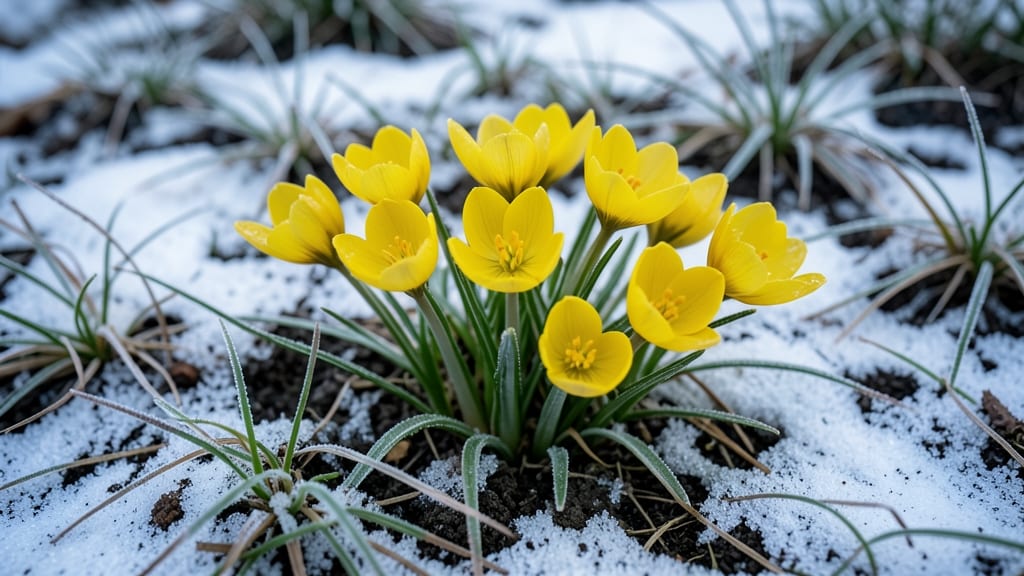
January gardening doesn’t have to wait for spring—these hardy bulbs thrive when planted in cold weather, delivering vibrant blooms before most perennials even emerge. Perfect for gardeners eager to beat frost and add early color to their landscape.
Daffodils for Reliable Early Spring Color
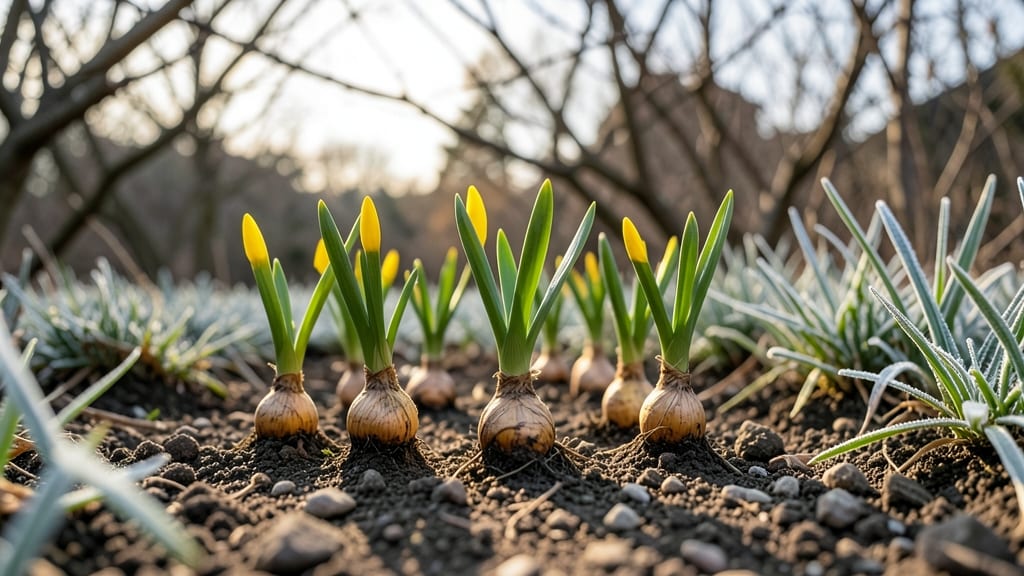
When winter feels endless, daffodils are the unsung heroes of January planting—delivering bright cheer before most gardens even wake up. Their hardy nature makes them the perfect choice for gardeners who want reliable color without the fuss of delicate blooms.
Plant daffodil bulbs in well-drained soil under full sun to partial shade, and they’ll reward you with deer- and squirrel-resistant blooms in yellow, white, or orange. A little mulch after planting helps insulate roots during cold snaps, while their long storage life means you can enjoy them for years. They’re especially stunning in sunny borders or woodland edges where other plants are still dormant.
This makes them ideal for beginners, busy gardeners, or anyone craving a pop of color in early spring. 🌱
Tulips for Bold Winter Garden Drama
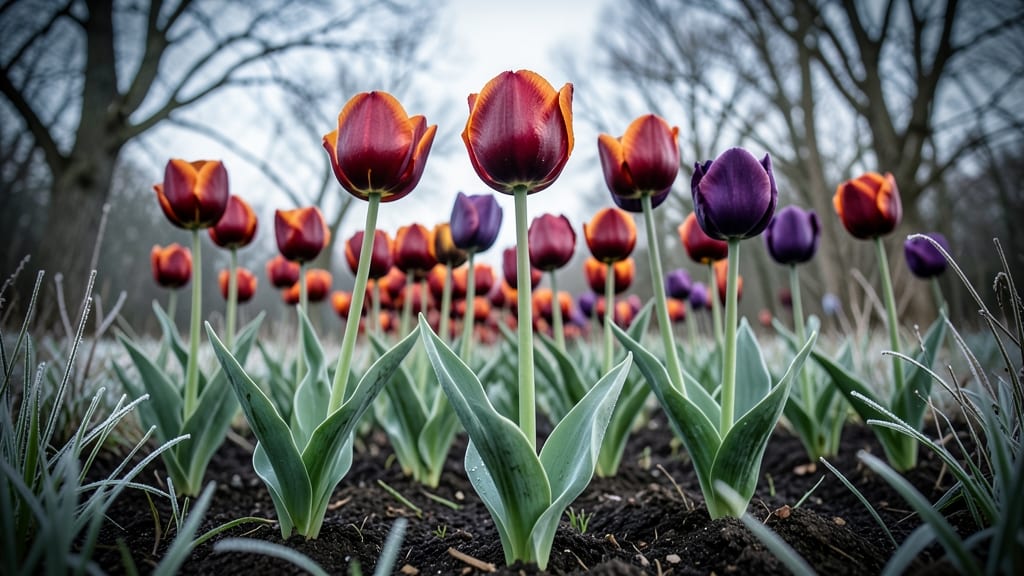
Want tulips that steal the show in your garden? Planting them in January gives you taller stems and larger blooms—a secret to showstopping spring displays. The key is choosing Darwin Hybrid tulips, bred for their dramatic, long-stemmed flowers that last weeks in vases or garden beds.
These varieties thrive in full sun and well-drained soil, making them ideal for cutting gardens or borders. After planting, mulch lightly to protect bulbs from freezing temperatures. For extra drama, mix colors like deep reds, fiery oranges, or soft pinks—each bloom will be bold and abundant.
Perfect for gardeners who love high-impact blooms with minimal fuss, Darwin Hybrids reward your January effort with weeks of vibrant color and effortless beauty. 🌟
Crocus for Tiny but Mighty Winter Blooms
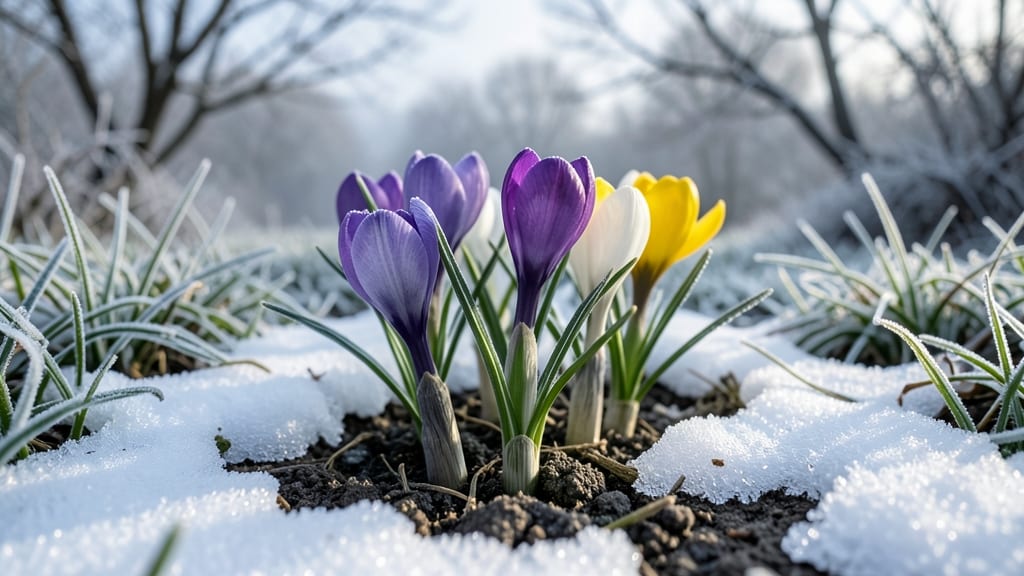
When winter still grips the garden, crocus bulbs are nature's secret weapon—tiny but bold, they burst through snow to welcome early pollinators like bees and butterflies. Their vibrant purple, white, or yellow blooms create a stunning contrast against frost-kissed grass, proving that winter isn't just dormant, but full of potential.
Plant these hardy bulbs in clusters of 10-15 for maximum impact, either under deciduous trees (where they’ll catch sunlight before leaves emerge) or along pathways where their cheerful colors can be admired up close. Crocus thrive in well-drained soil and even multiply over time, creating naturalized carpets that require almost no maintenance. For best results, plant bulbs in late fall or early winter—they’ll reward you with blooms as early as February or March.
Perfect for urban gardeners with limited space or anyone wanting to add instant color to their winter landscape, crocus prove that small bulbs can make a big impact. Their early blooms also provide crucial nectar for pollinators emerging from hibernation—making them a must-have for eco-conscious gardeners. 🌱
Hyacinths for Fragrant Garden Perfume
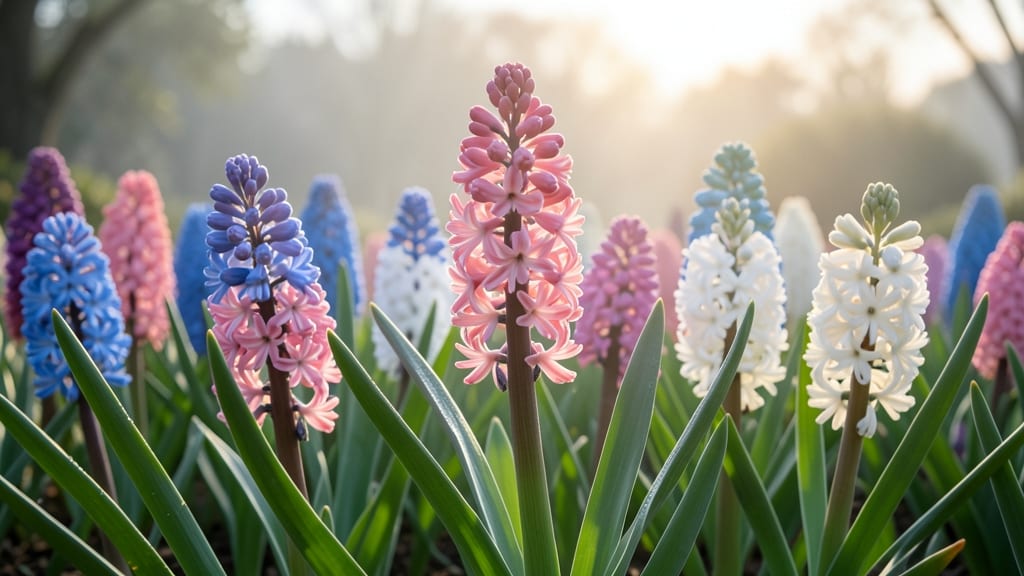
Step into your garden in early spring and let the intoxicating scent of hyacinths wrap around you like a fragrant hug. These bulbs are nature’s perfume bottles, packing dense clusters of pink, blue, or white blooms into every inch of their spiky stems—perfect for sensory gardens where you want to engage all five senses.
Plant hyacinths in well-drained soil with full sun to partial shade, and they’ll reward you with weeks of intoxicating fragrance that fills the air. Their compact size makes them ideal for containers on patios or borders where you can lean in close to inhale their sweet, honey-like scent. Just be mindful of squirrels—they love digging up these bulbs, so plant them deep (6 inches) or use protective cages if needed.
Urban gardeners and small-space enthusiasts will love how hyacinths thrive in tight quarters, while their bold colors and heady aroma make them a standout choice for anyone who wants to turn their garden into a fragrant sanctuary. 🌷
Alliums for Unique Globe-Shaped Blooms
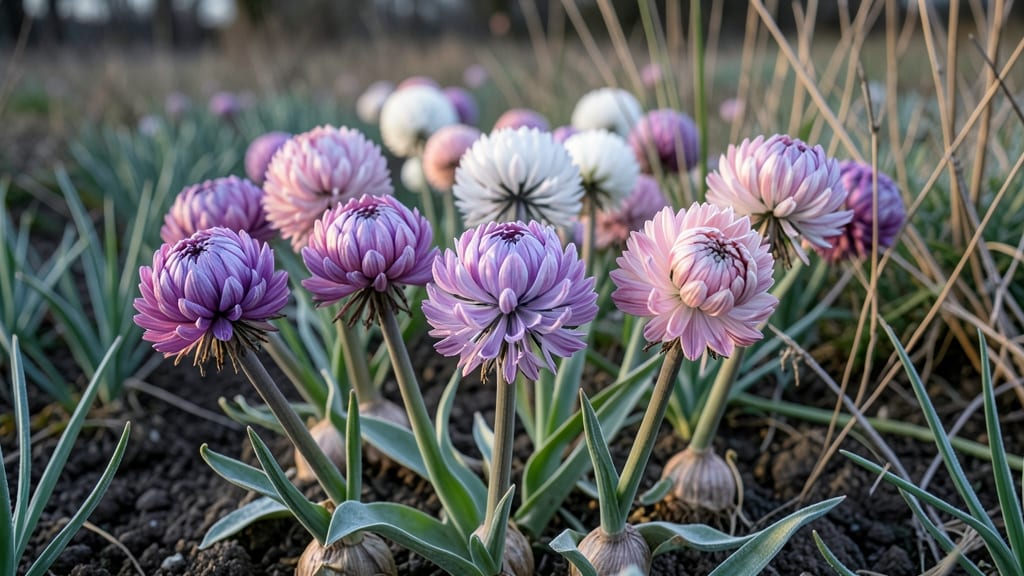
If you want to add dramatic texture to your garden without relying on traditional blooms, alliums are your secret weapon. These ornamental onions produce spherical, globe-shaped flowers in shades of purple, pink, and white that stand out like architectural sculptures against foliage.
Plant allium bulbs in January for a late-spring show (May-June), when their 3-5 inch-wide blooms draw pollinators like bees and butterflies. They thrive in full sun to partial shade and well-drained soil, making them ideal for rock gardens, cottage-style borders, or container arrangements. Varieties like Allium giganteum reach towering heights, while Allium schubertii creates lush purple clusters.
These bulbs are perfect for gardeners who love low-maintenance structure—once planted, they multiply over time and return year after year. 💚
Snowdrops for Early Shade Tolerance
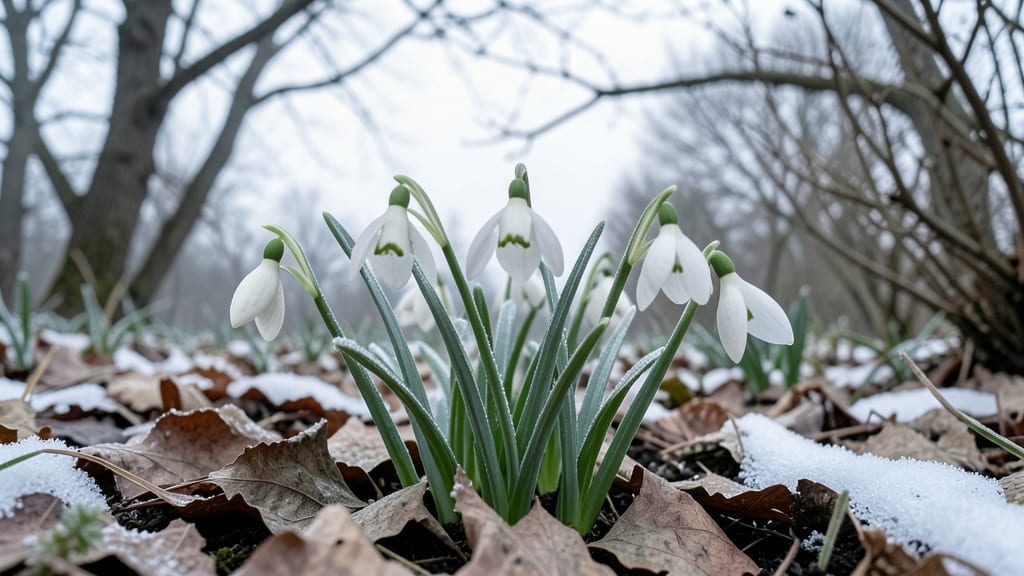
When your garden feels dormant under winter’s shadow, snowdrops arrive like a whisper of spring. These shade-loving bulbs bloom as early as late winter, often pushing through snow or leaf litter to reveal their delicate white flowers—proof that life persists even in the coldest months.
Unlike sun-loving bulbs, snowdrops thrive in moist, well-drained soil under trees or shrubs where other plants fear to tread. Plant them in clusters of 10–15 bulbs for a naturalized look, and they’ll multiply over time, creating a self-sustaining carpet of early blooms. Their hardiness makes them ideal for urban gardens, woodland edges, or containers in shaded patios.
Perfect for gardeners who crave beauty in overlooked spots, snowdrops bring quiet joy and symbolize resilience—just like the gardens that nurture them. 🌱
Fritillaria for Checkered Petal Patterns
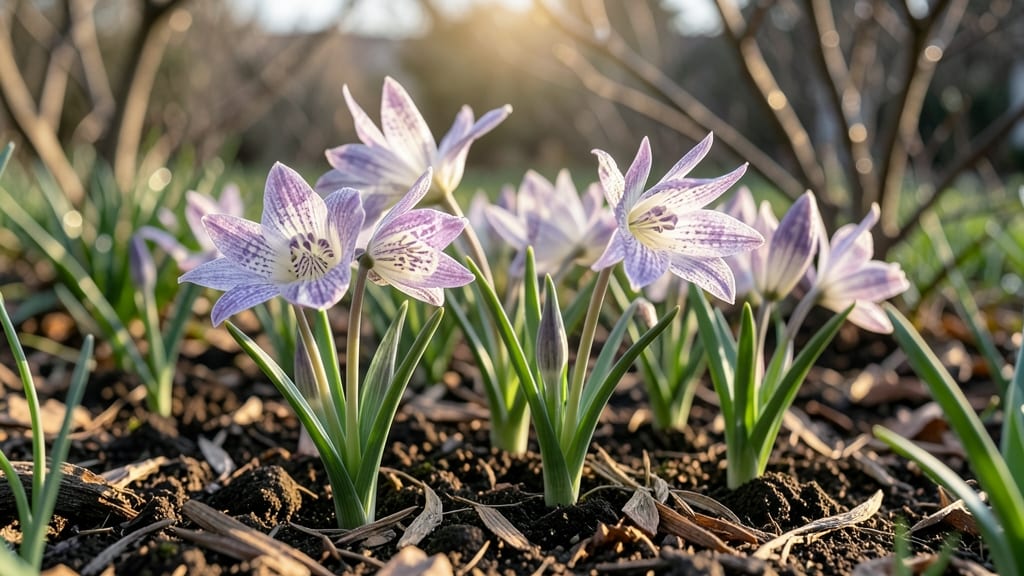
Transform your garden into a storybook scene with fritillaria bulbs, whose checkered petals resemble hand-painted lace. Unlike traditional bulbs, these exotic beauties—like the beloved Fritillaria meleagris—offer a whimsical, almost fairy-tale charm that’s impossible to resist.
Plant these bulbs in moist, well-drained soil during January for spring surprises. Their nodding blooms in shades of purple, white, and speckled patterns thrive in partial shade to full sun, making them ideal for woodland edges or cottage gardens. A single cluster creates a focal point that draws the eye and sparks conversations.
Perfect for gardeners who love unique textures and unexpected blooms, fritillaria bulbs reward patience with their dramatic, one-of-a-kind flowers. 🌷
Muscari for Graceful Dangling Flower Spikes
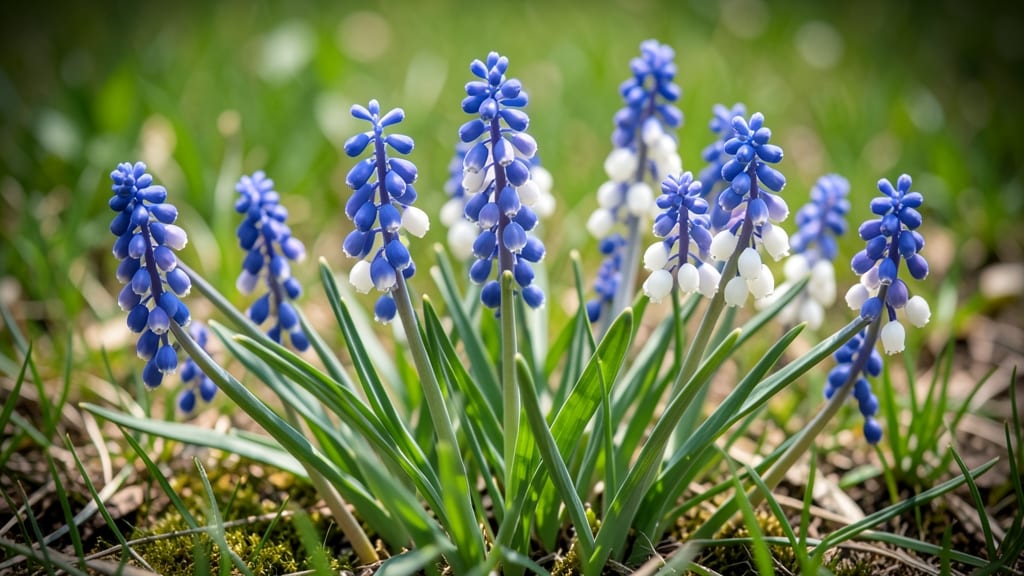
Looking for a bulb that adds texture and movement to your garden without demanding constant attention? Muscari, or grape hyacinths, deliver graceful, dangling flower spikes in shades of blue or white that sway in the breeze—perfect for filling empty spots or creating a wildflower meadow feel.
These hardy bulbs thrive in full sun to partial shade and naturalize effortlessly, spreading over time to form dense clusters. Plant them 4-6 inches deep in well-drained soil, and they’ll reward you with early spring blooms that last for weeks. Their low-maintenance nature makes them ideal for busy gardeners or those with rocky, dry soils.
Urban gardeners and cottage-style enthusiasts will love how muscari pairs beautifully with other early bloomers like crocus or alliums, creating a layered, whimsical look. Just a handful of bulbs can transform a dull corner into a charming spring spectacle. 🌻
Scilla for Delicate Blue Star Clusters
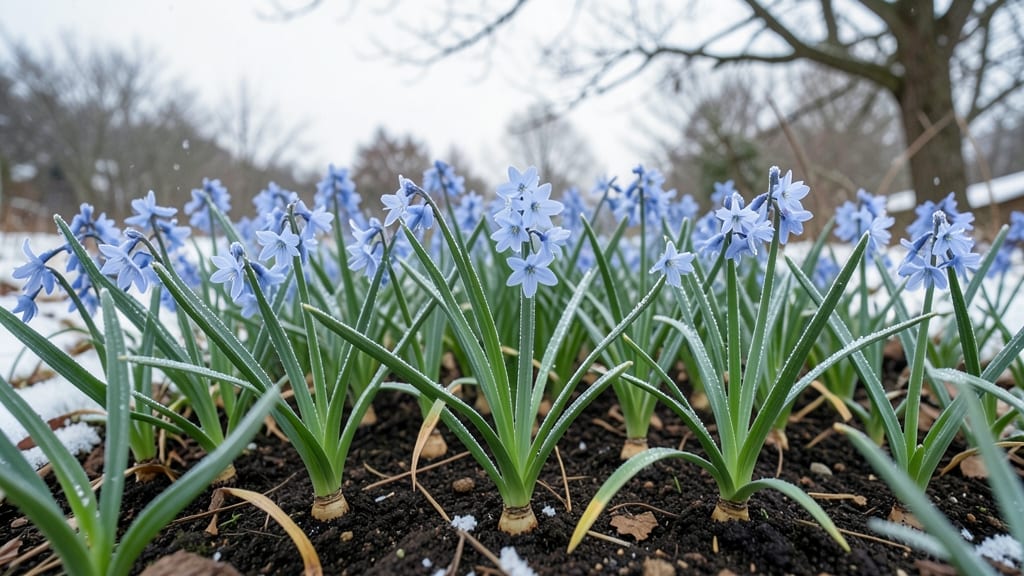
If you crave a whimsical touch of color before spring fully arrives, scilla (or squill) bulbs are your secret weapon. These underrated gems produce delicate clusters of tiny blue star-shaped flowers that carpet gardens with ethereal beauty—often blooming while snow still lingers.
Plant scilla in partial to full shade, where their low-growing habit (just 6–12 inches tall) makes them ideal for rock gardens, woodland edges, or as ground cover under trees. They thrive in moist, well-drained soil and multiply over time, creating naturalized drifts. For best results, plant bulbs 3–4 inches deep in fall or early winter—they’ll reward you with weeks of early spring magic.
Perfect for gardeners who love low-maintenance charm, scilla brings pollinators early in the season and pairs beautifully with snowdrops or hellebores. Add them to containers or borders for a fairy-tale effect that’s pure joy. ✨
Winter Aconite for Sunny Yellow Cheer

When winter feels endless, winter aconite (Eranthis hyemalis) delivers a burst of sunshine with its bright yellow blooms that push through snow and ice. These early risers bloom from late winter into early spring, making them a standout choice for gardeners craving color before most perennials emerge.
Plant winter aconite bulbs in full sun to partial shade, where they’ll thrive in well-drained soil. Their compact size (6-8 inches tall) makes them perfect for edging borders, woodland gardens, or even container plantings. Pair them with crocus or hellebores for a layered look that extends your season’s interest.
This cheerful bulb is ideal for gardeners with shady spots or those who want to brighten up early spring. Once established, they’ll naturalize and multiply, giving you years of effortless color. 🌻