
Planting
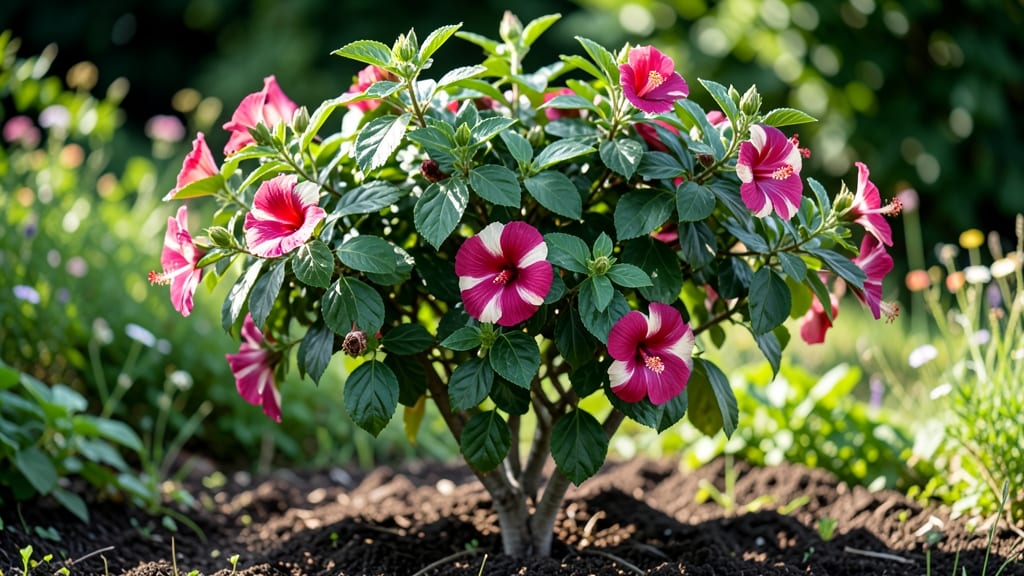
Growing Lord Baltimore hibiscus means year-round blooms even in colder climates—something I never thought possible until I planted mine. 🌿 This cold-hardy variety thrives where others freeze, rewarding you with lavender-pink flowers from early summer through frost.
The key lies in its adaptability: it handles heat waves, drought spells, and even light freezes without flinching.
Start by planting in well-draining soil with full sun exposure—at least 6 hours daily. Space plants 8-10 feet apart to allow airflow, which prevents fungal issues. Unlike tropical hibiscus, this variety doesn’t need rich soil; it’s happy in average garden dirt as long as it drains well.
Mulch around the base to retain moisture and protect roots during winter.
Water deeply once a week (more in extreme heat), but avoid soggy soil—this plant hates wet feet. Prune in late winter or early spring to shape the plant and encourage bushier growth.
Deadhead spent blooms to prolong flowering, and watch for Japanese beetles; a soapy water spray keeps them at bay without chemicals.
With minimal care, your Lord Baltimore hibiscus will become the showstopper of your garden, blooming longer than most annuals. The best part? It’s disease-resistant and deer-proof, making it a low-maintenance star for any landscape. Once established, it’s nearly impossible to kill—just give it space and sunlight.
📚 In This Guide
- What you need
- Instructions
- Tips and common mistakes
- Wrapping up and next steps
What you need
- ● Lord Baltimore Hibiscus Plant: 1 nursery-grown plant (3-5 gallons in size) or seeds (if starting from scratch). Look for healthy, disease-free specimens!
- ● Well-draining potting soil: 1 bag (10-15 lbs) of high-quality, organic potting mix (e.g., Miracle-Gro or FoxFarm Ocean Forest).
- ● Container or garden bed: For containers: 1 large pot (18"+ diameter) with drainage holes.
- ● For in-ground planting: A sunny spot with at least 6+ hours of sunlight daily.
- ● Fertilizer: 1 bottle of balanced, slow-release fertilizer (10-10-10 or similar) or organic options like fish emulsion.
- ● Mulch: 1 bag (2-3 cubic feet) of organic mulch (e.g., pine bark or shredded leaves) to retain moisture and regulate soil temp.
- ● Gloves: 1 pair of gardening gloves (to protect your hands from thorns and soil).
- ● Trowel or shovel: 1 medium-sized tool for digging and transplanting.
- ● Watering can or hose: With a gentle spray nozzle for even watering.
- ○ Pruning shears: 1 pair for shaping and maintaining the plant (optional but helpful!).
- ○ pH testing kit (optional): To ensure soil pH is between 5.5-6.5 (ideal for hibiscus).
Step-by-step instructions for planting and caring for Lord Baltimore hibiscus
Here's how to establish this cold-hardy beauty for year-round blooms—my foolproof method for thriving hibiscus.
🪴 Step 1: Choose the Perfect Planting Location
Lord Baltimore hibiscus thrives in full sun—at least 6-8 hours daily. I always pick a spot with morning sun and afternoon shade in hotter climates, as the leaves burn easily after 90°F. The plant handles USDA Zones 5-9, so even northern gardeners can enjoy it outdoors.
Test your spot by observing how other plants grow there. If nearby shrubs show signs of stress (yellowing, stunted growth), move to a sunnier location. The soil should drain well but retain moisture—amend heavy clay with 2-3 inches of compost before planting.
🌱 Step 2: Plant at the Right Depth and Spacing
Dig a hole twice as wide as the root ball but no deeper—Lord Baltimore hibiscus roots spread horizontally, not downward. Gently loosen the roots if they're circling the pot before placing it in the hole. The top of the root ball should sit 1 inch above ground level to prevent rot.
Space plants 6-8 feet apart for mature size. Crowding invites disease and weakens blooms. Backfill with native soil mixed with 1 part compost to improve fertility. Water deeply to settle the soil and eliminate air pockets around the roots.
☀️ Step 3: Water Deeply and Mulch for Retention
Water immediately after planting, then every 2-3 days until established (about 6 weeks). You'll know it's time when the top 2 inches of soil feel dry. Overwatering causes root rot—this plant prefers moisture but not soggy conditions.
Apply 3-4 inches of mulch around the base, keeping it 6 inches away from the stem to prevent rot. I use shredded bark or pine straw—both retain moisture while allowing air circulation. Replenish mulch annually to maintain protection.
✂️ Step 4: Prune Strategically for Year-Round Blooms
Prune in early spring before new growth appears. Remove dead or crossing branches first, then cut back last year's growth by one-third to encourage bushier growth. Never prune into old wood—Lord Baltimore blooms on new growth.
Deadhead spent blooms regularly to redirect energy into new flowers. I snip just above a leaf node with clean pruners. In colder zones (Zone 5), wrap the base with burlap after the first frost to protect roots from freezing.
🌿 Step 5: Fertilize for Vibrant, Continuous Blooms
Feed with a balanced 10-10-10 fertilizer in early spring and again in mid-summer. Use ½ pound per 100 square feet—more causes leafy growth at the expense of flowers. Water thoroughly after applying to prevent root burn.
For organic gardeners, I blend 1 cup composted manure and 1 tablespoon bone meal into the soil annually. The key is consistency—Lord Baltimore responds best to steady nutrition rather than heavy doses sporadically.
Tips & tricks for perfect Lord Baltimore hibiscus planting
Between us, these little details make all the difference between a struggling hibiscus and one that thrives year after year. Here's what nobody tells you about growing this beauty right.
Sunlight Strategy: While the instructions mention 6-8 hours of sun, I've found that in hotter climates, the afternoon sun after 2 PM can scorch those gorgeous leaves. Here's the trick: plant your Lord Baltimore where it gets morning sun and dappled afternoon shade—think under a large tree with an open canopy. This protects the foliage while still giving it the light it craves for those stunning blooms.
Root Ball Revelation: That 1-inch above ground level placement isn't just about rot prevention—it's about airflow. When you plant, make sure the root ball sits slightly proud of the soil to prevent water pooling against the stem. I've seen too many gardeners bury it too deep, and within weeks, you get that dreaded fungal rot at the base. Trust me on this: a little elevation goes a long way.
Pruning Precision: The one-third cutback in Step 4 is crucial, but timing matters just as much. I prune mine on a cloudy day or right after a rain shower—this prevents the fresh cuts from drying out too quickly. Also, always use clean, sharp pruners. Dull blades crush stems, inviting disease. And here's a pro move: after pruning, give the plant a light feeding with a diluted fish emulsion. It helps kickstart that new growth we're encouraging.
Fertilizer Finesse: That ½ pound of 10-10-10 per 100 square feet is perfect, but application timing is everything. I split my mid-summer feeding into two applications—once in early July and again in early August. This two-step approach prevents that sudden flush of leafy growth that can come at the expense of blooms. And for organic gardeners, that composted manure and bone meal combo? Mix it into the soil in late winter before the first signs of new growth appear.
Pro Tips for Lord Baltimore Hibiscus Plant
- Between us, these little details make all the difference between a struggling hibiscus and one that thrives year after year.
- Sunlight Strategy: While the instructions mention 6-8 hours of sun, I've found that in hotter climates, the afternoon sun after 2 PM can scorch those gorgeous leaves.
- Root Ball Revelation: That 1-inch above ground level placement isn't just about rot prevention—it's about airflow.
Frequently asked questions
Is the Lord Baltimore hibiscus truly cold-hardy?
The Lord Baltimore is one of the hardiest hibiscus varieties, surviving USDA zones 5-9 with proper care. While it tolerates light frosts (down to 15°F), young plants or severe winters may need mulching or winter protection like burlap wraps. Pro tip: Prune back dead foliage in early spring to encourage vigorous regrowth!
How long does it take for Lord Baltimore hibiscus to bloom?
With ideal conditions (full sun, consistent moisture), this hibiscus can bloom as early as 6-8 weeks after planting in spring. However, established plants may produce flowers year-round in mild climates, with peak blooming from late spring to fall. Patience pays off—some gardeners report first flowers within 3-4 months!
Can I grow Lord Baltimore hibiscus in containers?
This variety thrives in containers, making it perfect for patios, balconies, or small gardens. Use a 15-20 gallon pot with drainage holes and a well-draining potting mix. Move containers indoors (or to a sheltered spot) if temperatures drop below 20°F. Bonus: Container-grown plants often bloom more prolifically due to controlled conditions!
What pests should I watch for with Lord Baltimore hibiscus?
Common pests include aphids, spider mites, and whiteflies, which can stress the plant. Treat mild infestations with a strong spray of water or insecticidal soap. For severe cases, neem oil works wonders. Preventative tip: Ensure good airflow and avoid overwatering to deter pests!
Why aren’t my Lord Baltimore hibiscus flowers lasting long?
Short-lived blooms often signal overwatering, poor drainage, or nutrient deficiencies. Hibiscus flowers drop quickly when stressed. Ensure the soil drains well, water deeply but infrequently, and fertilize with a balanced, hibiscus-specific formula every 4-6 weeks during the growing season. Fix: Deadhead spent blooms to encourage new flowers!
Wrapping up and next steps
The Lord Baltimore hibiscus is a standout choice for gardeners seeking a cold-hardy, year-round bloomer that thrives with minimal fuss. Its vibrant flowers and resilience make it a true gem for both beginners and seasoned plant enthusiasts—perfect for adding color and life to your outdoor space.
Ready to bring this beauty into your garden? Start by gathering your supplies, choosing the right location, and following the simple steps to plant and care for it. Your hibiscus haven awaits! 🌸