
Planting
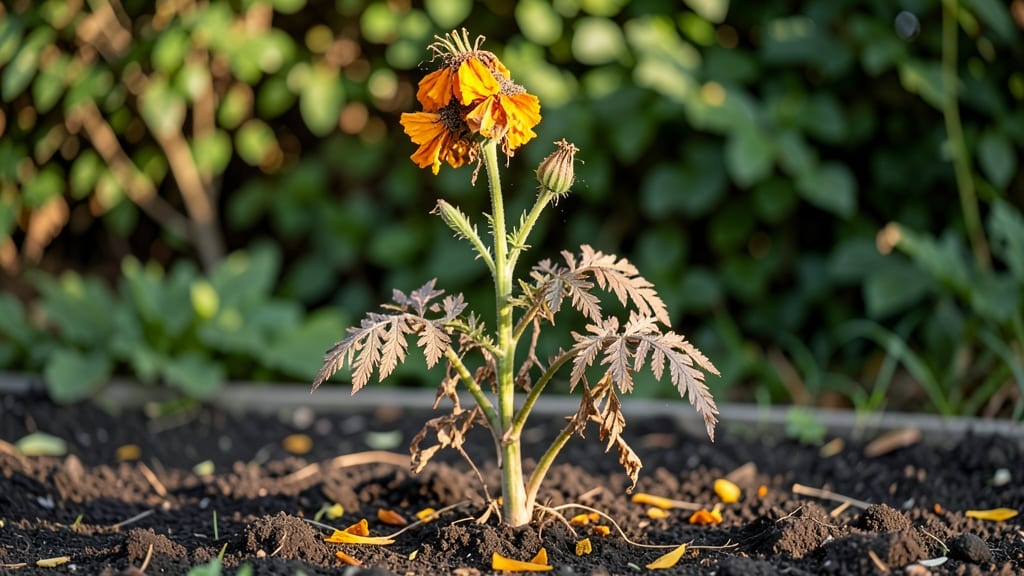
Your annual plant def is likely simpler than you think—and it’s usually not pests or disease. 🌿 The problem isn’t always what you assume; often, it’s simple care mistakes that turn vibrant petunias into sad, droopy stems.
I’ve lost entire beds to overwatering, poor soil, or just plain neglect, but the fix is easier than you’d expect.
Think of annuals like high-energy kids—they need the right conditions to thrive, not just survival. Too much water drowns roots, too little wilts them fast, and the wrong soil starves them.
Even a single misstep can send marigolds or zinnias into a downward spiral. The good news? Most issues have quick fixes once you spot the signs.
You’ll learn to diagnose wilting, yellowing, or stunted growth in minutes, then take action—whether it’s adjusting water, amending soil, or introducing natural pest control. Within weeks, your annuals will bounce back with bold color and fast growth, outshining every neighbor’s garden.
Works for any annual—from heat-loving zinnias to shade-tolerant impatiens. Let’s get those plants back on track before the season slips away.
📚 In This Guide
- What you need
- Instructions
- Tips and common mistakes
- Wrapping up and next steps
What you need
- ● Annual plant seeds or seedlings: Choose fast-growing varieties like marigolds, sunflowers, or zinnias (50–100 plants, depending on space).
- ● High-quality potting mix: 10–20 bags (sterile, well-draining blend for containers or garden beds).
- ● Containers or garden beds: Containers: 5–10 gallon pots (with drainage holes) or raised beds.
- ● Garden beds: At least 4’x8’ of prepared soil per section.
- ● Fertilizer: Slow-release granular (10–20 lb bag) or liquid (1–2 gallons) for consistent nutrition.
- ● Watering can or hose with nozzle: 3–5 gallons capacity for efficient watering.
- ● Pruning shears: Sharp, clean pair for trimming and harvesting.
- ● Gloves: Durable gardening gloves to protect hands.
- ● Mulch: Organic mulch (straw or shredded bark) to retain moisture (1–2 bags).
- ● Grow lights: LED lights for indoor seedlings or extended daylight.
- ● Soil pH test kit: To ensure optimal growing conditions (6.0–7.0 for most annuals).
- ● Plant supports: Stakes or cages for taller varieties like sunflowers.
- ● Compost: For enriching soil naturally (1–2 bags).
- ● Plant markers: Labels to track varieties and planting dates.
How to care for annual plants for rapid growth
Fast-growing annuals reward you with quick color and texture—here's how to keep them thriving all year.
🌱 Step 1: Choose the Right Varieties for Your Climate
Annuals like marigolds, zinnias, and cosmos grow aggressively in the right conditions. I always pick heat-tolerant varieties for summer and cooler-season types like pansies for spring/fall. Check your USDA hardiness zone to match plants with your average last frost date—planting too early leads to frost damage.
Look for tags labeled "fast-growing" or "early blooming" at nurseries. These varieties develop roots quickly and flower in 6-8 weeks instead of 10-12. You'll see the difference when your neighbors' plants are just leafing out while yours burst into color.
☀️ Step 2: Provide Optimal Light and Soil Conditions
Most annuals need 6-8 hours of direct sun daily for maximum growth. I place mine where they get morning sun and afternoon shade in hot climates—this prevents leaf scorch. If your garden has shady spots, choose shade-tolerant annuals like impatiens or fuchsias instead.
Amend your soil with 2-3 inches of compost before planting. Annuals grow fast and need nutrients constantly. You'll notice leaves stay vibrant and stems remain sturdy when the soil is rich. Test your soil pH—most annuals prefer 6.0-7.0. If yours is too acidic, add lime; if too alkaline, work in sulfur.
💧 Step 3: Water Deeply and Consistently
Annuals hate dry soil—water 1 inch per week during active growth, more in extreme heat. I water in the morning so leaves dry quickly, preventing fungal diseases. Use drip irrigation or soaker hoses to deliver water directly to roots instead of overhead sprinklers.
Check moisture by sticking your finger 1 inch into soil. If it feels dry, water thoroughly until moisture reaches 6 inches deep. You'll see wilting leaves recover within hours when watered properly. Mulch with 2-3 inches of organic material to retain moisture and suppress weeds.
✂️ Step 4: Fertilize and Prune for Continuous Blooms
Feed annuals with a balanced liquid fertilizer (10-10-10) every 2-3 weeks during the growing season. I mix it at half-strength to avoid burning tender roots. You'll notice faster flower production and lusher foliage when plants get regular nutrients.
Deadhead spent blooms immediately to encourage more flowers. Pinch back leggy stems to promote bushier growth. For annuals like zinnias, I cut back stems by one-third after the first flush of blooms—this triggers new side shoots and keeps plants compact and productive.
🌿 Step 5: Monitor for Pests and Diseases
Inspect plants weekly for aphids, spider mites, or whiteflies. I spray affected areas with neem oil at the first sign of trouble—it's organic and safe for bees. Remove any yellowing or spotted leaves immediately to prevent spread.
Prevent fungal issues by avoiding overhead watering and ensuring good air circulation. If you see powdery mildew, treat with baking soda spray (1 teaspoon baking soda + 1 quart water + a drop of dish soap). Most annuals bounce back quickly when cared for properly—don't let minor problems become major setbacks.
Tips & tricks for year-round annual plant success
Between us, these little details make the difference between plants that just survive and ones that explode with color. Fast growth isn't magic—it's method.
Climate Matching: Your USDA hardiness zone isn't just a number—it's your plant's GPS. I always cross-reference my zone with the plant's tag to avoid spring surprises. For example, marigolds in zone 7 thrive when planted after the average last frost date, but pansies can handle cooler springs. Check your local weather service for that exact date—it's usually 3-4 weeks before your typical last frost.
Sunlight Secret: That 6-8 hours of direct sun isn't a suggestion—it's non-negotiable for most annuals. I test spots by placing a white plate where I plan to plant. If it's sunny for 6+ hours, it's perfect. For afternoon shade lovers, I move plants to the east side of containers or beds where morning sun warms them gently without scorching. Remember, too much shade = leggy stems and sparse blooms.
Watering Wisdom: The 1-inch weekly rule works, but here's what nobody tells you—morning watering is non-negotiable. I set a timer for 7 AM so leaves dry completely by evening. This prevents fungal diseases that turn leaves yellow overnight. And that 6-inch deep moisture? Use a screwdriver to check—if it comes out dry, water again. Your plants will drink deeply when the top inch is dry, not when it's soggy.
Fertilizer Frequency: That 10-10-10 fertilizer at half-strength is your growth multiplier. I mix it in a watering can and apply it every 2-3 weeks—but here's the trick: alternate with a fish emulsion every 6 weeks. The fish adds micronutrients that regular fertilizers miss, and you'll see it in the vibrant green leaves and bigger blooms. Just don't overdo it—yellow leaves mean you've burned their roots.
Pro Tips for Annual Plant Def
- Between us, these little details make the difference between plants that just survive and ones that explode with color.
- Climate Matching: Your USDA hardiness zone isn't just a number—it's your plant's GPS.
- Sunlight Secret: That 6-8 hours of direct sun isn't a suggestion—it's non-negotiable for most annuals.
Frequently asked questions
Got questions about keeping your annual plants thriving all year? Here are some of the most common ones—plus quick, actionable answers to keep your garden annual plant def-free!
What causes annual plants to decline mid-season, and how can I prevent it?
Annual plants often suffer from annual plant def due to overwatering, nutrient depletion, or pests. To prevent it, water deeply but less frequently (aim for 1 inch per week), use a slow-release fertilizer every 4-6 weeks, and inspect leaves regularly for signs of aphids or spider mites. Rotating crops yearly also helps replenish soil nutrients.
Can I extend the blooming season of annuals to avoid early decline?
Yes! Deadhead spent blooms (snip off faded flowers) to encourage new growth. Choose heat-tolerant varieties like zinnias or marigolds for summer, and opt for cool-season plants like pansies or snapdragons in fall. Mulching with straw or bark also preserves moisture and regulates soil temperature, delaying annual plant def.
What are the best alternatives to traditional annuals for low-maintenance gardens?
Try self-seeding annuals like cosmos or sweet alyssum—they regrow easily, reducing replanting work. Succulents (e.g., sedum) or drought-tolerant perennials like lavender also thrive with minimal care. For containers, choose trailing plants like petunias or nasturtiums; they’re resilient and hide soil moisture issues better than some upright varieties.
How do I revive a wilting annual plant showing signs of annual plant def?
Start by checking the soil—if it’s bone-dry, water thoroughly. If soggy, let it dry out and improve drainage with perlite or sand. Trim yellowed leaves and fertilize lightly with a balanced 10-10-10 mix. Move the plant to partial shade if it’s in direct sun stress, and monitor for pests. Often, a little TLC is all it takes!
Is it normal for annuals to slow down in extreme heat or cold?
Annuals often go dormant or slow growth in temps above 90°F or below 50°F. To help them cope, provide afternoon shade in summer and mulch heavily in winter. Choose heat-resistant varieties (like vinca or lantana) for hot climates, or cold-hardy options (like stock or calendula) for cooler zones. Adjust watering—more in heat, less in cold—to prevent shock.
Wrapping up and next steps
Mastering the care of annual plant def doesn’t have to be overwhelming—with the right tools, knowledge, and a little patience, you’ll be rewarded with lush, thriving plants year-round! 🌱 Whether you’re troubleshooting nutrient deficiencies, optimizing light exposure, or refining your watering routine, each step brings you closer to a vibrant garden. Start small: pick one plant to experiment with this week, and let your confidence grow alongside them.
Ready to take the next step? Grab your gardening journal—track progress, adjust techniques, and celebrate every green victory! 🎉 For deeper dives, explore soil testing kits or connect with local gardening groups for shared tips. Your green thumb is closer than you think!