
Planting
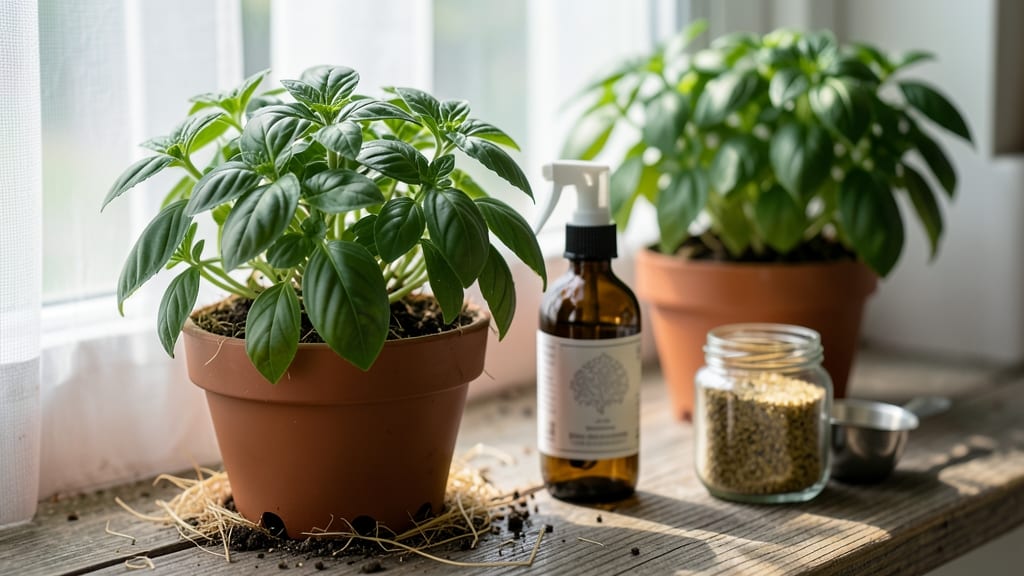
Fungal blight can turn your thriving plants into sad, wilted messes in days—unless you act fast. 🌱 I’ve saved countless pots by using simple antifungal soil treatments that stop the spread within 24 hours, even on stubborn root rot or powdery mildew.
The key? A mix of prevention, quick fixes, and soil health boosts that work for both organic and conventional gardeners.
Most fungal problems start with damp soil or poor airflow—common mistakes even experienced gardeners make. My go-to fix? A neem oil spray (1 tsp per quart of water) or a baking soda rinse (1 tbsp per gallon) for above-ground issues, while compost tea or mycorrhizal fungi strengthen roots against rot.
These aren’t just band-aids; they rebuild soil resilience so your plants stay healthy long-term.
You’ll see results fast: leaves stop yellowing, roots stop rotting, and new growth emerges within 3–7 days of treatment. The best part? These methods work for houseplants, container gardens, and even in-ground beds—no fancy equipment needed. Just mix, apply, and watch your soil fight back.
For chemical options, I’ll cover fungicides later—but first, let’s focus on the natural, budget-friendly fixes that work even for beginners. No more losing plants to mystery diseases—just healthy soil and happy roots.
Root Causes of Soil Fungi
Fungal infections in plant soil aren’t random—they thrive due to specific conditions that create the perfect environment for spores to germinate and spread. Understanding these triggers helps you take preventive action before problems escalate. Here’s why fungi take over your soil and how to recognize the signs early.
Fungi love moisture—too much of it turns your soil into a fungal buffet. When soil stays soggy for extended periods, it creates anaerobic conditions (low oxygen), which weakens plant roots and invites pathogens like Phytophthora or Pythium. These fungi thrive in waterlogged zones because:
- 💧 Excess water dissolves beneficial soil microbes, leaving fungi as the dominant organism.
- 🌡️ Cool, damp soil (below 60°F/15°C) slows microbial activity, giving fungi a competitive edge.
- 🔄 Poor drainage traps moisture near roots, creating a fungal hotspot.
Actionable fix: Test your soil’s drainage—if water pools after 6 hours, amend with perlite or compost to improve aeration. Pro tip: 💡 Use raised beds or containers for plants prone to root rot (e.g., tomatoes, peppers).
Most fungi prefer slightly acidic to neutral soil (pH 5.5–7.0), but extreme pH swings—whether too acidic (<5.0) or alkaline (>8.0)—disrupt the microbial balance. Here’s how pH affects fungi:
| pH Level | Fungal Risk | Why It Happens |
|---|---|---|
| pH < 5.0 (Very Acidic) | ⚠️ High (e.g., Armillaria root rot) | Acidic soil dissolves beneficial bacteria and fungi, leaving harmful pathogens unchecked. |
| pH 5.5–7.0 (Ideal) | ✅ Balanced (competition between microbes) | Beneficial microbes (e.g., Trichoderma) outcompete pathogens. |
| pH > 7.5 (Alkaline) | ⚠️ Moderate (e.g., Fusarium wilt) | Alkaline soil locks out nutrients like phosphorus, stressing plants and making them fungus-susceptible. |
Actionable fix: Test your soil’s pH with a kit (aim for 6.0–7.0 for most plants). Adjust with:
- 🔹 Lime (to raise pH)
- 🔹 Sulfur or pine needles (to lower pH)
- 🔹 Compost (buffers pH naturally)
Leaves, dead plants, and mulch aren’t just nutrients—they’re fungal incubators. When organic matter decomposes too slowly, it creates a damp, shaded microclimate perfect for:
- 🍂 Saprophytic fungi (e.g., Rhizoctonia) that feed on decaying material and infect living roots.
- 🕷️ Fungal spores hitchhiking on mulch or compost from infected plants.
- 🔥 Heat and moisture traps under thick mulch layers (ideal for powdery mildew).
Actionable fix: Remove old mulch and debris before planting. Use coarse mulch (e.g., wood chips) sparingly—keep it 2–3 inches away from stems to improve airflow. Pro tip: 🌡️ Sterilize compost by baking it at 140°F (60°C) for 30 minutes to kill spores.
Stressed plants are fungi magnets. When plants lack nutrients, light, or water, their defenses weaken, making them easy targets. Common stressors include:
- ⚡ Nutrient deficiencies (e.g., low nitrogen or phosphorus) stunt root growth, leaving gaps for fungi to invade.
- ☀️ Overcrowding reduces airflow, increasing humidity near foliage (ideal for leaf spot diseases).
- 🌱 Transplant shock disrupts root-microbe relationships, making roots vulnerable to root-knot nematodes and fungi.
Actionable fix: Strengthen plants proactively with:
- 🔹 Balanced fertilizer (10-10-10 NPK ratio)
- 🔹 Mycorrhizal fungi (beneficial soil fungi that boost root health)
- 🔹 Pruning for airflow (remove yellow/damaged leaves immediately)
Fungi are opportunistic—they exploit sudden changes in temperature and humidity to spread. Key triggers:
- 🌡️ Cool nights + warm days create condensation on leaves, fueling downy mildew.
- 💧 High humidity (>75%) for >24 hours encourages powdery mildew and Botrytis.
- ❄️ Frost damage weakens plant cell walls, making them easier for fungi to penetrate.
Actionable fix: Monitor weather forecasts and:
- 🔹 Water in the morning to let foliage dry before nightfall.
- 🔹 Use shade cloth in hot climates to reduce stress.
- 🔹 Avoid overhead watering—use drip irrigation instead.
Quick Fixes for Fungal Soil Problems
Fungal infections in plant soil can feel like a silent enemy—until your greens start wilting or mold creeps in. The good news? Most issues have simple, fast solutions that don’t require a degree in mycology.
Below, we’ll map common causes to practical fixes, plus prevention tips to keep your soil healthy long-term.
---
Cause: Overwatering or poor drainage creates a damp, fungus-friendly environment. Fix: - 🔥 Pull back on watering—let the top 1–2 inches of soil dry out between waterings. - ⏰ Improve drainage by adding perlite, vermiculite, or coarse sand (10–20% of soil volume). - 👨🍳 Use a fan for 10–15 minutes daily to speed up evaporation in humid climates.
Prevention Tip: 💡 Test your soil’s moisture with a finger—if it’s damp past 1 inch, hold off on watering.
---
Cause: Extreme temps (too hot or too cold) weaken plants, making them vulnerable to fungi. Fix: - 🥘 For heat stress: Move potted plants to partial shade and mulch with straw to regulate temps. - ❄️ For cold stress: Use row covers or a cloche to protect roots from frost. - 🌡️ Ideal soil temp: Most plants thrive in 60–75°F (15–24°C)—use a soil thermometer to check.
Prevention Tip: ✨ Avoid watering late in the day—wet leaves + evening chill = fungal buffet.
---
Cause: Dense, nutrient-poor soil traps moisture and lacks beneficial microbes. Fix: - 🔪 Loosen compacted soil with a fork or garden aerator (gently!) to improve airflow. - 🍎 Mix in compost or aged manure (20–30%) to boost microbial activity. - 🌱 Add worm castings (1 cup per gallon of soil) for natural antifungal properties.
Prevention Tip: 💪 Rotate crops annually to prevent soil depletion and fungal buildup.
---
Cause: Overuse of synthetic fertilizers or pesticides disrupts soil balance. Fix: - 💦 Leach the soil by watering deeply for 3–5 days to rinse out salts/chemicals. - 🌿 Switch to organic amendments like neem cake or compost tea (1 tbsp per gallon of water). - 🚫 Avoid fungicides long-term—they kill both bad and good microbes.
Prevention Tip: 🎯 Test soil pH (ideal: 6.0–7.0 for most plants)—extremes invite fungi.
--- Cause: Insects (like slugs or grubs) damage roots, creating entry points for fungi. Fix: - 🍳 Set up beer traps (bury a cup filled with beer—slugs drown in it overnight). - 🔪 Handpick pests early in the morning (wear gloves!). - 🌱 Plant companion plants like marigolds or garlic to repel pests naturally.
Prevention Tip: 🔥 Inspect new plants before transplanting—quarantine them for 2 weeks.
--- If fungi persist, targeted treatments can save your soil: - 🍋 Vinegar spray (1:1 ratio with water) for surface mold—test on a small area first! - 🌿 Hydrogen peroxide (3% solution, 1 tbsp per gallon of water) to sterilize soil. - 🧂 Baking soda (1 tsp + 1 quart water + few drops of soap) for foliar fungal spots.
⚠️ Warning: Avoid bleach or harsh chemicals—they harm soil life!
--- Once your plants recover, keep fungi at bay with these easy routines: - 💧 Water at the base (never overhead) to avoid wetting leaves. - 🍂 Mulch with straw or wood chips (2–3 inches) to block spore splash. - 🔄 Rotate crops and plant fungal-resistant varieties (e.g., basil over tomatoes). - 🧪 Monitor soil pH annually—aim for 6.0–7.0 for most veggies.
--- Remember: Fungal issues often start small—act fast, but don’t overreact. A little prevention goes a long way! 🌱
Frequently asked questions
How often should I apply antifungal treatments to my plant soil?
For prevention, apply natural antifungals like neem oil or compost tea every 4-6 weeks during growing season. If treating an active infection, use stronger solutions (like hydrogen peroxide) weekly until symptoms disappear, then switch to monthly maintenance. Always follow label instructions for chemical fungicides.
Can I mix antifungal treatments with fertilizer?
Yes, but with caution! Organic options like compost tea or baking soda mix well with balanced fertilizers. However, avoid combining chemical fungicides with synthetic fertilizers—this can create toxic reactions. For safety, apply antifungals in the morning and fertilizers in the evening to prevent root burn.
What's the best antifungal for seedlings vs. mature plants?
Seedlings need gentle solutions like 1 tsp baking soda per gallon of water or diluted neem oil (1 tsp per quart) to avoid stress. Mature plants can handle stronger treatments: hydrogen peroxide (1 tbsp per gallon) or copper fungicides for severe infections. Always reduce concentrations by half for delicate seedlings.
Will antifungal soil treatments harm beneficial microbes?
Most natural options (compost tea, mycorrhizal fungi) actually enhance beneficial microbes. Chemical fungicides may disrupt soil life temporarily, but organic treatments like garlic spray or vinegar solutions are safer. For maximum safety, apply treatments in the morning when soil microbes are most active and avoid overusing strong chemicals.
How do I know if my soil antifungal treatment worked?
Look for these signs: new root growth, fewer yellow leaves, and no mold on soil surface. For above-ground fungi (like powdery mildew), check for reduced white spots within 3-5 days. If symptoms persist after 2 weeks, you may need a stronger treatment or to address underlying issues like poor drainage.