
Planting
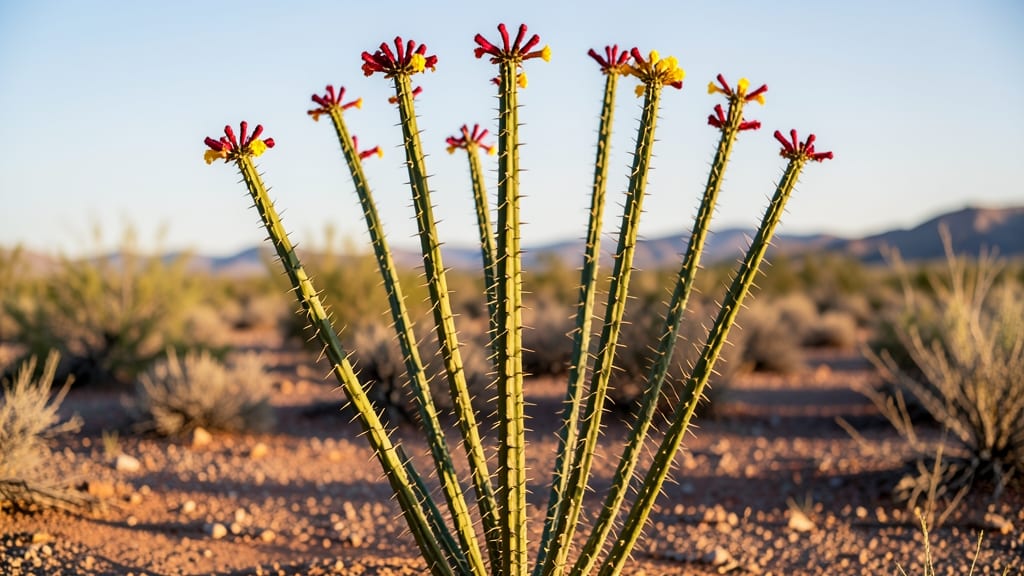
Growing Arizona ocotillo (Fouquieria splendens) means bringing desert drama to your landscape—those striking red stems and sharp spikes thrive where most plants struggle. 🌵 I’ve watched mine stand tall through 110-degree summers with barely a sip of water, its dramatic form becoming the centerpiece of my desert garden.
The key? Mimicking its natural Sonoran habitat with minimal fuss, because this plant isn’t just drought-tolerant—it’s built to dominate arid conditions.
Ocotillo demands full sun and well-draining soil, but don’t overthink the mix—it grows wild in rocky, nutrient-poor desert floors. Plant in spring after last frost, spacing them 6-10 feet apart to let those dramatic stems stretch skyward without crowding.
Water deeply once a month after establishment, then let nature take over—this isn’t a plant that needs coddling. The real magic happens when it blooms, with vibrant red flowers that hummingbirds adore.
What you’ll end up with is a striking vertical accent that adds texture and movement to any desert landscape. The spikes deter pests naturally, and its deep roots improve soil structure over time.
Even in heatwaves, ocotillo stays lush and green, proving that beauty and resilience go hand in hand. For those in Arizona’s harsh climate, this is the ultimate low-maintenance statement plant.
Propagation is easy—simply cut healthy stems in late winter and root them in dry soil. Just be prepared for the occasional sharp surprise when reaching for it! Whether you’re landscaping a new desert home or adding drama to an existing garden, ocotillo delivers year-round interest with almost no effort.
Here’s how to make it thrive in your yard.
📚 In This Guide
- What you need
- Instructions
- Tips and common mistakes
- Wrapping up and next steps
What you need
- ● 1-2 Arizona ocotillo plants – Choose healthy, established plants (3-5 feet tall) from a reputable nursery. Pro tip: 💡 Look for plants with vibrant green leaves and no signs of pests!
- ● Well-draining cactus/succulent soil mix – 5 gallons (or enough to fill your planting area). Mix 50% potting soil, 30% coarse sand, and 20% perlite or pumice for optimal drainage.
- ● Planting container or in-ground hole – Container option: 1 large pot (12+ inches deep) with drainage holes. Pro tip: 🌡️ Terracotta pots work best—they wick away excess moisture!
- ● In-ground option: Dig a hole twice as wide and as deep as the plant’s root ball.
- ● Gravel or small rocks – 1-2 gallons for the bottom layer of the planting hole or container (to prevent root rot).
- ● Slow-release fertilizer – 1 scoop (per plant) of a balanced 10-10-10 or cactus-specific fertilizer.
- ● Watering can or hose with a gentle spray nozzle – Avoid overwatering!
- ● Pruning shears or bypass pruners – For shaping or removing dead spikes (sterilize with rubbing alcohol first!).
- ● Mulch (gravel or decomposed granite) – Spread a 1-inch layer around the base (but avoid piling it against the trunk).
- ● Desert-friendly companion plants – Pair with agave, yucca, or palo verde for a stunning native garden.
- ● Plant support stake (bamboo or metal) – Useful for young plants in windy areas.
- ● Soil moisture meter – Helps monitor water levels in containers.
Step-by-step guide to growing Arizona ocotillo plants
Here’s how to cultivate this striking desert beauty with minimal fuss.
🌱 Step 1: Select the Right Location and Soil
Ocotillo thrives in full sun, needing at least 6-8 hours daily. In Arizona, a south-facing spot with rocky or sandy soil mimics its natural habitat. Amend heavy clay with coarse sand or gravel to improve drainage—ocotillo roots despise soggy conditions.
If planting in containers, choose large pots (at least 12 inches deep) with drainage holes. The roots spread wide, so a shallow but wide container works better than a deep one. I always add a 2-inch layer of gravel at the bottom to prevent compaction and encourage root spread.
☀️ Step 2: Plant at the Correct Depth and Spacing
Dig a hole twice as wide as the root ball but only as deep as the container it came in. Ocotillo has a taproot, so disturbing it too much can stunt growth. Place the plant so the top of the root ball sits just below soil level—burying too deep suffocates the stem.
Space plants 6-10 feet apart—they grow tall and spiky, and crowding leads to weak stems. In desert landscapes, I often group them in clusters of 3-5 plants for a dramatic, natural look. Water deeply right after planting to settle the soil around the roots.
💧 Step 3: Water Deeply but Infrequently
Ocotillo is drought-tolerant once established, but young plants need deep watering every 2-3 weeks during the first year. Soak the soil until water runs out the drainage holes—this encourages deep root growth. After that, water only when the top 6 inches of soil feel completely dry.
Overwatering is the #1 killer of ocotillo. I check moisture by sticking my finger 4 inches down—if it’s damp, wait. Once established, ocotillo can survive on rainwater alone in Arizona’s climate. Mulch with gravel or small rocks (not organic mulch) to retain moisture and deter weeds.
✂️ Step 4: Prune for Shape and Health
Prune ocotillo after flowering (late spring) to shape the plant and remove dead or damaged stems. Use clean, sharp pruners to cut just above a leaf node—this encourages new growth. Never prune more than one-third of the plant at once, or it may struggle to recover.
I always leave some spent flower stalks for winter interest—they turn brown but add texture. If a stem dies back completely, it won’t regrow, so prune selectively. Avoid heavy pruning in fall, as new growth won’t harden off before winter.
🪴 Step 5: Protect in Winter (If Needed)
Arizona’s mild winters usually spare ocotillo, but young plants or those in microclimates with frost need protection. Wrap the base with burlap or frost cloth if temperatures dip below 25°F. The plant can handle light freezes, but repeated cold snaps may kill it back to the ground.
If the stems die back, don’t panic—the roots are tough. New shoots will sprout from the base in spring. I’ve seen ocotillo bounce back even after being cut to the ground, proving its resilience. Just avoid pruning in late fall, as regrowth won’t survive winter.
Tips & tricks for growing ocotillo plants
These simple strategies will help your ocotillo thrive with minimal effort—once you know the secrets.
Sunlight Strategy: While ocotillo loves full sun, don't place it in direct afternoon sun during Arizona's hottest months (June-August). Instead, position it where it gets morning sun and afternoon shade—this prevents leaf scorch while still giving it the 6-8 hours of sunlight it needs. I've seen plants crisp up after just two weeks of unfiltered afternoon heat.
Soil Science: The 2-inch gravel layer at the bottom of containers isn't just for drainage—it mimics the natural rocky soil ocotillo grows in. This prevents compaction and encourages those deep roots that make ocotillo so drought-resistant. For in-ground planting, mix coarse sand or small gravel into your native soil to replicate this texture.
Watering Wisdom: That 4-inch moisture check is crucial—if your finger comes out damp at that depth, wait another week. Ocotillo roots can extend 6 feet deep in search of water, so deep watering (until it runs out drainage holes) trains them to grow downward rather than staying shallow. I've seen plants survive on just 3 waterings all summer once established.
Pruning Precision: When pruning after flowering, focus on removing only the dead or damaged stems—never more than one-third at a time. The spent flower stalks you leave behind serve as winter interest AND provide visual cues about where new growth will emerge next spring. I mark pruning spots with a small flag so I remember which stems to avoid next year.
Pro Tips for Arizona Ocotillo Plant
- These simple strategies will help your ocotillo thrive with minimal effort—once you know the secrets.
- Sunlight Strategy: While ocotillo loves full sun, don't place it in direct afternoon sun during Arizona's hottest months (June-August).
- Soil Science: The 2-inch gravel layer at the bottom of containers isn't just for drainage—it mimics the natural rocky soil ocotillo grows in.
Frequently asked questions
Got questions about growing or caring for the stunning Arizona ocotillo plant? You’re in the right place! Here are answers to the most common queries—from planting tips to troubleshooting—so you can keep your desert beauty thriving.
How do I propagate Arizona ocotillo plants?
Propagate ocotillo from cuttings in late winter or early spring. Snip a 6-inch section from a healthy stem, remove lower leaves, and let it callus for 1-2 days. Plant in well-draining cactus soil and keep it dry until roots form (3-6 months). Pro tip: Use a rooting hormone to boost success!
When is the best time to plant ocotillo in Arizona?
Plant ocotillo in early spring (March-April) or fall (October-November) to avoid extreme heat or cold. Young plants need time to establish roots before summer’s intensity. Avoid planting in summer—heat stress can stunt growth or kill tender new roots.
How often should I water an ocotillo plant?
Ocotillo is drought-tolerant—water deeply but infrequently. Once established, water every 2-4 weeks (or when soil is bone-dry). Overwatering causes root rot! In containers, reduce frequency to every 4-6 weeks unless in extreme heat.
Why are my ocotillo leaves turning brown or dropping?
Brown leaves or drop-off usually mean overwatering, cold stress, or transplant shock. Let soil dry completely between waterings, and protect young plants from temps below 20°F. If leaves wilt in heat, provide afternoon shade until established. Fun fact: Ocotillo sheds leaves naturally in drought!
Are there ocotillo alternatives for smaller gardens?
Yes! Try these low-maintenance desert plants for similar drama:
- Agave: Spiky, drought-proof, and architectural.
- Yucca: Tall, sword-like leaves with minimal care.
- Dasylirion (Sotol): Grass-like with striking spikes.
- Pencil Cactus (Euphorbia tirucalli): Fast-growing and hardy.
Wrapping up and next steps
The Arizona ocotillo plant isn’t just a stunning desert showstopper—it’s a resilient, low-maintenance addition to any arid landscape. With its striking spikes and drought-resistant nature, this plant brings drama and ease to your garden while requiring minimal effort.
Ready to transform your outdoor space? Start by gathering your supplies, choosing the perfect spot, and planting with confidence—your desert oasis awaits! 🌵✨
- Next step: Pick a sunny location, prepare the soil, and plant your ocotillo before summer’s heat peaks!