
Planting
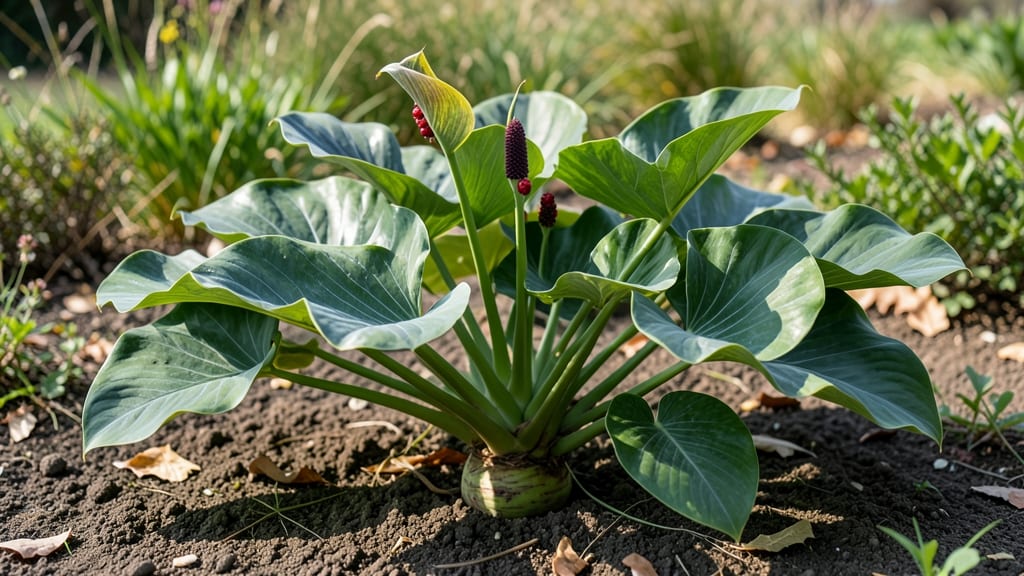
Growing arum cornutum feels like adding a touch of ancient drama to your garden. 🌿 This cold-hardy perennial thrives in shady spots where most plants struggle, delivering bold, velvety foliage and striking red-and-white blooms that emerge in early spring.
I’ve grown mine in partial shade for years, and it’s become the star of my woodland garden—low-maintenance yet impossibly striking. The secret lies in mimicking its native habitat: moist, well-draining soil and dappled sunlight.
Unlike fussy perennials, arum cornutum tolerates neglect—just keep the roots cool and the soil consistently damp (but not soggy). It spreads slowly, making it perfect for borders or woodland gardens where you want drama without the upkeep.
By late summer, you’ll be rewarded with glossy, heart-shaped leaves that stay lush all season, plus occasional spikes of unusual flowers that catch every passerby’s eye. The foliage alone makes it worth growing, but those unexpected blooms? Pure magic.
Just a heads-up: this plant is toxic if ingested, so keep it away from pets and kids. With the right spot, though, it’s a foolproof way to add year-round interest to shady corners.
📚 In This Guide
- What you need
- Instructions
- Tips and common mistakes
- Wrapping up and next steps
What you need
- ● Arum cornutum plant: 1 mature plant (available at nurseries or online plant shops). Choose a healthy specimen with vibrant, velvety foliage.
- ● High-quality potting mix: 1 bag (1 cubic foot) of well-draining, peat-based or coconut coir mix. For outdoor planting, amend garden soil with compost for better aeration.
- ○ Container (optional but recommended for indoor/container gardening): 1 pot, 12–16 inches in diameter, with drainage holes.
- ● Pro tip: 💡 Use terracotta or ceramic pots—they help regulate moisture!
- ● Garden trowel or small shovel: 1, for transplanting.
- ● Pruning shears: 1 pair, for trimming dead leaves or stems.
- ● Gloves: 1 pair (nitrile or leather) to protect your hands from mild irritation (the plant contains calcium oxalate crystals).
- ● Watering can or hose with a gentle spray nozzle: 1, for hydration without disturbing the soil.
- ○ Mulch (optional but helpful): 1–2 inches of organic mulch (e.g., shredded bark or straw) to retain moisture and suppress weeds.
- ● Pro tip: ✨ Keep mulch 2–3 inches away from the plant’s stem to prevent rot!
- ○ Fertilizer (optional): Balanced, slow-release granular fertilizer (e.g., 10-10-10) or liquid fertilizer diluted to half-strength.
- ● Pro tip: 🌡️ Fertilize lightly in spring—arum cornutum prefers nutrient-poor soil!
Step-by-step guide to planting and caring for Arum cornutum
This striking cold-hardy perennial thrives with minimal fuss—just follow these simple steps.
🌱 Step 1: Choose the Perfect Planting Location
Arum cornutum loves shade but tolerates partial sun, making it perfect for woodland gardens or shaded borders. Pick a spot with dappled light or full shade—direct afternoon sun can scorch its velvety leaves. The soil should drain well, but it also handles moisture, so avoid soggy areas.
I always test the soil by squeezing a handful—if it crumbles easily, it's ideal. Amend heavy clay with 2-3 inches of compost to improve drainage. This plant spreads slowly, so give it 2-3 feet of space between plants to prevent overcrowding.
🪴 Step 2: Plant at the Right Depth and Time
Spring or early fall are the best times to plant Arum cornutum. Dig a hole twice as wide as the root ball but only as deep—place the plant so the top of the root ball sits 1 inch below soil level. Press the soil firmly around the roots to eliminate air pockets.
Water deeply right after planting to settle the soil. The first few weeks are critical—keep the soil consistently moist but not soggy. You’ll know it’s thriving when new leaves emerge within 4-6 weeks.
☀️ Step 3: Provide Consistent Moisture and Mulch
This plant loves moisture but hates standing water. Water 1-2 times per week during dry spells, aiming for 1 inch of water per week. Check the soil with your finger—if the top 1-2 inches feel dry, it’s time to water.
Spread a 2-inch layer of mulch around the base (but not touching the stem) to retain moisture and suppress weeds. Organic mulch like shredded bark works best. In winter, the mulch also protects the crown from freezing temperatures.
✂️ Step 4: Prune and Divide as Needed
Deadhead spent foliage in early spring to encourage fresh growth. If the plant becomes overcrowded after 3-4 years, divide it in early spring. Dig up the clump, separate the rhizomes with a clean knife, and replant the healthiest sections.
Arum cornutum is low-maintenance, but you’ll want to remove any yellowed or damaged leaves promptly. The dramatic blooms appear in late winter or early spring—leave them be unless they look unsightly, as they provide visual interest even when wilted.
⏰ Step 5: Protect in Harsh Winters
While cold-hardy, young plants or harsh winters may need extra care. In zones with below 0°F winters, add an extra 2-3 inches of mulch in late fall. In extremely cold climates, a light cover of burlap can shield the crown from freezing.
Spring is the real test—remove winter protection as soon as the ground thaws. Watch for new shoots emerging in early spring; they’re your sign that the plant survived and is ready to thrive again.
Tips & tricks for perfect Arum cornutum plant care
Here's what nobody tells you about making this striking perennial thrive—these are the secrets that'll give you velvety foliage and those dramatic blooms.
Soil Test Tip: Before planting, do this quick soil check: squeeze a handful of your garden soil. If it crumbles easily when dry, you're good to go. If it stays in a hard clump, mix in that 2-3 inches of compost we mentioned—this improves drainage while keeping moisture where the roots need it. I've seen plants struggle in heavy clay because they couldn't establish properly.
Planting Depth Secret: That 1 inch below soil level guideline is crucial—any deeper and you'll smother the plant's growth, any shallower and it'll dry out. Press the soil firmly around the roots to eliminate air pockets, then give it that deep watering. The first 4-6 weeks are make-or-break—consistent moisture is more important than frequency here. Think "damp sponge" not "swamp."
Mulch Layer Strategy: That 2-inch layer of mulch isn't just about looks—it's a moisture blanket and weed barrier. Apply it right after planting and again in late fall for winter protection. The key is keeping it 2 inches thick but never touching the stem. Too thick and you'll suffocate the plant; too thin and you won't get the benefits. I like shredded bark because it breaks down slowly and adds organic matter.
Winter Protection Insight: For those below 0°F winters, don't wait until the last minute to add that extra mulch. Spread it in late fall before the ground freezes—this creates an insulating layer that protects the crown. In extreme zones, that burlap cover can make all the difference between a thriving plant and one that struggles to recover. Remove it as soon as the ground thaws in spring to prevent overheating.
Pro Tips for Arum Cornutum Plant
- Here's what nobody tells you about making this striking perennial thrive—these are the secrets that'll give you velvety foliage and those dramatic blooms.
- Soil Test Tip: Before planting, do this quick soil check: squeeze a handful of your garden soil.
- Planting Depth Secret: That 1 inch below soil level guideline is crucial—any deeper and you'll smother the plant's growth, any shallower and it'll dry out.
Frequently asked questions
Got questions about growing and caring for Arum cornutum? You’re not alone! Here are some of the most common queries—and their answers—to help you cultivate this stunning perennial with confidence.
Is Arum cornutum easy to grow for beginners?
Arum cornutum is a fantastic choice for beginners thanks to its cold-hardy nature and low-maintenance needs. It thrives in partial shade and tolerates a range of soil types, though well-draining soil prevents root rot. Just keep it consistently moist (but not soggy) and watch it reward you with velvety foliage and striking blooms!
How cold-hardy is this plant, and can it survive winter?
This plant is a winter warrior! Arum cornutum handles USDA zones 5–9, making it ideal for colder climates. In mild winters, it may stay evergreen, while harsh freezes might cause foliage to die back—but the rhizomes (underground stems) survive and regrow in spring. A light mulch adds extra protection.
When is the best time to plant or divide Arum cornutum?
Spring or early fall are the sweet spots for planting or dividing this perennial. Avoid extreme heat or frost, as these can stress the plant. Divide clumps every 3–4 years in spring to control spread and rejuvenate growth. Just ensure each division has at least one healthy rhizome!
Are the flowers edible, and should I worry about toxicity?
While Arum cornutum flowers are visually striking, they’re highly toxic if ingested—both the plant and its berries contain calcium oxalate crystals. Keep it away from pets and kids! However, its ornamental value makes it a prized addition to shaded gardens, where its drama shines without risk.
What can I do if my Arum cornutum isn’t blooming?
Don’t fret! This plant often prioritizes foliage over flowers, especially in its first few years. Ensure it gets enough shade (4–6 hours of dappled light) and rich, moist soil. Over-fertilizing can reduce blooms, so use a balanced fertilizer sparingly in early spring. Patience pays off—mature plants (3+ years) often burst into dramatic blooms!
Wrapping up and next steps
The Arum cornutum is a stunning, low-maintenance perennial that brings bold foliage and exotic blooms to your garden—even in colder climates! 🌿 With its velvety leaves and striking flowers, it’s perfect for adding drama while requiring minimal effort.
Whether you’re a seasoned gardener or just starting, this plant is a fantastic choice for year-round interest.
Ready to transform your outdoor space? Start by selecting the right spot—partial shade and well-draining soil are key—and plant your Arum cornutum this season. Watch it thrive and become the showstopper of your garden! 🌟